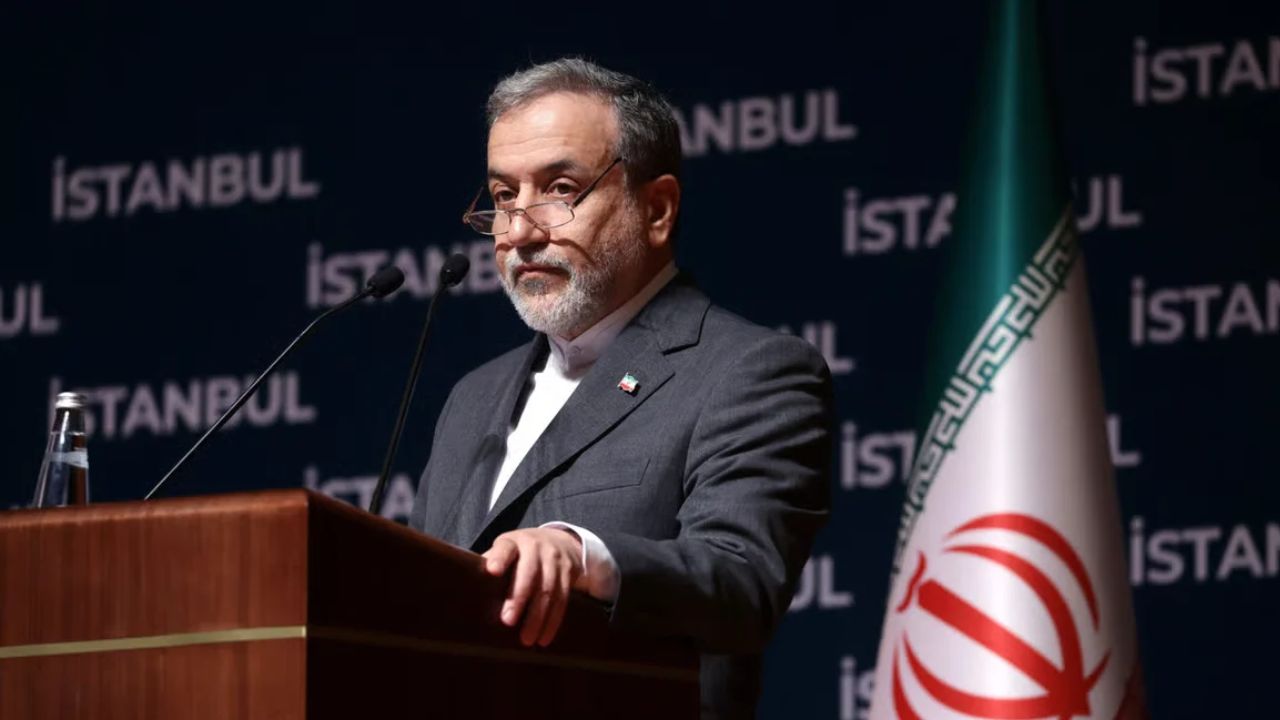
Tehran: Tensions between the United States and Iran have sharply escalated after US President Donald Trump claimed that Washington carried out a fresh wave of “large and powerful” strikes against Iranian targets near the Strait of Hormuz.
Trump said the military action was in retaliation for Iran's alleged attempt to place sea mines in the strategic waterway and its reported missile attack targeting a US military base in Jordan.
The US president warned that any Iranian retaliation would be met with an even stronger response.
Iran Issues Strong Warning to Washington
Following the US strikes, Iran's Supreme National Security Council secretary Mohsen Rezaei issued a warning, saying Tehran was preparing a “new strategy” to counter Washington.
With these hands and feet, not only will you not come out of the hellish trap that you have created for yourself, but you will soon see Iran's new strategy on the battlefield, diplomacy and economic blockade to combat it, which will defeat the establishment.
— محسن ردایی (@ir_rezaee) September 2, 2026
Rezaei said Iran's approach would focus on the battlefield, diplomacy and confronting economic pressure. He claimed that the new strategy would challenge US plans in the region.
Tehran Claims Retaliation Attacks on US Bases
Iran said it responded by targeting American military positions in Jordan, the United Arab Emirates (UAE), Kuwait, Bahrain and Erbil in Iraq's Kurdistan region.
Tehran described the strikes as an exercise of its “inherent right to self-defense” and urged regional countries not to allow their territories to be used for US military operations against Iran.
Global Concern Over Strait of Hormuz Tensions
The latest confrontation has raised fears of a wider conflict in the Middle East. The Strait of Hormuz is one of the world's most important energy routes, and any disruption could impact global oil supplies and international markets.