
With stricter emission norms, car manufacturers have started making changes to their engines. In the last five years, we have seen a rise in the number of brands offering turbo-petrol engines. These engines are often offered as an option for customers looking for performance. Turbo-petrol engines deliver the power of a larger engine while keeping fuel consumption, physical size, and emissions low. Here we have a list of 10 such turbo-petrol cars that are launching in India soon.
Skoda has unveiled the updated Slavia, and the price announcement is expected to happen in the coming weeks. The Slavia is a popular mid-size sedan in its segment. The sedan comes with several cosmetic changes, including a revised front grille, LED DRLs, tweaked headlamps, a revised bumper, new alloy wheels, and updated tail lamps.
The sedan also comes with a host of new features, such as a rear-seat massager, an updated touchscreen infotainment system, a large 10.24-inch driver display, automatic climate control, an electric sunroof, seat ventilation, and more. The sedan continues to use the same 1.0-litre TSI and 1.5-litre TSI engine options. The 1.0-litre engine gets a 6-speed manual and a new 8-speed automatic transmission, while the 1.5-litre TSI gets a 7-speed DSG only.
After the Skoda Slavia, Volkswagen will also launch the Virtus facelift in the market. The Virtus facelift is expected to be launched in October. The sedan will also receive a bunch of cosmetic changes and feature additions similar to the Slavia. The front fascia will be revised, and we expect it to come with a connected LED bar and an illuminated VW logo.
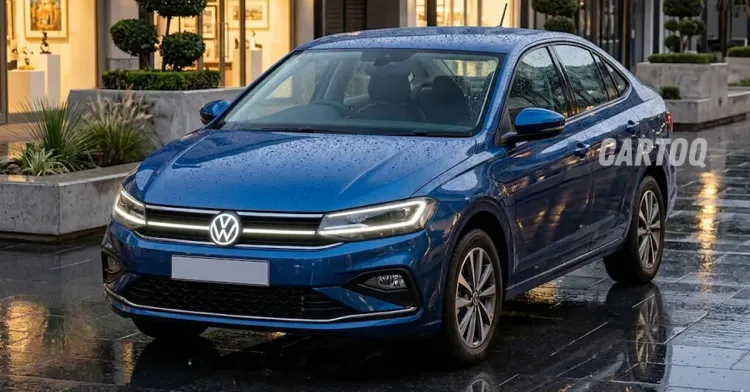
The sedan will offer the same set of features as the Slavia, except for the rear-seat massager function. The sedan will also get the 1.0-litre turbo-petrol engine with the new 8-speed automatic transmission and a manual option, while the 1.5-litre TSI engine will continue to be paired with a 7-speed DSG in the GT variant.
Maruti Suzuki’s Fronx is also expected to receive a facelift this year. The updated model has already been spotted testing on multiple occasions and is likely to get several cosmetic changes, including red accents on the turbo-petrol variant.
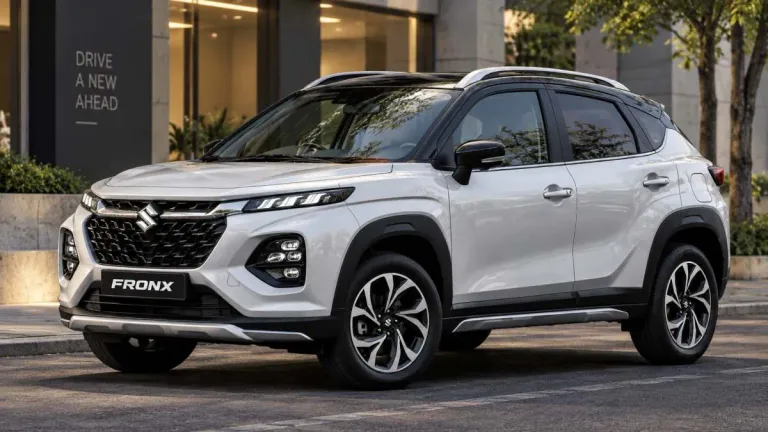
The Fronx could also receive some of the features from the Baleno facelift. These could include ventilated seats and Level 2 ADAS, along with a larger touchscreen infotainment system and a revised MID.
The Fronx comes with a 1.0-litre turbo-petrol engine that generates 100 PS and 147 Nm of torque. This engine is available with manual and automatic transmission options.
The Taisor is Toyota’s version of the Fronx, and after Maruti launches the Fronx facelift, the Toyota Taisor will also receive a facelift. The sub-four-metre SUV or crossover will receive cosmetic changes and feature updates as part of the facelift.
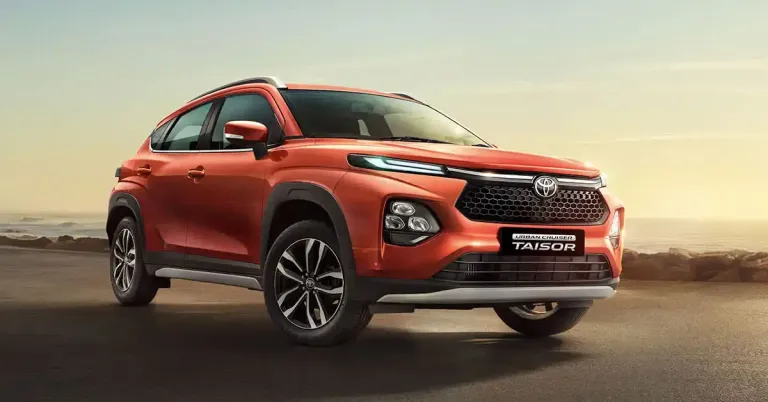
We expect to see a revised front fascia along with other minor changes. Just like the Baleno, Maruti is likely to replace the current four-cylinder engine with the Z12E 1.2-litre, three-cylinder engine. The turbo-petrol engine will also be the same as the one in the Fronx, with manual and automatic transmission options.
Mahindra’s upcoming sub-four-metre SUV, the Vision S, is based on the new NU-IQ platform and is currently undergoing testing in different parts of the country. It is expected to be a rugged, boxy-looking SUV with a host of premium features that buyers in this segment look for. The production version is expected to retain several design elements from the concept and could be launched next year.
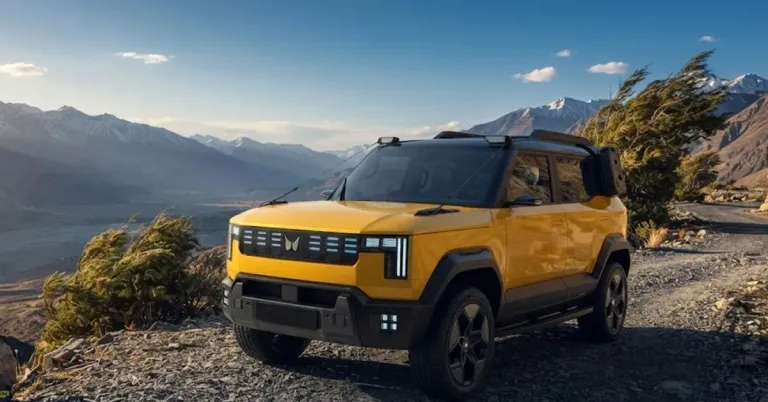
The Vision S is expected to offer a decent number of features, such as a panoramic sunroof, Level 2 ADAS, leatherette upholstery, a large touchscreen infotainment system, a 360-degree camera, and more. It will mark the next phase of Mahindra SUVs in the Indian market and is expected to be launched around August 2027.
The Vision S is expected to be offered with a 1.2-litre turbo-petrol engine, which could be the same unit used in the XUV 3XO, along with manual and automatic transmission options. Apart from the turbo-petrol engine, Mahindra is also expected to offer a diesel engine option.
Mahindra will be launching the Thar facelift this year. Compared to the previous update, Mahindra is expected to offer more changes. From the images that have surfaced online, it looks like Mahindra will be offering a revised front grille, Roxx-like projector headlamps with integrated LED DRLs, new or revised tail lamps, and new alloy wheels.
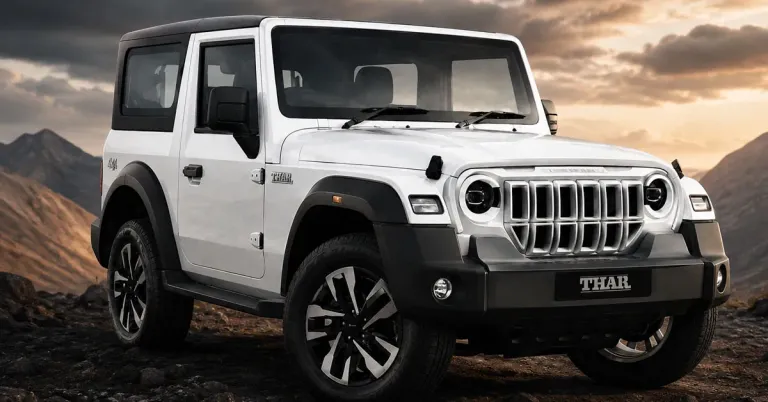
On the inside, Mahindra is expected to offer a digital driver display, ventilated front seats, automatic climate control, and ADAS. The SUV will be offered with a 2.0-litre mStallion turbo-petrol engine with manual and automatic transmission options. Mahindra will continue to offer 4×4 on select variants.

After the Ameo, Volkswagen will be entering the sub-four-metre segment with an SUV. The upcoming sub-four-metre vehicle will be an SUV based on the same platform as the Kylaq. It is expected to get a distinct exterior design while sharing several features and mechanical components with its Skoda sibling.
The SUV is likely to use the same 1.0-litre TSI engine, paired with a 6-speed manual and an 8-speed automatic transmission.
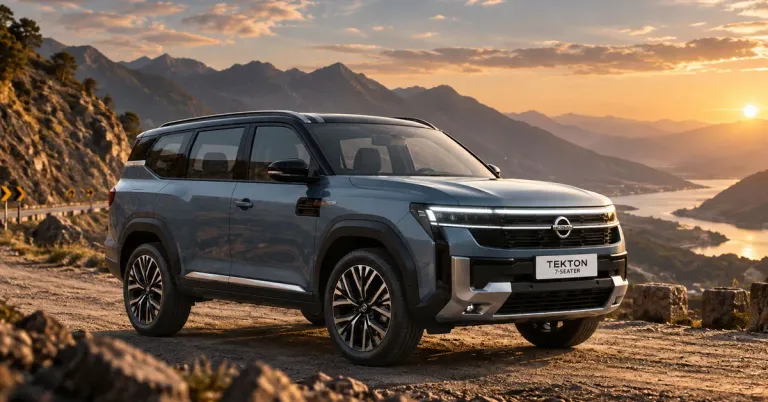
Nissan has confirmed that it will be bringing a larger, 7-seater version of the Tekton to the market by the first quarter of 2027. The SUV might get a different exterior design, while the cabin and features are expected to remain the same. It will be offered with a 1.3-litre turbo-petrol engine that generates 163 PS and 280 Nm of peak torque. This engine will be offered with manual and DCT gearbox options.
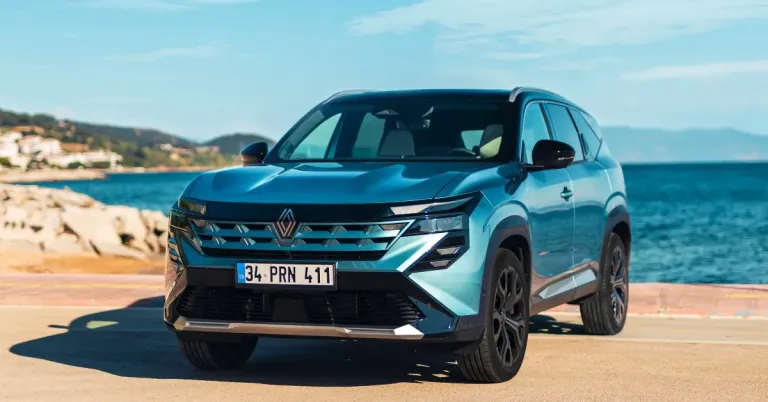
Renault will be launching the Duster 7-seater, also known as the Boreal, in the market before Nissan. The SUV has been spotted testing and is expected to arrive soon. The Boreal will be based on the same platform as the Duster but will be slightly longer and offer three-row seating.
The SUV will be powered by a 1.3-litre turbo-petrol engine with manual and DCT gearbox options.
Renault’s entry-level MPV, the Triber, will soon get a turbo-petrol engine. This is a much-awaited update that customers have been demanding for a while now. We have already spotted the MPV on our roads, and the launch is expected to happen in September. As part of this update, the Triber will move to the RGEP architecture, which is a more localised and modern version of the current CMF-A+ platform.
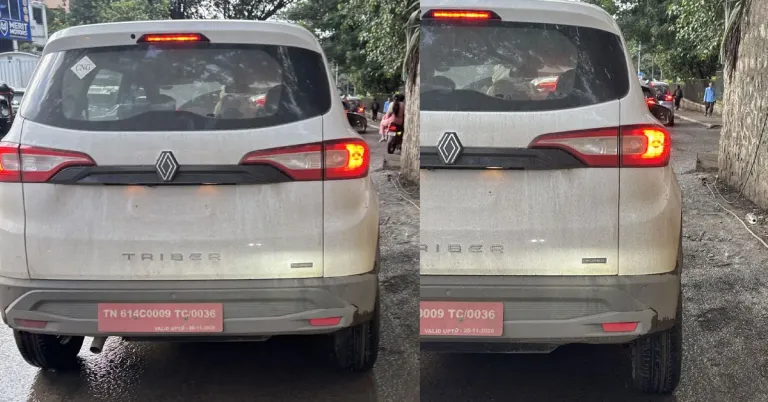
The MPV is expected to get minor cosmetic changes, while the engine will be a 1.0-litre, three-cylinder unit that generates 100 PS and 160 Nm of torque. It remains to be seen whether Renault will offer a CVT option or launch it with a manual transmission only. The Triber Turbo will also come with an underbody CNG tank and will be Renault’s first product to get a factory-fitted CNG kit.