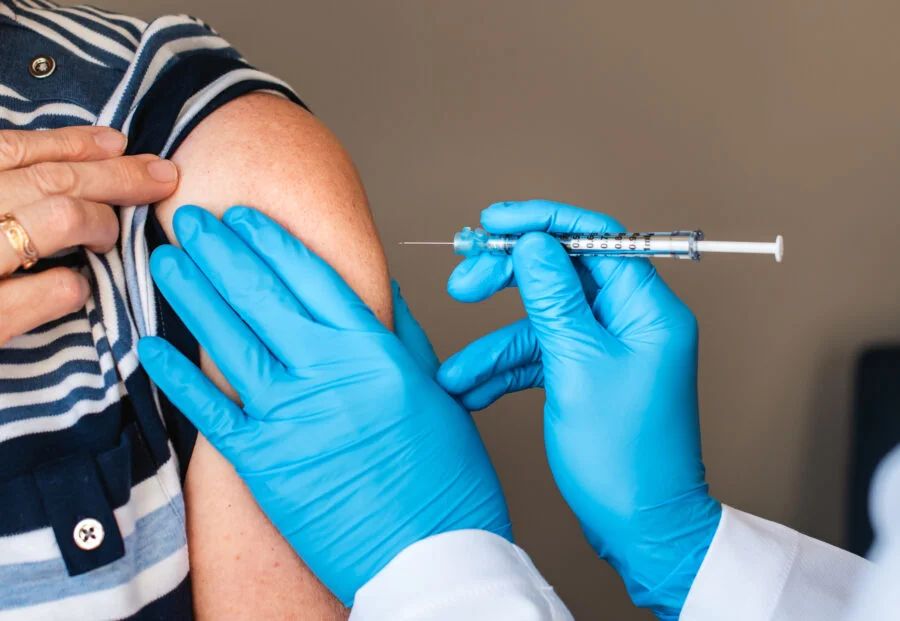
Thousands of people in India suffer from dengue every year. Dengue fever is considered the most dangerous disease during the monsoon season. But now, India has taken a step forward in the fight against dengue with the first dengue-preventive vaccine, Qdenga. Now that a vaccine is available to prevent dengue, it offers a new ray of hope in the fight against this disease.
Qdenga is designed to provide protection against all four strains of the dengue virus. This is important because recovering from one strain of dengue does not provide complete protection against the other three, meaning a person could contract dengue more than once. The vaccine is given in two doses, usually three months apart. Dr. Jain says that to be protected, it is important to receive both doses on time.
Does the vaccine provide complete protection against dengue?
Dr. Jain explained that the vaccine does not provide 100% protection against dengue. A person can still become infected after vaccination, although the risk of developing severe dengue may be reduced. This means that even after vaccination, it’s important to take precautions against dengue.
What measures should be taken to prevent dengue?
Prevent water from accumulating in coolers, pots, tires, and containers.
Use mosquito repellents.
Wear full-sleeved clothing.
Insert screens on doors and windows to prevent mosquitoes from entering the home.
Can the vaccine cure dengue?
This vaccine is only for the prevention of dengue and cannot cure a person suffering from dengue. If you experience symptoms such as high fever, severe body aches, vomiting, abdominal pain, bleeding, unusual weakness, difficulty breathing, or excessive sleepiness, consult a doctor immediately. Do not ignore these symptoms even after vaccination.
Should everyone get vaccinated against dengue?
Dr. Jain explains that the government and health officials will decide which age groups and areas should be prioritized for vaccination based on the increasing number of dengue cases, local transmission, vaccine availability, and safety considerations. Instead of getting vaccinated on their own, people should consult a doctor to understand whether the vaccine is suitable for them.
Who should not get the dengue vaccine?
Because Qudenga is a live vaccine, it may not be suitable for everyone. These people should not get the vaccine without consulting a doctor.
Pregnant women
Breastfeeding mothers
People with weakened immune systems
People taking immune-suppressing treatments
People with a history of severe allergic reactions to vaccines
Vaccination is only one part of dengue prevention.
Dr. Jain says that while the approval of India’s first dengue vaccine is a good step, it does not provide complete protection. Avoiding mosquitoes is the most effective and efficient way to prevent dengue.