
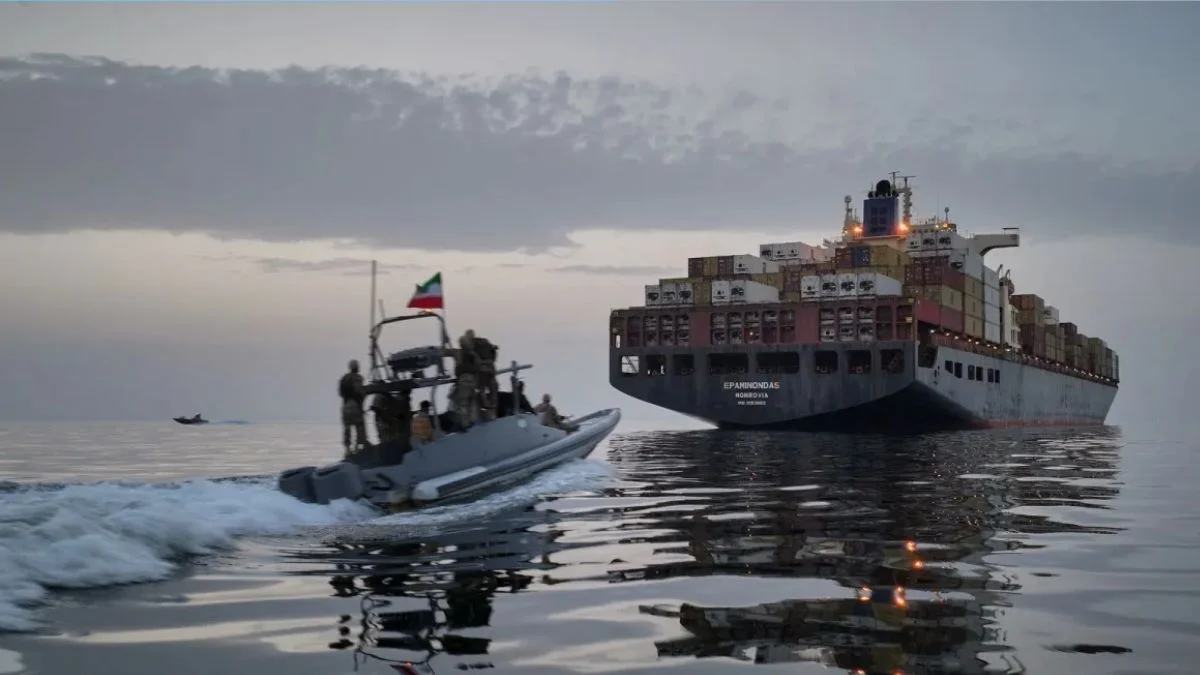

A total of 115 ships carrying around 2,500 seafarers have been evacuated from the Strait of Hormuz since the start of the United Nations-led maritime evacuation operation, as security concerns continue to affect one of the world’s most critical shipping corridors.
The update was provided by International Maritime Organization (IMO) Secretary-General Arsenio Dominguezwho said the evacuation operation has enabled dozens of stranded commercial vessels to transit the strategic waterway despite the challenging security environment.
The evacuation initiative was launched after months of heightened tensions disrupted maritime traffic in the Strait of Hormuz, leaving hundreds of vessels waiting for safe passage. The operation is being coordinated by the IMO in cooperation with regional authorities and international maritime partners.
UN-Led Operation Continues
According to the IMO, approximately 115 vessels have successfully completed evacuation through designated maritime routes, allowing nearly 2,500 crew members to leave the high-risk area safely.
The evacuation is being carried out in phases, with ships assigned transit windows to reduce congestion and improve navigational safety. The operation aims to move stranded commercial vessels while minimizing the risk of incidents in the strategically important waterway. Officials stressed that the process remains voluntary and is being coordinated with relevant coastal states and maritime stakeholders.
Security Risks Remain High
Despite the progress, maritime security concerns continue to affect operations in and around the Strait of Hormuz. The evacuation effort has faced fresh challenges following recent security incidents involving commercial vessels in the Gulf region. The IMO has indicated that additional security guarantees will be required before expanding or resuming further evacuation phases.
Shipping companies continue to assess operational risks carefully, with many vessels still awaiting clearance before entering or leaving the Gulf.
Vital Global Trade Route
The Strait of Hormuz remains one of the world’s most important maritime chokepoints, handling a significant share of global crude oil and liquefied natural gas exports. Any disruption to navigation through the narrow waterway has immediate implications for global energy markets, freight costs and international supply chains. The IMO said it will continue working with governments, naval authorities and the maritime industry to facilitate safe passage for commercial vessels while monitoring developments in the region.
Officials have not announced a timeline for the next phase of the evacuation operation, saying future movements will depend on evolving security conditions and assurances provided to participating ships.

Comments are closed.