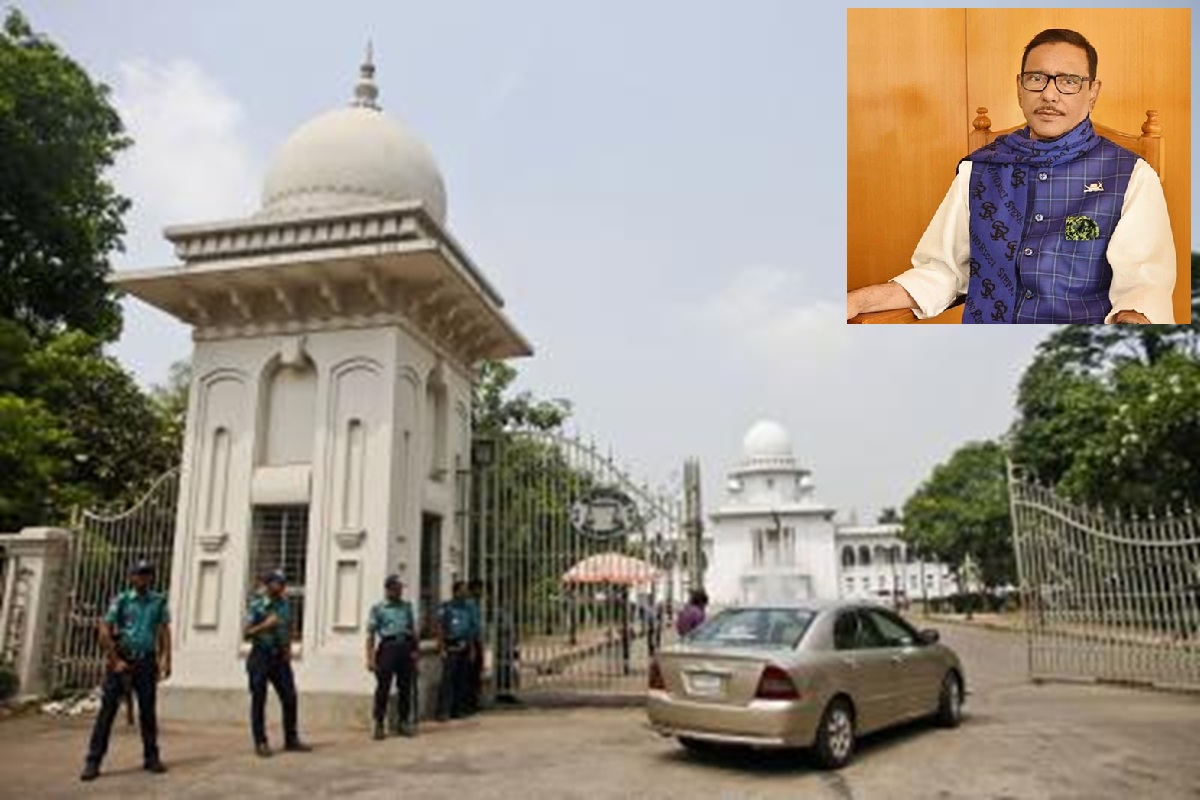
According to the report of Bangladesh's leading daily 'Dhaka Tribune', the leaders who have been sentenced to death include Bangladesh's Minister of State for Information and Broadcasting Mohammad Ali Arafat, Awami League joint general secretary AFM Bahauddin Naseem, Chhatra League president Saddam Hussein; Chhatra League General Secretary Sheikh Wali Asif Inan, Jubo League President Sheikh Fazle Shams Parash and Jubo League General Secretary Mainul Hussain Khan Nikhil. Chhatra League is the student organization of Awami League and Jubo League is its youth organization.
A three-member tribunal headed by Justice Nazrul Islam Chaudhary delivered the verdict on Tuesday. According to the report, all these seven leaders are absconding.
The prosecution alleged that law enforcement agencies and armed activists of the Awami League and its affiliated organizations carried out systematic attacks on students and civilians during the agitation.
The prosecution alleges that these seven leaders committed crimes against humanity under the International Crimes (Tribunal) Act, 1973. These charges include murder, attempt to murder, torture, other inhuman acts, incitement to commit crime, conspiracy, aiding and abetting in commission of crimes.
In July, leading US-based human rights organization Human Rights Watch (HRW) accused Bangladeshi authorities of not following international legal standards at the country's International Crimes Tribunal (ICT). The organization warned that such failures could risk denying justice to victims, undermining the rule of law and unjustly jailing political opponents.
The statement came as ICT prosecution filed a formal charge sheet against former Bangladesh Prime Minister Sheikh Hasina and 40 others in a case of crimes against humanity. This case is related to the action taken on the rally of Hefazat-e-Islam organized in Shapla Chattar, Dhaka in 2013.
HRW Deputy Asia Director Meenakshi Ganguly said, “Those responsible for the many wrongdoings committed during Sheikh Hasina’s government must be properly held accountable, but many trials are not following international standards of fair trials.
The tribunal was created in March 2010 by the previous Awami League government led by Hasina to try those accused of committing crimes under international law – such as crimes against humanity while supporting Pakistan's military during Bangladesh's 1971 independence war.
After the Awami League government was toppled by protesters in 2024, the Muhammad Yunus-led interim government amended the law related to the tribunal and changed the definition of crimes. However, HRW said that these amendments were insufficient to ensure due process and procedural standards for similar crimes in international courts.
The current Bangladesh Nationalist Party (BNP) government led by Prime Minister Tariq Rahman, who came to power in February 2026, has not made any changes to those amendments.
The rights group said the law governing the tribunal allowed prosecutors to seek arrests without solid evidence and detain people for months without providing written reasons, while also denying detainees the right to file an interim appeal to a different court.
“Trials can begin only three weeks after the prosecution presents evidence, leaving very little time for the defense to prepare. Trials are conducted in the absence of the accused without appropriate safeguards, including the right of the accused to choose his own lawyer. The tribunal also prevents defense lawyers from cross-examining witnesses,” it said.