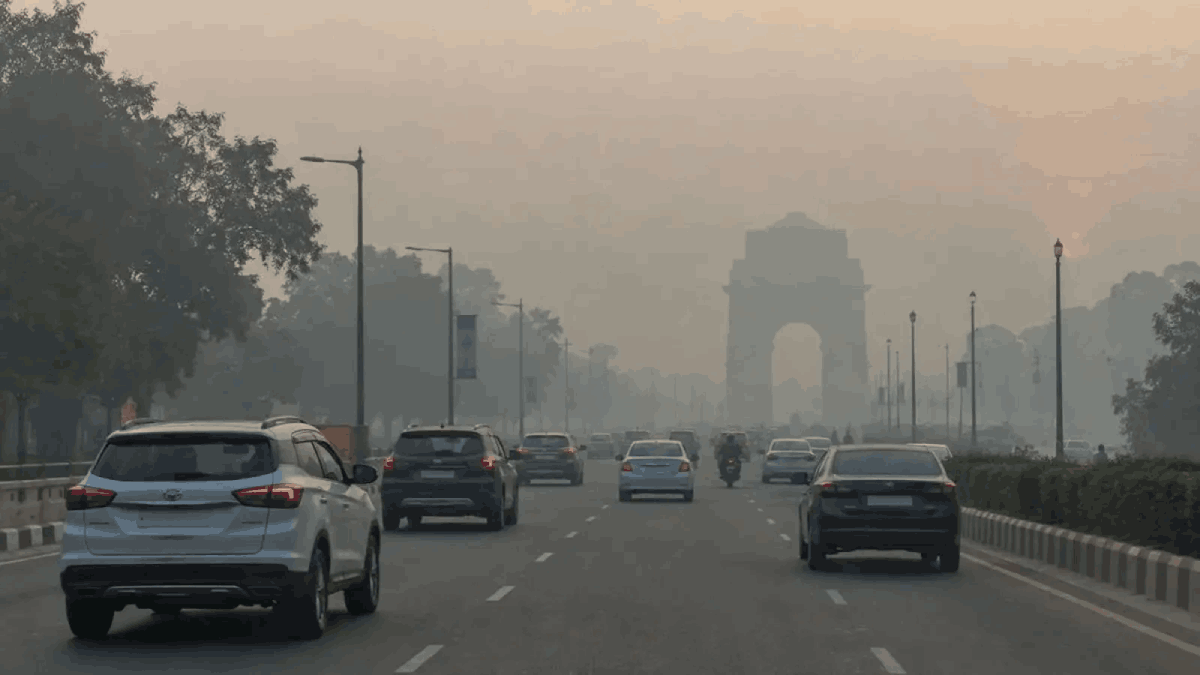
From November 1, entry of vehicles which are registered outside Delhi and do not comply with BS-VI emission standards will be banned in the national capital. This step has been taken to control the increasing pollution levels during the winter season. This ban will remain in force till January 31, 2027.
According to the transport department, there are more than 10 lakh vehicles in Delhi-NCR, including Noida, Greater Noida, Gurugram, Faridabad and Ghaziabad, which do not meet BS-VI standards. This proposed ban may impact travelers who regularly visit Delhi from neighboring cities for work, business and other reasons.
Nearly two lakh vehicles in Gurugram and Faridabad do not meet BS-VI standards, of which about 70 per cent are in the BS-III and BS-IV categories. These two Haryana districts also have around 50,000 commercial vehicles which do not comply with the prescribed emission standards. The number of non-compliant vehicles is even higher in nearby urban centers in Uttar Pradesh. Noida and Greater Noida together have more than four lakh vehicles that do not meet BS-VI standards. BS-IV vehicles account for more than half of the category, with petrol-powered cars accounting for a large share.
Ghaziabad also has around four lakh vehicles below BS-VI emission standards, highlighting the challenge for authorities to limit the movement of more polluting vehicles in the winter months. However, this restriction will not apply to all vehicles. CNG and electric vehicles are exempted, as are ambulances, fire tenders and vehicles engaged in some essential services. Vehicles registered outside Delhi that comply with BS-VI standards will be allowed to enter the national capital.
With these restrictions taking effect from November 1, authorities are set to strengthen enforcement at Delhi's entry points to prevent vehicles not meeting the required emission standards from entering the city. Authorities plan to use technical surveillance systems to identify potentially non-compliant vehicles at border checkpoints and other strategic locations. Artificial Intelligence-powered Automatic Number Plate Recognition (ANPR) cameras will scan vehicle registration plates, helping authorities verify vehicles and raise flags for enforcement action.
In addition to surveillance technology, authorities have strengthened arrangements to facilitate physical checks and enforcement at entry points.
Also read-
Violent demonstrations after train accident in Spain; Demand for resignation of Transport Minister