Harvey Mudd College led by charging $104,512, including tuition, fees, housing, food, books and transportation, according to a list by education services company The Princeton Review.
The private science and engineering college in Claremont, California, ranks 10th among national liberal arts colleges in the 2026 U.S. News & World Report rankings.
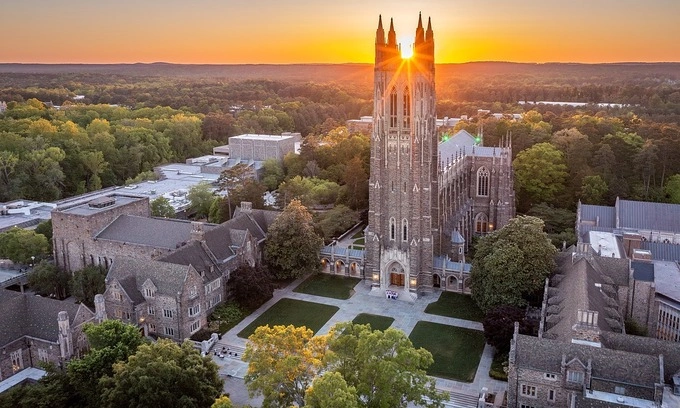
Duke University follows at $103,975 and the University of Chicago at $103,821.
Nine of the 16 schools are liberal arts colleges.
|
No. |
School |
Annual cost (USD) |
Avg. scholarship/grant (USD) |
US News 2026 rank |
|
1 |
Harvey Mudd College |
104,512 |
64,941 |
10 (LAC) |
|
2 |
Duke University |
103,975 |
70,439 |
7 |
|
3 |
University of Chicago |
103,821 |
78,651 |
6 |
|
4 |
University of Southern California |
103,162 |
50,322 |
28 |
|
5 |
Barnard College |
103,000 |
60,320 |
13 (LAC) |
|
6 |
Washington University in St. Louis |
102,260 |
75,880 |
20 |
|
7 |
Smith College |
102,226 |
73,031 |
13 (LAC) |
|
8 |
Fordham University |
102,188 |
41,919 |
97 |
|
9 |
Claremont McKenna College |
101,990 |
68,936 |
7 (LAC) |
|
10 |
Vassar College |
101,051 |
67,214 |
13 (LAC) |
|
11 |
Wesleyan University |
101,030 |
72,372 |
13 (LAC) |
|
12 |
New York University |
100,998 |
60,191 |
32 |
|
13 |
Georgetown University |
100,864 |
58,163 |
24 |
|
14 |
Bates College |
100,437 |
n/a |
n/a |
|
15 |
Colgate University |
100,224 |
72,605 |
22 (LAC) |
|
16 |
Haverford College |
100,026 |
70,718 |
24 (LAC) |
A year earlier only two schools charged six figures.
Besides the 16 this year, at least nine more are now close to the mark. Brown, Northwestern and Pepperdine each charge more than $99,000.
Robert Franek, editor in chief at The Princeton Review, told CNBC that paying for college “seems all the more daunting” now that sticker prices have crossed $100,000.
He said the schools charging the most tend to be the most generous with scholarships.
Jeff Selingo, a higher education journalist who edited The Chronicle of Higher Education and has covered college admissions for more than 25 years, told CNBC that prices show no sign of leveling off and that families are increasingly choosing cheaper state universities.
|
A view of Duke University. Photo courtesy of Duke University |
The average scholarship grant to first-year students with financial need at the 16 schools runs from about $42,000 to $79,000, The Princeton Review data showed.
Private colleges overall discounted tuition by an average of 57% for first-time, full-time undergraduates in 2025-26, CNBC reported, citing the National Association of College and University Business Officers.
American families cover only about half of college costs from income and savings, according to “How America Pays for College,” an annual study by education lender Sallie. Scholarships, grants and loans make up most of the remainder.
Harvard has been tuition-free for families earning $200,000 or less since 2025, Bloomberg reported, and covers the entire cost of attendance for those earning below $100,000.
MIT set the same threshold first, applying it from the 2025-26 academic year. Caltech covers tuition, room and board for families earning under $100,000 and full tuition for those under $200,000, Forbes reported.
Yale said on Jan. 27 that students entering in 2026-27 from families earning below $200,000 will receive scholarships meeting or exceeding tuition.
Families earning below $100,000 will pay nothing toward tuition, housing, meals, travel or health insurance, the university said.
Colgate, which charges $100,224, will cover full tuition for families earning $175,000 or less beginning in fall 2026, according to Forbes.