
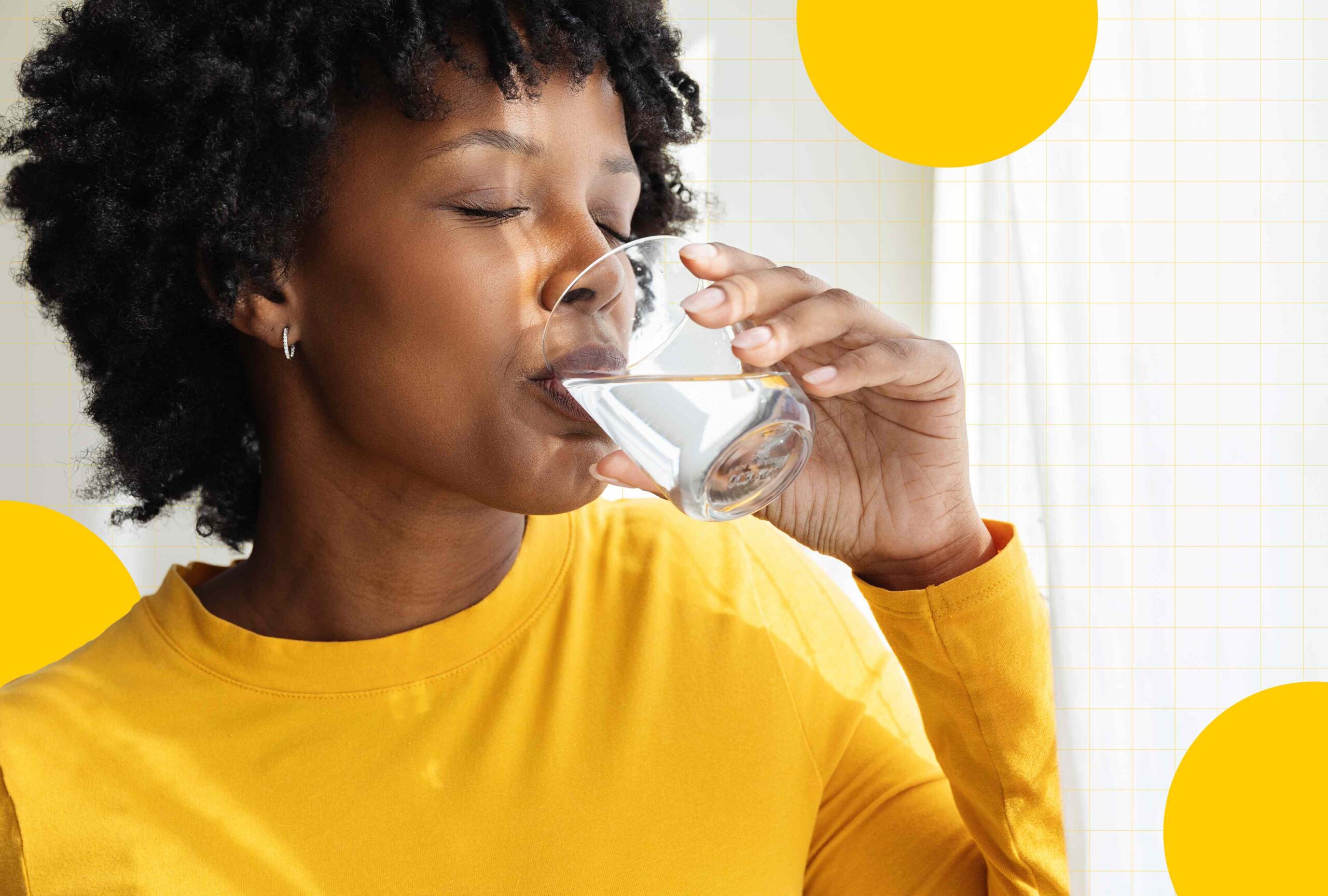

Swap a traditional nightcap for these bedtime beverages to promote sleep and aid weight loss.
Reviewed by Dietitian Lisa Valente, M.S., RD
Key Points
- What you drink in the evening can play a role in helping with weight loss.
- Some drinks promote sleep or contain protein and other nutrients to aid losing weight.
- In the evening, try to get to bed early, limit late-night snacking and cut down on alcohol.
It’s common to sip on something in the evening when winding down after a long day. But liquid calories can support or sabotage weight loss, depending on what you choose. “For example, some drinks can bring you over your calorie budget, keep you up at night or directly stall weight loss if they contain alcohol,” says Melissa Mitri, M.S., RD.
On the other hand, some beverages have nutrients that support your hormones and sleep. When your circadian rhythm, blood sugar and hormones are regulated, your body is better set up to burn fat instead of storing it. Keep reading to learn which drinks you should sip after dinner for weight loss, according to dietitians.
1. Kefir
Kefir is a fermented dairy drink that tastes like a tangy yogurt. It packs both protein and probiotics, which both support weight loss. One cup of kefir has 9 grams of protein. Protein promotes satiety and curbs late-night cravings, says Lauren Manaker, M.S., RDN, LD. Consuming protein before bed also helps stabilize blood sugar levels overnight, putting the body in fat-burning mode while fasting. Kefir contains both whey and casein, two types of protein that stimulate overnight muscle protein synthesis when consumed before bed. Additionally, kefir’s calcium and vitamin D content supports muscle repair and bone health, says Manaker.
Probiotics help maintain a healthy gut microbiome. “A balanced gut microbiome is increasingly linked to better weight regulation, as it can reduce inflammation and enhance insulin sensitivity,” says Manaker. One caveat with kefir is that it could contain added sugars, especially if it’s flavored. Always check the Nutrition Facts panel, but in general, unsweetened kefir is the best option for weight loss.
2. Water
Water may not be the drink you’re looking forward to at night, but we couldn’t skip over the benefits of drinking more water for weight loss. “While drinking water at night doesn’t directly boost metabolism, it can keep you full and reduce late-night snacking,” says Mitri. Start with having a glass of water before or with your dinner. “Multiple studies show a link between drinking water and reduced calorie intake, especially when drinking it before a meal,” says Mitri.
You can also use this trick if you’re craving a late-night snack. Drink a glass of water first; then have your protein-rich snack. If drinking plain water feels like a chore, try seltzer or an unsweetened, flavored water.
3. Decaf Green Tea
Not only is green tea calorie-free, it’s rich in epigallocatechin gallate (EGCG), a potent antioxidant shown to help burn body fat, says Mitri. That effect may be greater if you regularly exercise, according to a recent meta-analysis. The review found that adults with overweight or obesity who exercised and drank green tea lost slightly more weight than those who exercised but did not consume green tea.
Green tea may modestly boost daily calorie burn, too, although the effects are greatest in caffeinated green tea, not exactly the best choice before bed. “Opting for the decaffeinated version is ideal when drinking close to bedtime, especially if you’re sensitive to caffeine,” says Mitri. While caffeinated green tea has more catechins, decaf green tea still retains the majority of its catechin content, she explains.
4. Tart Cherry Juice
Tart cherry juice rose to fame thanks to the viral “sleepy girl mocktail.” Though it was a social media trend, there’s actually some science to back its sleep-promoting properties, which may aid weight loss. “Sleep is a critical factor in weight management, as poor sleep can disrupt hunger-regulating hormones like ghrelin and leptin, leading to increased appetite and cravings,” says Manaker. Tart cherry juice is a natural source of melatonin, a hormone that supports sleep quality, she says.
“Additionally, tart cherry juice contains polyphenols, including anthocyanins, which have antioxidant and anti-inflammatory properties,” adds Manaker.
Here’s the catch: A full glass of tart cherry juice has a decent amount of sugar, which is not ideal for weight loss. To get the benefits without sabotaging your weight loss, fill your glass mostly with water or sparkling water. Then add a few ounces of tart cherry juice for a healthy dose of melatonin and antioxidants without slowing weight loss.
5. Functional Beverages
Functional beverages are an emerging category of nonalcoholic drinks that contain health-promoting ingredients, such as probiotics, prebiotics, herbs, vitamins, minerals or other compounds. These could include prebiotic sodas, kombucha, teas, infused waters or plant-based milks. The claims are wide and not always regulated, from boosting energy to helping you feel calm. However, some contain ingredients that could support weight loss.
For example, prebiotic sodas contain fiber with little to no sugar. Swap that for a glass of wine, and you’ll naturally cut calories and likely improve your sleep too. Other ingredients, such as magnesium and adaptogens, like ashwagandha, are linked to reduced stress and better sleep, which could aid weight loss. One study found that ashwagandha root decreased stress, leading to weight loss and fewer food cravings. Often these drinks are flavored and bubbly, making them enjoyable in the evening, especially if you’re craving a cold drink but want to skip the booze. Just steer clear of drinks high in added sugar or caffeine.
Other Tips for Weight Loss
What you consume in the evening isn’t the only thing that can impact weight loss. Here are the other nighttime habits experts recommend.
- Go to bed earlier. “Staying up later is typically associated with consuming more calories at the end of the day, which can add up over time and make weight loss more difficult,” says Mitri. Try setting a “wind-down” alarm to remind yourself to get into rest mode sooner, she says, and aim for seven to nine hours of quality sleep.
- Put your phone away. Scrolling feels like a way to relax, but the opposite actually happens. Blue light from screens suppresses the release of melatonin. Not getting enough sleep and getting poor-quality sleep are both linked to obesity. “Poor sleep can increase hunger hormones the next day and reduce energy needed for exercise, which can make weight loss feel harder,” says Mitri.
- Nix late-night noshing. Late-night eating is linked to weight gain and less fat-burning overnight. Try to eat adequate calories during the day from balanced meals with protein, fiber and healthy fats. If you’re still hungry after dinner, choose a snack with protein and fiber to keep you full and prevent a blood sugar spike before bed.
- Limit alcohol intake. “Limiting alcohol intake as much as possible in the evening helps promote better sleep,” says Mitri. “While drinking a glass of wine may help you fall asleep, it typically results in more broken sleep and less time spent in REM sleep, the deeper rest-and-recovery sleep stage in the second half of the night. Alcohol can also trigger more hot flashes for women in perimenopause and menopause, further disrupting sleep when this may already be a challenge,” she says.
Our Expert Take
Sipping something after dinner doesn’t have to stall your weight loss. You can have a fun drink and lose weight too by limiting alcohol, caffeine and beverages with loads of sugar. Instead, opt for a beverage that delivers protein, antioxidants or sleep-promoting minerals and herbs that calm the body and reduce stress. And remember, it’s not just about the calories but also how late-night eating and drinking can disrupt your circadian rhythm and blood sugar, as well as the hormones that influence weight and metabolic health.

Comments are closed.