Think high-calorie foods are unhealthy? Think again.
Reviewed by Dietitian Jane Leverich, M.S., RDN
Key Points
- High-calorie foods can fit into a balanced diet for most people.
- Individuals who may benefit most from high-calorie foods include athletes or older adults with poor appetite.
- Dietitians share six high-calorie, nutrient-dense foods that deserve a spot on your plate.
High-calorie foods sometimes get a bad reputation, but calories alone don’t determine whether a food is healthy. “High-calorie foods can be part of a healthy, balanced eating pattern. The key is choosing nutrient-dense foods that provide vitamins, minerals, healthy fats, protein and fiber—not just empty calories,” says Lisa Young, Ph.D., RDN. Although anyone can benefit from incorporating high-calorie foods into their diet, some individuals may find adding these foods to their routine particularly beneficial. People with increased energy needs, including older adults with poor appetite, highly active individuals, or anyone trying to gain weight in a healthy way may benefit from incorporating more high-calorie foods into their diet, adds Young.
Still, portion size matters. “Portion awareness is important, because even healthy calorie-dense foods can contribute excess calories if eaten in large amounts,” says Young. When chosen thoughtfully, calorie-dense foods can add essential nutrients, flavor and satisfaction to meals and snacks. Dietitians agree that these high-calorie foods deserve a spot in your diet.
1. Nuts
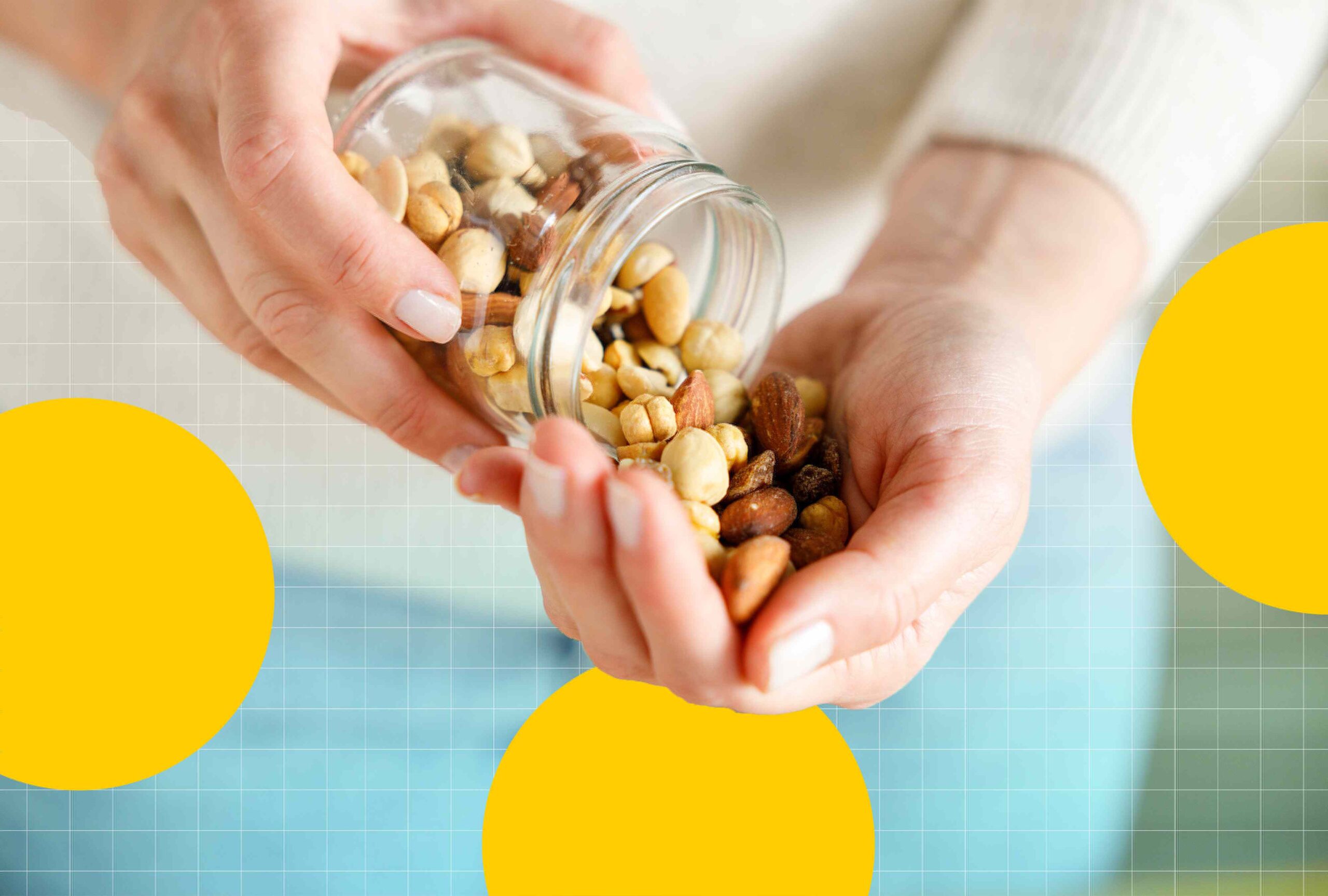
Nuts are often feared because of their high calorie content, but regularly eating a handful of nuts offers numerous health benefits. “Nuts provide heart-healthy unsaturated fats, plant protein and fiber, making them satisfying and nutrient-rich,” shares Young. Research suggests that the unsaturated fats, protein, fiber, minerals and polyphenols in nuts contribute to heart, metabolic and gastrointestinal health.
Furthermore, despite their energy density, nuts do not appear to lead to weight gain and may, in fact, support weight management. Research suggests that regularly eating nuts is associated with a lower incidence of overweight and obesity. Higher nut intake has also been associated with reductions in body weight and body fat.
Young loves almonds, pistachios and walnuts, but choose the nuts you enjoy and incorporate them into your diet by adding them to salads, oats, cereal or yogurt bowls.
2. Dark Chocolate
Dark chocolate can satisfy a sweet tooth while providing beneficial antioxidants that support health. “Dark chocolate is high in flavonoids, which are polyphenols with antioxidant and anti-inflammatory effects,” explains Lotta Andonian, M.S., RDN. Some of dark chocolate’s potential benefits include reducing blood pressure by helping to increase nitric oxide, she adds.
A 1-ounce serving of 70% to 85% dark chocolate provides 170 calories, plus 2 grams of protein and 12 grams of fat, so even a small portion goes a long way.
3. Avocado
Avocado may be higher in calories than other fruits, but that doesn’t make it a food to avoid. Many of those calories come from its unsaturated fat content, along with beneficial nutrients like fiber and potassium that support overall health. Research also suggests that avocado may offer cardiovascular benefits. Lisa Andrews, M.Ed., RD, LDnotes research suggesting that avocados may help lower LDL cholesterol in people with high cholesterol. Despite its calorie density, the research also found that regularly eating avocado did not negatively affect body weight.
A serving of avocado is one-fourth of the fruit and provides 80 calories and about 7.5 grams of fat. Snack on a few slices of plain avocado, add them to a bowl of cottage cheese, blend them into a smoothie or pair them with crackers for a more satisfying snack.
4. Full-Fat Greek Yogurt
Full-fat Greek yogurt may have more calories and saturated fat than its low-fat counterpart, but it also delivers plenty of nutrition. One 6-ounce container of whole-milk Greek yogurt contains 160 calories, 15 grams of protein and 7.5 grams of fat, along with calcium and other essential nutrients.
Rather than looking at saturated fat content in isolation—because we eat whole foods, not single nutrients—researchers are increasingly recognizing that the entire dairy matrix may influence how dairy fat is digested and metabolized. The dairy matrix includes all components of the food, such as protein, calcium, probiotics and compounds like phospholipids. Fermented dairy foods like yogurt may also affect the gut microbiome in ways that benefit metabolic health.
Research suggests that higher dairy intake, regardless of fat content, does not necessarily have negative effects on body weight, body composition, blood lipids or blood pressure. Andrews also points to research suggesting that full-fat yogurt may have benefits for some measures of metabolic health, though more research is needed to understand these effects.
Enjoy a cup of full-fat Greek yogurt with berries and nuts, blend it into smoothies or use it as a replacement for mayonnaise or sour cream in dips.
5. Dried Fruit
Dried fruit often gets a bad rap for its sugar content, but it can still fit into a balanced diet. “Dried fruit provides concentrated calories and natural sweetness, making it helpful for people with smaller appetites,” shares Young. Dried fruits are concentrated sources of fiber, polyphenols and minerals associated with heart and gut health.,
The important thing to remember is that a portion of dried fruit is less than its fresh or frozen counterpart because the water has been removed. A portion of dried fruit is about ¼ cup, says Young. Keep in mind that eating too much dried fruit in one sitting may cause gastrointestinal distress.
6. Hummus
“Traditionally made from chickpeas, tahini (ground sesame seeds), olive oil, lemon, garlic and spices, hummus is packed with healthy unsaturated fats, fiber, some protein and essential nutrients,” says Andonian. A 1-tablespoon portion of hummus delivers 35 calories, 1 gram of protein and about 2.5 grams of fat. Don’t let hummus’ high calorie content stop you from enjoying this food. Research suggests that nutrients in chickpea-based foods—like hummus—may help lower chronic inflammation, support digestive health and reduce the risk of heart disease, some cancers and type 2 diabetes, adds Andonian.
Andonian recommends pairing hummus with pita bread and raw vegetables for a satisfying snack.
Other Tips for Increasing Calories
If you’re trying to increase your calorie intake, you don’t necessarily need to eat bigger meals or overhaul your entire diet. A few simple additions and swaps can help you get more calories and nutrients throughout the day without adding a lot of extra volume.
- Top foods with nut butters. Andrews recommends replacing syrup or jelly with nut butters on pancakes or waffles. This convenient swap reduces added sugar, boosts calories and provides more nutrients.
- Drink caloric beverages. “For individuals trying to increase calories, replacing water with 100% fruit juice may add calories without the feeling of fullness,” says Andrews.
- Eat smaller meals more frequently. Andonian suggests eating smaller meals more frequently throughout the day to help increase caloric intake despite potentially reduced appetite.
- Use healthy fats as meal toppers. To help increase calories, Young recommends adding healthy fats to meals by drizzling olive oil on vegetables or grain bowls; blending smoothies with avocado, nut butters or seeds; and topping oatmeal, salads, soups and yogurt with nuts, seeds or avocado. You don’t have to rewrite your menu to up the calorie intake. Instead, focus on what you can add to your dishes.
- Focus on quality. “Nutrient-dense, high-calorie foods provide lasting energy and important nutrients that support overall health,” notes Young. Instead of simply adding any calories to your meals, prioritize high-quality, nutrient-dense foods.
Our Expert Take
Focusing just on calories neglects the bigger picture. Foods like nuts, avocado, full-fat Greek yogurt, dried fruit and hummus may be calorie-dense, but they also provide key nutrients like fiber, protein, healthy fats, vitamins and minerals. “Rather than fearing calorie-dense foods, think of them as an opportunity to nourish your body with foods that are both satisfying and rich in beneficial nutrients,” says Young. Portion size still matters, but there’s no need to avoid nutritious foods just because they have more calories. Instead, focus on the overall quality of your diet and choose high-calorie foods that help you meet your energy and nutrient needs.