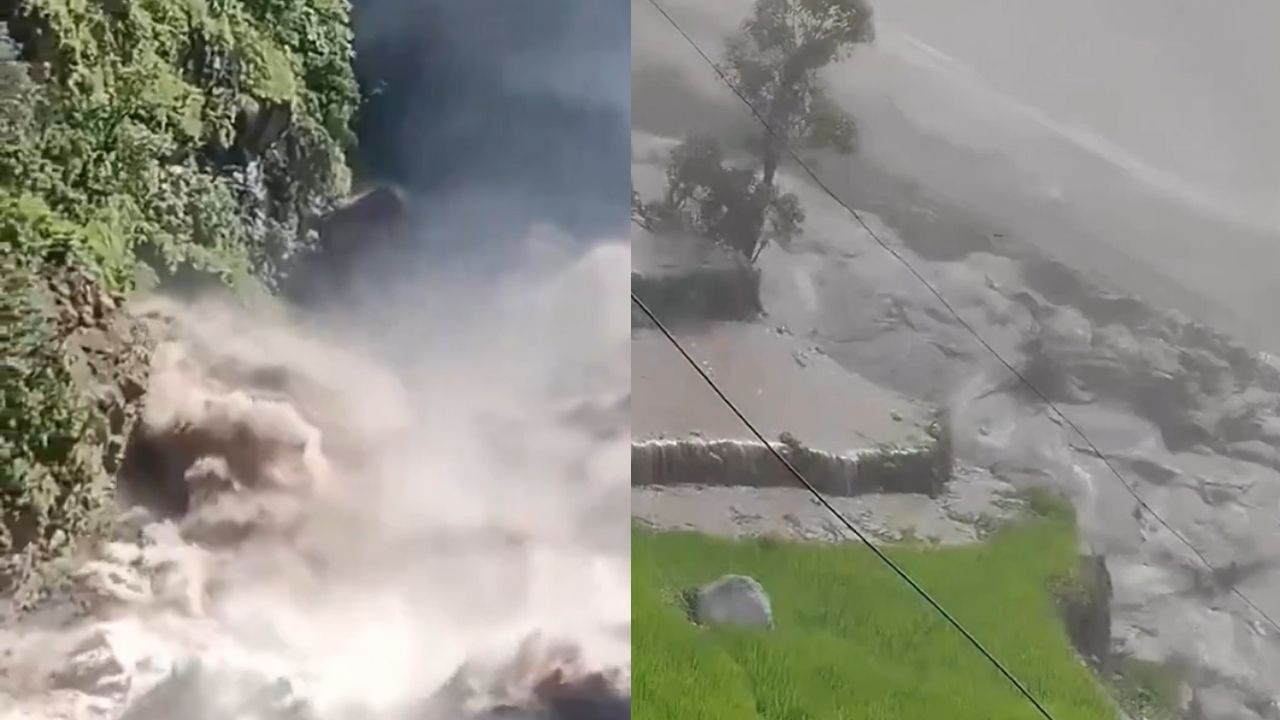
Kathmandu: In the mountains of Nepal, where rivers once carried life through quiet valleys, the same waters have now brought unimaginable destruction. A sudden and deadly flood wave triggered by a glacial collapse near the Nepal-Tibet border has turned villages into disaster zones, separated families and left an entire nation searching for answers.
At least 669 people have lost their lives, while more than 3,000 people remain missing, creating a heartbreaking wait for thousands of families who are hoping for news about their loved ones. As rescue teams move through damaged villages, muddy roads and unstable mountain terrain, Nepal is fighting a desperate battle against time, weather and the scale of the destruction.
A Himalayan Disaster That Changed Lives Within Hours
The disaster struck after an ice and rock avalanche following a glacial collapse sent a massive surge of water, mud, stones and debris through Himalayan river systems.
Within moments, the powerful flood currents swept away homes, bridges, roads and entire stretches of settlements located along riverbanks. Communities that depended on these rivers for their daily lives were suddenly left facing loss, displacement and uncertainty.
Several affected areas now resemble vast fields of mud and destruction, with rescue workers searching through debris while families wait anxiously for any sign of survivors.
Search For Missing People Becomes Nepal's Biggest Challenge
For many families, the disaster has not ended with the floodwaters. The biggest pain now is the waiting. Thousands of relatives are still hoping to hear that their missing family members have been found alive. Every rescue update brings a mix of fear and hope for those waiting across Nepal and neighboring countries.
Authorities have reported that more than 3,000 people remain missing, including foreign nationals who were present in affected areas. Rescue teams are working around the clock to locate stranded people, recover bodies and reconnect communities cut off from the outside world.
Rescue Teams Fight Against Rain, Landslides And Difficult Terrain
The rescue mission has become a race against nature itself. Continuous rainfall, landslides and damaged roads are slowing emergency operations in several regions. Helicopters, security forces and disaster response teams are being deployed to reach remote locations where survivors may still be trapped.
More than 11,000 security personnel, including over 5,000 Nepal Army personnel, have been mobilized for rescue and relief operations. The mission is not only about finding survivors but also providing food, medical support and shelter to people who have lost everything.
Hundreds Of Bodies Recovered Across Flood-Hit Districts
The scale of destruction has become clearer with every passing day as rescue teams recover more victims from affected regions. Bodies have been recovered from eight flood-hit districts, including Chitwan, Nawalparasi East, Nawalparasi West, Gorkha, Dhading, Nuwakot, Tanahu and Rasuwa.
Officials are continuing identification procedures as many victims were carried away by the force of the floodwaters. Each recovered body represents a family facing a painful goodbye, while thousands more continue waiting for information about missing relatives.
Nepal's Infrastructure Takes A Massive Hit
The tragedy is not only a human crisis but also an economic challenge for Nepal. The floods have damaged roads, bridges, communication networks and important infrastructure projects.
Several hydropower facilities have also been affected, raising concerns for a country where electricity generation and hydropower development play a major role in economic growth. Restoring connectivity and rebuilding damaged infrastructure will be among Nepal's biggest challenges in the months ahead.
Climate Risk Raises Fresh Concerns
The disaster has once again highlighted the growing vulnerability of Himalayan communities. Experts have repeatedly warned about the impact of changing weather patterns, rising temperatures and unstable glaciers in mountain regions.
For communities living near Himalayan rivers, extreme weather events are becoming a serious threat to lives, homes and livelihoods. The Nepal tragedy has renewed global attention on disaster preparedness and climate resilience in fragile mountain ecosystems.
A Long Road Ahead
The immediate focus remains on finding missing people, helping survivors and restoring basic services. But beyond the rescue efforts lies a much bigger challenge, of rebuilding homes, restoring livelihoods and helping communities recover from a disaster that has changed thousands of lives forever.
Nepal's flood tragedy is not just a story of destruction. It is also a story of courage, survival and the determination of people fighting to rebuild after nature's fury.