
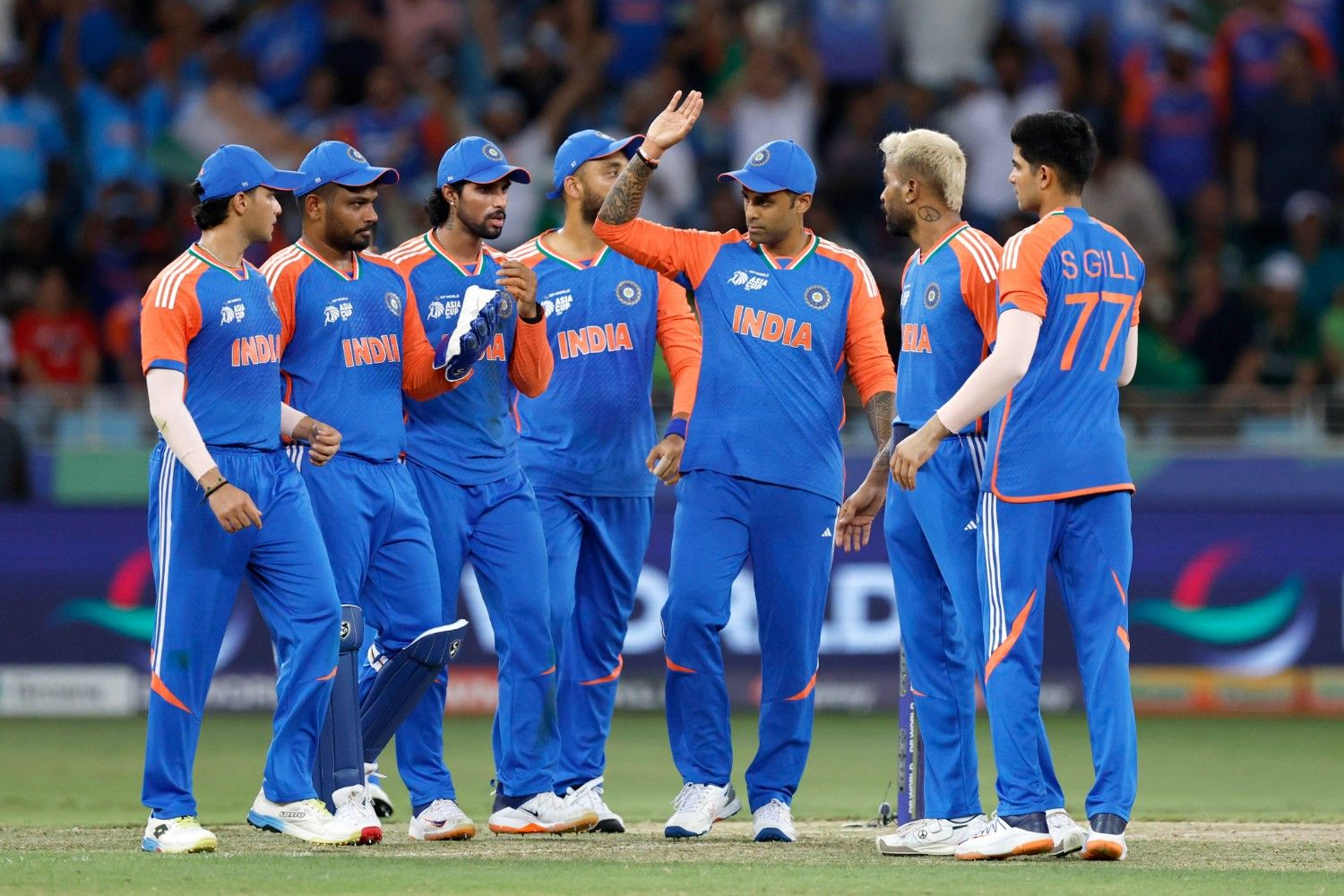

The Central Information Commission (CIC) on Monday (May 18) ruled that the Board of Control for Cricket in India (BCCI) is not a public authority and therefore falls outside the ambit of the Right to Information (RTI) Act.
The Commission held that the BCCI cannot be classified as a public authority as it is neither owned, controlled, nor substantially financed by the government.
Also read | BCCI awards 2026: Lifetime Achievement honours for Roger Binny, Rahul Dravid
Following the ruling, here is a look at the status of other major international cricket boards and whether they fall under transparency or information disclosure laws in their respective countries.
England and Wales Cricket Board (ECB)
The ECB is a private, non-profit body, and not legally obliged to disclose internal decisions, policies, and financial records to the public. However, some general information regarding players and their backgrounds can be obtained by submitting a Subject Access Request under the Data Protection Act.
Cricket Australia (CA)
The Australian cricket governing body is registered as a not for profit limited company, and does not come in the ambit of the nation’s Freedom of Information Act — federally or state-wise.
But a corporate transparency culture prevails within CA, and details such as its financial activities are filed with the Australian Securities and Investments Commission (ASIC).
Interested parties can request ASIC to provide those details by raising a request under the FOI Act.
Cricket South Africa (CSA)
Just like ECB and CA, the South African governing body too is a private and non-profit company and does not fall directly under the South African government’s transparency laws.
Instead, the public access to financial, administrative and other miscellaneous records are governed by the Promotion of Access to Information Act.
It’s a general act under which South African citizens can request records held by private bodies but the applicants should prove that their request is to exercise or protect any civil rights.
Cricket West Indies (CWI)
The CWI is an autonomous body independent of government’s direct control and does not come under the Islands’ right to information laws.
The West Indian board works under a Memorandum of Association, and is accountable to regional cricket boards such as Trinidad and Tobago, Jamaica, Leeward Islands, Antigua etc and the public in general.
The CWI often releases annual reports and financial statements which remain in the public domain, but is not legally answerable to a particular query from a private person.
Sri Lanka Cricket (SLC)
From 2024, the SLC is engaged in a legal tussle in the Court of Appeal to ascertain whether it falls under the country’s RTI Act, after the Right to Information Commission held that the governing body is obliged to be transparent.
The Commission held that the SLC is bound by the RTI Act, and that it is established under the relevant law and regulations allowing it to function as the apex regulator of cricket in the country with accountability to the Parliament.
The SLC maintains that it’s a private body with minimal use of public funds.
Pakistan Cricket Board (PCB)
The citizens cannot directly seek information under RTI Act from PCB as it is an autonomous body. The PCB maintains that it raises operational funds through media/broadcasting rights, corporate sponsorships, ticket sales, and additionally from the Pakistan Super League.
But PCB generally releases its financial statements and they are available in public domain and the activities of the board are monitored by the country’s federal government and the Ministry of Inter Provincial Coordination.
CIC overturns 2018 order
The question of whether cricket boards should fall under transparency laws has long been debated in India as well. Addressing the issue, the Central Information Commission (CIC) on Monday held that the BCCI is not a public authority under the Right to Information Act and therefore cannot be compelled to answer queries under the law. The ruling also overturned the Commission’s own 2018 order on the matter.
Also read | Beyond the IPL blitz, what non-cricket sport faces is appalling
Information Commissioner PR Ramesh said that the BCCI, despite performing important public functions relating to cricket administration and India’s representation in international tournaments, cannot be treated as a public authority as it is neither owned, controlled, nor substantially financed by the government.
“The BCCI cannot be classified as a ‘public authority’ within the meaning of Section 2(h) of the Right to Information (RTI) Act, and the provisions of the Act are therefore inapplicable to it in the facts and circumstances of the present case,” Ramesh said in the order, dismissing an appeal seeking information about the provisions and authority under which the BCCI represents India and selects players for national and international tournaments.
The ruling marked a reversal of a 2018 order of the then-information commissioner and a noted law professor, M Sridhar Acharyulu, who held BCCI to be a public authority and directed its president, secretary and committee of administrators to designate central public information officers, assistant public information officers and first appellate authorities under the RTI Act.
(With agency inputs)

Comments are closed.