
Marco Rubio’s India Visit Leaves Major Questions Over Future Of United States India Relations – Obnews

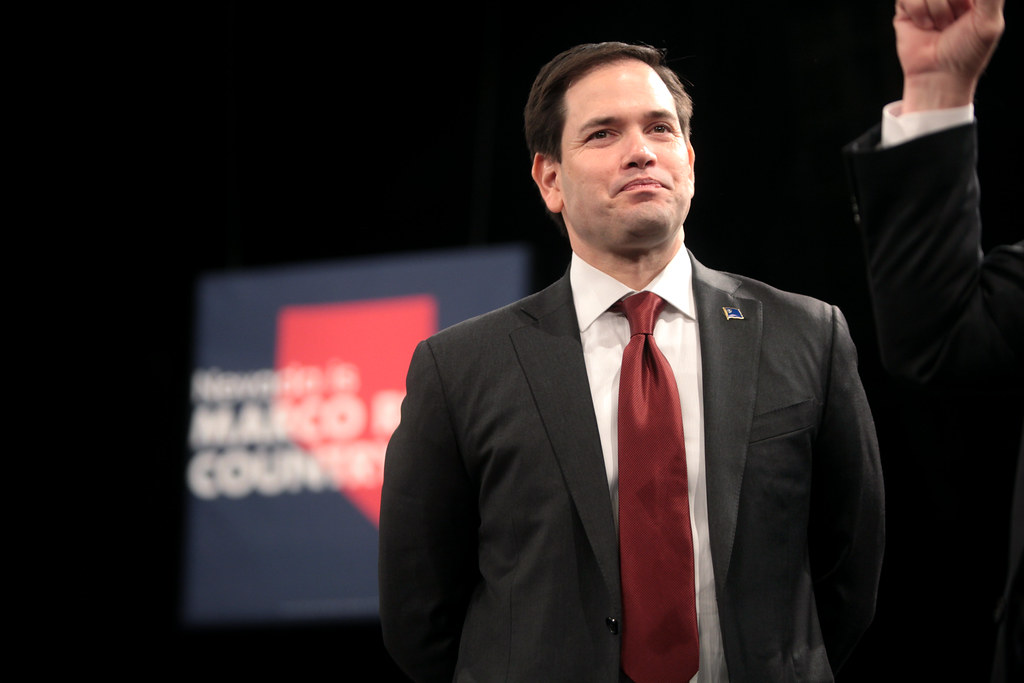
United States Secretary of State Marco Rubio’s visit to New Delhi placed renewed attention on the relationship between Washington and India, but the meetings appear to have left several major issues unresolved. While American officials emphasized India’s strategic importance, analysts said the visit did not deliver the broader political reset that New Delhi may be seeking.
According to The New York Times, India has faced growing uncertainty over the direction of American foreign policy under President Donald Trump. Previous administrations generally viewed India as an important economic and strategic partner, particularly as a counterweight to China in the Indo Pacific region. However, recent developments involving trade, immigration, energy and Washington’s ties with Pakistan and China have created questions about the future of the partnership.
Trade policy has become one of the most sensitive issues. India relies heavily on imported crude oil and has faced pressure linked to its energy purchases. According to The New York Times, a tariff imposed on India over Russian oil purchases was removed in February after India agreed to limit its imports. The conflict involving Iran and the closure of the Strait of Hormuz have also created additional energy concerns for the country.
Rubio used his visit to reaffirm that India remains one of America’s most important strategic partners. Trump also spoke during a reception in New Delhi and described Indian Prime Minister Narendra Modi as a close friend. Despite those public statements, analysts cited by The New York Times said India is looking for more concrete progress on trade, defence cooperation and long term political stability.

The two countries did announce a framework agreement focused on securing critical mineral supplies. India’s commerce ministry also said an American delegation is expected to visit the country for another round of trade negotiations. These steps could help strengthen economic cooperation, although broader questions remain about whether the relationship will become more predictable.
Immigration restrictions introduced by the Trump administration have also affected Indian students and workers. Rubio said the policies were not specifically aimed at Indians, but concerns remain in India about the impact of the changes on families, professionals and students seeking opportunities in the United States.
India has also expanded its relationships with other international partners, including the European Union, as it works to diversify its economic and diplomatic ties. The New York Times reported that Indian policymakers are closely watching the evolving relationship between Trump and Chinese President Xi Jinping, particularly as Washington reconsiders its priorities in Asia.
The final day of Rubio’s visit included discussions with the Quad, which brings together the United States, India, Japan and Australia. The group has focused on maritime cooperation and secure trade routes in the Indo Pacific region. However, analysts said its future effectiveness may depend on the level of attention and commitment it receives from Washington.
Rubio’s visit offered public reassurance, but the next phase of the relationship may depend on measurable progress. Trade negotiations, defence agreements, immigration policy and cooperation on global security issues are likely to shape whether India and the United States can rebuild a more stable partnership.

Comments are closed.