
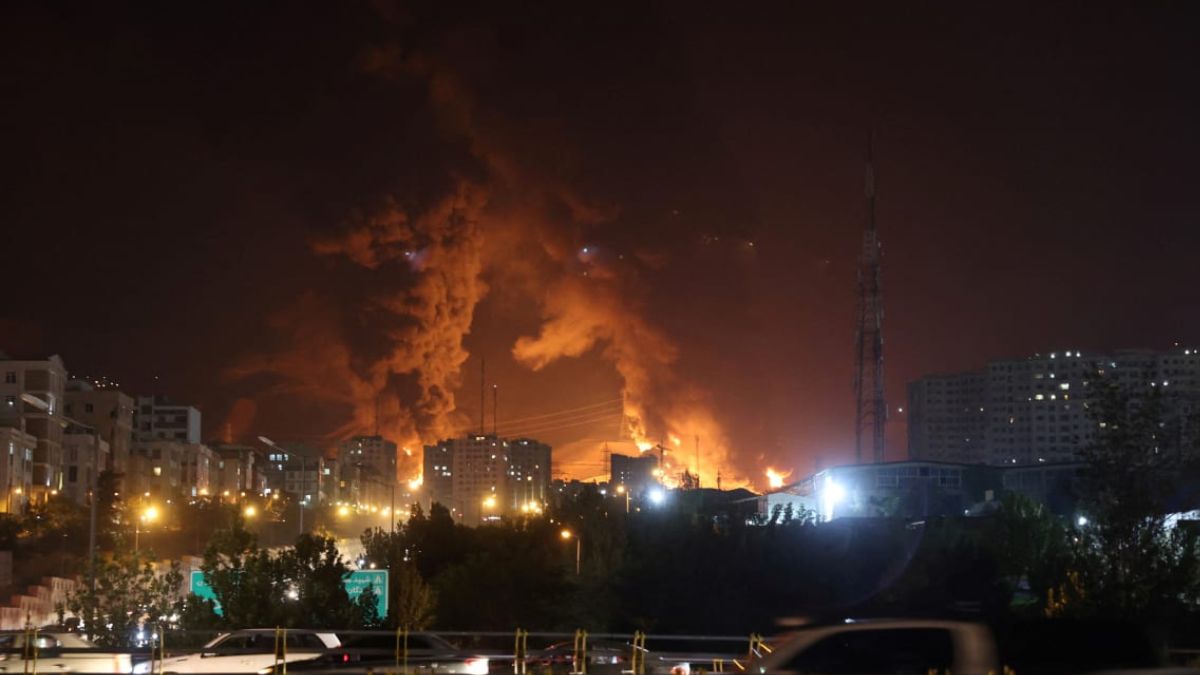
Iran State TV says probability of US-Iran deal ending is high if Lebanon attacks continue

Iranian state television said on June 1 that the probability of the ceasefire between Iran and the United States ending is high if Israeli attacks on Lebanon do not stop, the most direct public warning from Tehran yet that the fragile truce is close to breaking point.
The statement arrives as the ceasefire, brokered with Pakistani mediation in early April following US and Israeli strikes on Iran that began on February 28, enters its most critical phase. Diplomatic talks for a potential 60-day extension of the initial two-week truce are ongoing but progressing slowly, with the Lebanon question emerging as the central unresolved fault line.
Why Lebanon is the pressure point
Tehran has consistently maintained that any ceasefire with the United States implicitly covers Israeli actions against Hezbollah in Lebanon, given Iran’s position as Hezbollah’s primary backer and the group’s centrality to what Tehran calls the Axis of Resistance. The United States and Israel have taken the opposite position, treating Lebanon as a separate theatre not covered by the US-Iran bilateral arrangement and continuing Israeli military operations there accordingly.
Israeli strikes in Lebanon have continued and at points intensified since the ceasefire came into effect, creating a compounding source of Iranian frustration. Each Israeli strike in Lebanon is being read in Tehran as a violation of the spirit, if not the letter, of the truce framework, and the IRGC and Iranian officials have repeatedly warned that continued Lebanese operations could push Iran to exit the ceasefire, resume actions in the Gulf, or respond directly.
What a ceasefire collapse would mean
The Strait of Hormuz, which has been running at heavily reduced traffic since the war began, is the most immediate pressure point. The strait currently operates under an IRGC permit and coordination system that has allowed limited passage. A formal ceasefire collapse would remove even that structure, threatening a return to full closure and a fresh spike in global oil prices, which had begun to ease on deal hopes earlier this week.
Brent crude had slipped below $100 per barrel on May 25 as markets priced in ceasefire extension optimism. Today’s Iranian warning reverses that narrative and is supportive of a return to elevated oil price risk premiums. For India, the implications run directly through the current account, the rupee, and OMC margins, all of which had begun to stabilise partially on the prospect of Hormuz reopening.
What to watch
The most critical near-term variables are the pace and scale of Israeli military activity in Lebanon, any response from Washington on whether it will pressure Israel to pause operations as part of ceasefire maintenance, and signals from Iran’s foreign ministry and IRGC on whether today’s state TV statement represents an ultimatum with a defined timeline or a continuation of calibrated brinkmanship. Diplomatic communications between the US and Iran, including any involvement of Pakistani or Qatari intermediaries, will be the leading indicator of whether the truce holds through the week.
Disclaimer: This article is for informational purposes only and does not constitute investment advice. Please consult a qualified financial advisor before making any investment decisions.

Comments are closed.