
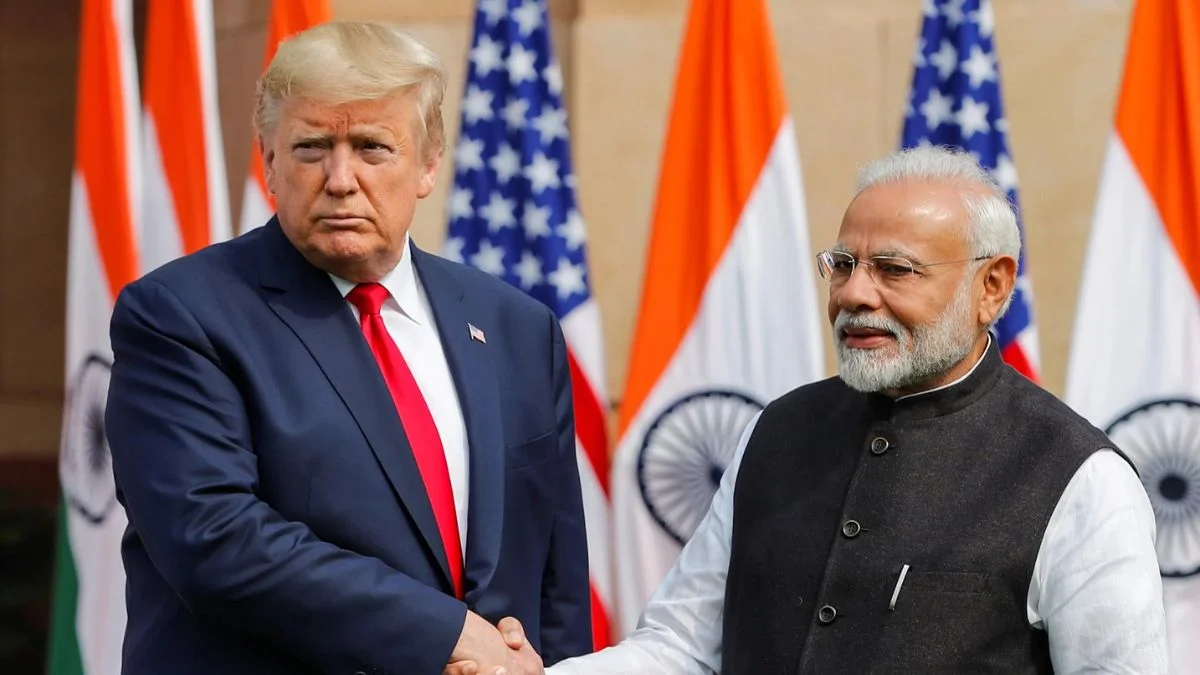
US proposes 12.5% tariff on India, 59 countries over forced labour practices under Section 301

The United States Trade Representative has proposed additional tariffs of 12.5% on imports from India and several other major economies including China, Japan, South Korea, Brazil, and Switzerland, following Section 301 investigations launched in March 2026 that concluded these countries have not adequately prohibited or enforced bans on imports made using forced labour.
A lower rate of 10% would apply to imports from Canada, Mexico, the European Union, Taiwan, and the United Kingdom, among others. In total, 60 economies are covered by the proposed tariff action.
“The failure of our most important trading partners to address the importation of goods made with forced labor is unacceptable. This creates a dynamic where American workers are forced to compete globally on an unlevel playing field,” said USTR Ambassador Jamieson Greer in announcing the proposal.
The move comes as the Trump administration seeks to rebuild the sweeping tariff framework that was struck down by the US Supreme Court, using a different legal basis, Section 301 of the Trade Act of 1974, which allows the USTR to investigate and respond to foreign trade practices deemed unfair or unreasonable. The forced labour angle provides a human rights justification for tariffs that complements the national security and reciprocity arguments used in earlier rounds.
Written comments on the proposed tariffs are due by July 6, with a Section 301 panel expected to convene public hearings beginning July 7, giving trading partners a narrow window to make their case before the measures potentially take effect.
What it means for India
A 12.5% tariff on Indian exports to the US would add meaningfully to the cost pressure on Indian manufacturers across labour-intensive sectors including textiles, garments, leather goods, and handicrafts, which have historically been the industries most associated with forced labour allegations in international trade disputes. India’s goods exports to the United States were approximately $80 billion in FY26, making the US India’s largest export destination. A blanket 12.5% levy, if implemented, would compress margins across a wide range of export categories and could divert orders to countries with lower or no additional tariffs.
The proposal arrives at a sensitive moment for India-US trade relations, with both sides engaged in negotiations toward a bilateral trade agreement. India has so far restrained from retaliating against US tariff actions, opting instead to pursue negotiated outcomes, a posture consistent with the approach most US trading partners have taken in response to the Trump administration’s tariff escalation since 2025.
The public comment and hearing process through July gives India’s government and industry bodies an opportunity to contest the forced labour findings before the USTR and potentially influence the final tariff determination.
Disclaimer: This article is for informational purposes only and does not constitute investment advice. Please consult a qualified financial advisor before making any investment decisions.

Comments are closed.