
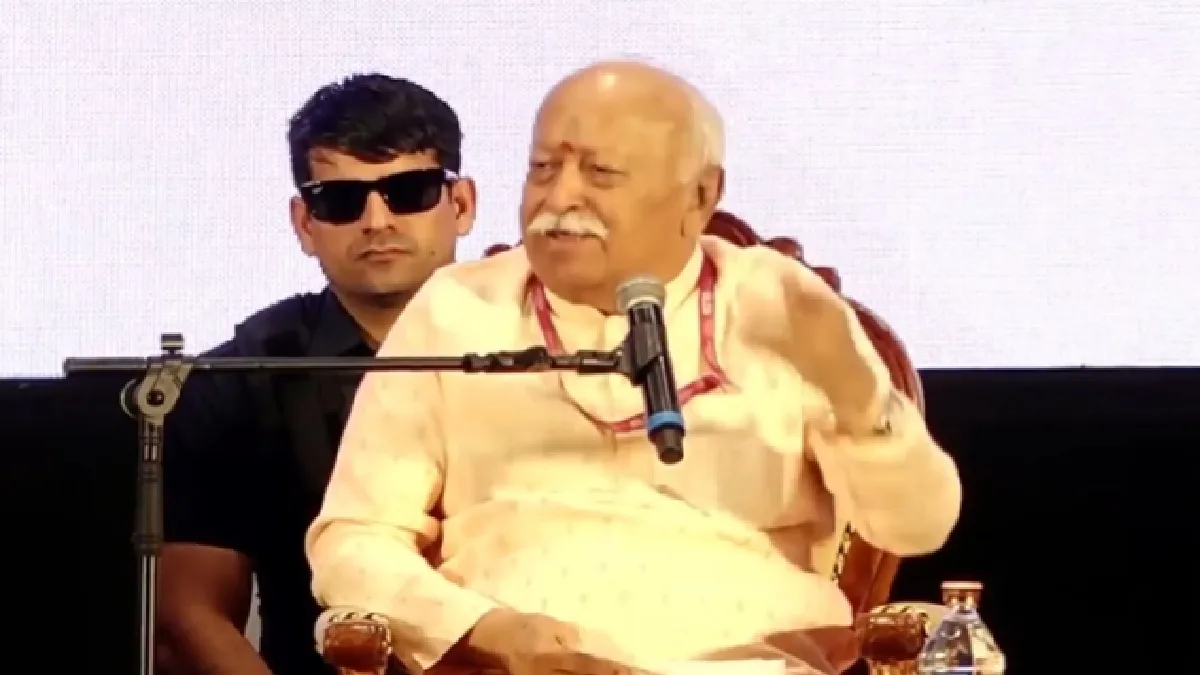
Mohan Bhagwat On Priyank Kharge: ‘All things including Hindu religion are not registered…the government accepts our existence’, RSS chief Mohan Bhagwat’s response to the questions of Karnataka Home Minister Priyank Kharge.

Thrissur. Rashtriya Swayamsevak Sangh (RSS) chief Mohan Bhagwat has reacted to the statement of Karnataka Home Minister Priyank Kharge, son of Congress National President Mallikarjun Kharge, regarding the registration of the Sangh. Mohan Bhagwat in Thrissur, Kerala said that there are many things including Hindu religion which are not registered. He said that we are not doing secret work. Mohan Bhagwat said that this is politics and we have become used to such tactics. He said that the government banned us twice. Out of which he was removed once by court order and second time by Satyagraha. He said this meant the government accepted the existence of RSS.
#WATCH | Thrissur | Reacting to Karnataka Minister Priyank Kharge’s statement, RSS Chief Mohan Bhagwat says, “I don’t need to respond. There are so many unregistered things going on, and we are not secretive. We are working in the open. We are calling people and telling them… pic.twitter.com/3zDXPJVZp4
— ANI (@ANI) June 16, 2026
The RSS chief did not consider it a serious matter and said that this is all politics. He said that on one hand they want to hinder the work of the Sangh. On the other hand, they want to create doubt in the minds of people, but now this is not possible. People know us. Mohan Bhagwat said that they say that we work secretly. Whereas, our workers live in all areas. People see them every day. The RSS chief said that our shakhas are set up in open fields. People also see them every day. Our programs are public. He said that RSS has been facing such things since 10-15 years of its establishment.
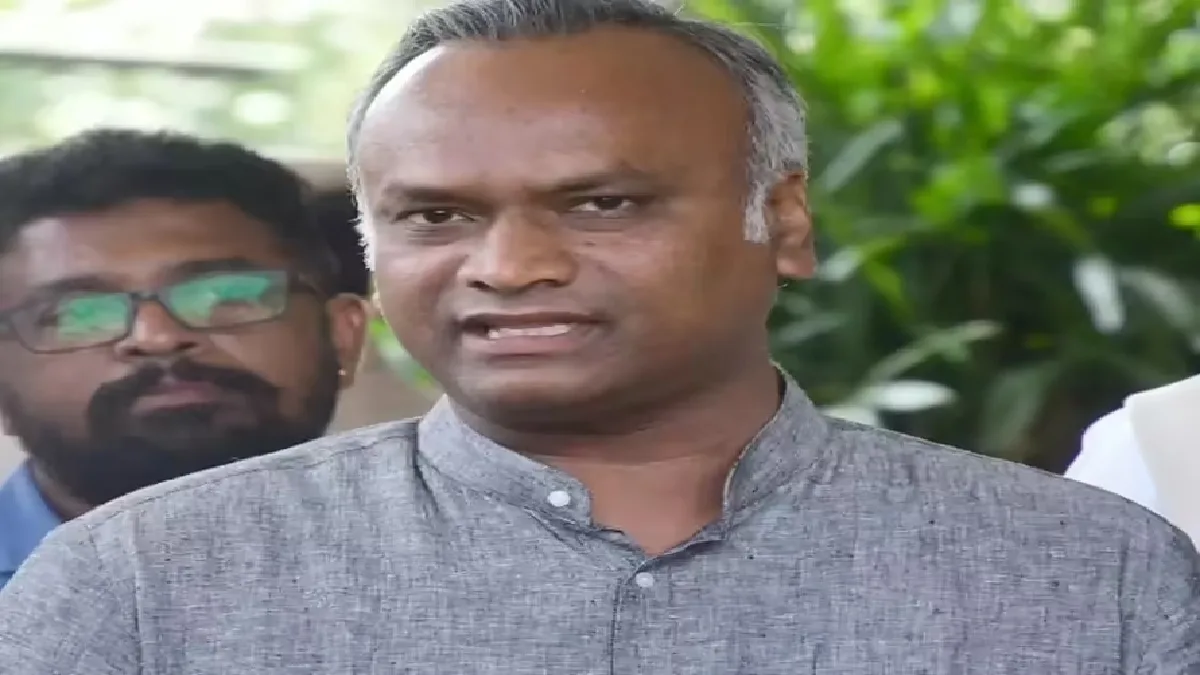
Earlier, Karnataka Home Minister Priyank Kharge had asked many questions in a letter addressed to Mohan Bhagwat along with congratulating him on the completion of 100 years of the Sangh. Kharge sought to clarify the legal status and organizational structure of the RSS, release details of its office-bearers and representatives, register the RSS, disclose sources of donations and income, details of expenses and assets, whether taxes are paid under the law or not, the legal basis on which the organization is run without registration, the constitutional and statutory framework under which it claims the right to work on a large scale without public accountability and questions related to approval in other programs including the route march. Had picked up.

Comments are closed.