
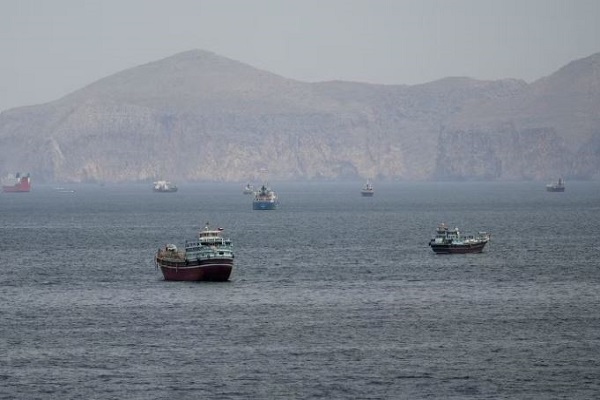

Tehran, 20 June 2026: Iran has taken a big and unprecedented decision regarding the ‘Strait of Hormoz’, one of the most important and strategic sea routes in the world. After the 14-point MoU between America and Iran, no ship will be able to pass directly through this international sea route. By implementing the new approval system, the Government of Iran has made it clear that now only those ships will be able to use this route which will apply online in advance and follow the strict rules set. This decision has come at a time when preparations were underway to normalize global maritime trade after efforts to reduce tension between the two countries. Nearly one-fifth of the world’s oil and LNG supply passes through this route, so Iran’s move could have wide-ranging impacts on the international market, energy security and the shipping industry.
Until now, no special permission was required to pass through the Strait of Hormuz and ships navigated freely under international maritime rules. However, now Iran has changed the entire process by creating a new organization called ‘Persian Gulf Strait Authority’. Now every ship will have to make a mandatory application on the online portal before entering this area and will be able to proceed only after getting approval. Iran claims that this decision has been taken to strengthen maritime security, traffic control and regional stability.
Ships will have to apply 48 hours before reaching the route
According to the new rules, ships will have to submit an application with complete details at least 48 hours before arriving in the Hormoz area. According to PGSA, the area is still experiencing some security challenges and the effects of war. Therefore, it is necessary to decide on different routes and timings for each ship. The agency will also get up to 48 hours to review this data, so that accidents and safety related risks at sea can be prevented.
Under the new system, ship operators have to submit in the online form the name of the ship and the flag of which country it is registered, International Maritime Organization number and type of ship, carrying capacity of the ship, weight and type of cargo loaded on it – bulk and estimated value, clarification whether there is any dangerous or explosive material on board the ship, details of the registered owner and operating company of the ship and their contact details, from which port the ship has departed. and the exact route plan of the port to which it is headed, the proposed date and time of crossing Hormuz, the total number of crew on board and the nationality of all members and documents of Protection and Indemnity Insurance and other marine insurance must be submitted. If the details are incomplete then the application may be rejected. After getting approval, the ship will get a single transit permit which will be valid for a maximum of 5 days.
Ban on changing the fixed route, PGSA’s decision cannot be challenged
Iran has determined a specific route for ships to pass through the island of Largs. Ships will not be able to change this route on their own. If a ship takes an alternative route, it will be considered a violation of rules and the captain of the ship will be responsible for all losses and fines. The most controversial issue of this new system is that while applying, ship owners will have to sign a declaration, in which it is written that they will not be able to challenge the decisions of PGSA in any international forum in future.
Under the US-Iran agreement, no fees will be charged from ships for the first 60 days. At present, the cost of facilities like security, navigation assistance and insurance will be borne by the Iranian government. However, Iran has indicated that this facility is not permanently free and transit fees or taxes may be imposed on international shipping companies in the future. India imports a large part of its crude oil requirements from the countries of the Middle East (West Asia), which reaches India only after passing through Hormones. If in the future Iran will levy heavy taxes due to strict rules here, then there will be a big increase in sea level. As a result, petroleum products may become expensive globally. That is why the whole world including India, China, Japan and European countries is keeping a close eye on this new movement of Iran.

Comments are closed.