
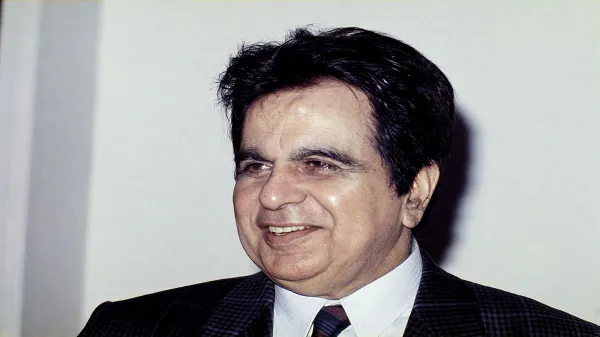

New Delhi. During the golden era of Indian cinema, there were many such occasions when there was a difference between the audience’s choice and the award decisions. One such memorable incident is related to the Filmfare Awards of 1962. At that time, both Dilip Kumar and Raj Kapoor were at the peak of their careers and their films had left a deep impression on the hearts of the audience. This competition was not only between two artists but also between two different types of films and thinking.
In the year 1961, Dilip Kumar’s film Ganga Jamuna achieved great success at the box office. He not only played the lead role in this film but also contributed to its story and screenplay. The film was based on a rural background and deeply depicted brotherhood, social conflict and family sentiments. Dilip Kumar’s performance as Ganga is still considered one of his strongest performances. Vyjayanthimala also played an important role in this film and made the story more impressive. The film was among the highest-grossing films of that year and was highly appreciated by critics.
During this time, Raj Kapoor’s film Jis Desh Mein Ganga Behti Hai was also in the news. In this film, Raj Kapoor played the character of a young man named Raju who is orphaned and later joins a group of bandits. In the story he sees that this group helps the poor by robbing from the rich. Gradually his perspective changes and he follows the path of non-violence and reform. The social message of this film was very strong and it became extremely popular among the general public.
When the Filmfare Awards were announced in 1962, everyone expected that Dilip Kumar would get the Best Actor award because Ganga Jamuna was considered a masterpiece. But the result was shocking and Raj Kapoor got this award. His character’s sense of social justice and story of change was considered pivotal. At that time the jury believed that Raj Kapoor’s character was going to give a positive message to the society and this gave him the edge.
This decision created a long discussion in the film industry. On one side was Dilip Kumar’s deep emotional acting style and on the other side was Raj Kapoor’s character full of social message. In the end, the award went to the character who reflected the thinking of social change.
This incident is still remembered as an important example in Bollywood history when the superiority of the art was determined not only by the acting but also by its social impact.

Comments are closed.