


Dr. Shivam Bhardwaj,
assistant professor
The history of technology has been the history of the triumph of human intelligence. From the wheel to the Internet, every invention has made humans more capable, but in the third decade of the twenty-first century we stand at a turning point where the question is no longer what technology can do for us. The question is what technology is doing to us. Particularly the extent to which digital platforms are influencing our behaviour, our choices and our mental world.
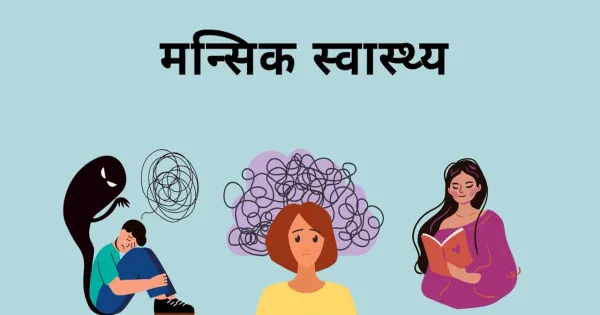
Two news that have emerged in recent times have given new seriousness to this question. First, the increasing anxiety, depression among the youth and the tendency to disconnect from real life and seek refuge in the digital world. Second, a lawsuit filed against social media companies in Italy alleges that a teenage girl was constantly exposed to material related to self-harm and depression, which worsened her mental condition and led her to commit suicide. This trial is not just a family tragedy; This is part of a broader debate that is raising questions around the world about the role and responsibility of social media platforms.
It does not seem appropriate to look at the above two separately, as they are two outcomes of the same digital system. Today the business of most social media platforms is based on advertisements. Its economic foundation is based on ‘attention economy’. Their earnings depend on how long the user remains on the screen. In other words, user attention itself has become a valuable resource in the digital economy. The longer a person stays on a platform, the greater his potential for business profit.
This is where the role of algorithms begins. Companies often argue that they only show what the user wants to see, but the reality is more complex than this. The most important objective of a platform is not always to show the most useful or most reliable information, but rather ‘engagement optimisation’. That means showing content that can hold people’s attention for a longer period of time. They look at what type of content we spend more time on, what we respond to, and what we watch again and again. They then present more of the same content.
This is where the concept of ‘Algorithmic Reinforcement’ becomes important. If a person sees more content related to sadness, failure, or loneliness, the amount of similar content they are exposed to may increase. Gradually, a digital environment is created where the person is surrounded by the same feelings and thoughts again and again. Several studies have indicated that such systems can increase anxiety, social comparison, and psychological stress, especially in adolescents and youth.
This is where it is important to understand the difference between normal social media use and algorithmic influence. The problem is not just that young people are using social media. The problem is what type of content the platform structures to promote. In traditional media the audience chose the content; Today in many cases content chooses the audience, the content that attracts more attention reaches more people. In such a situation, content that creates sensation, comparison, excitement and intense emotional reaction gets a natural edge.
The irony is that we live in the most ‘connected’ society in history, but perhaps the most emotionally ‘disconnected’. Internet speed in homes has increased, but communication speed has decreased. Families live under one roof, but captured on separate screens. The number of friends is in thousands, but there is not even a single person who can express his feelings. This loneliness is the empty space where algorithms build their empire.
Its impact is greater on the youth because they are in a period of life where the search for identity, self-confidence and social acceptance is greatest. The pressure of competitive exams, career uncertainty, social comparison and the constant race for success is already increasing mental stress. In such a situation, he looks towards the screen for relief. This is where an invisible cycle begins. If digital platforms push content that increases comparison, insecurity or negative emotions, the impact can be deeper.

Comments are closed.