
US Strikes Iran: Washington Launches Massive Military Raids After Strait of Hormuz Ship Attacks:

The Middle East is teetering on the edge of a major conflict as the United States launched a powerful new wave of military strikes against Iranian targets on Tuesday. This sharp escalation shattered a fragile ceasefire agreement between Washington and Tehran, following reported drone and missile attacks on three commercial vessels navigating the strategic Strait of Hormuz.
US Central Command Retaliates Against Iranian Aggression
According to a statement released on X by the US Central Command (CENTCOM), the military operation was a direct response to what Washington labelled as unwarranted and dangerous Iranian aggression. US officials confirmed that the precision airstrikes specifically targeted Iran’s air defence systems, coastal surveillance infrastructure, surface-to-air missile sites, anti-ship cruise missiles, and active drone launch facilities.
Port Cities Rocked by Explosions in Southern Iran
Local Iranian media outlets reported massive explosions rocking key coastal and strategic areas, including the southern port city of Sirik, Qeshm Island, and the major naval hub of Bandar Abbas. While no civilian deaths have been recorded so far, several individuals were injured by flying shrapnel after a projectile hit a commercial pier. The strikes also caused significant damage to local fishing boats docked in the region.
Washington Revokes Iran Oil License as Global Energy Prices Surge
In tandem with the kinetic military action, the US government officially revoked a temporary sanctions waiver that had previously allowed Iran to export crude oil and petroleum products to global markets through August 21. Under the newly revised directive, Washington has given international buyers until July 17 to wind down all transactions with Tehran. This sudden policy shift immediately triggered panic in global energy markets, sending oil prices surging over supply disruption fears.
Drone Attacks on LNG Tankers Spark Strait of Hormuz Crisis
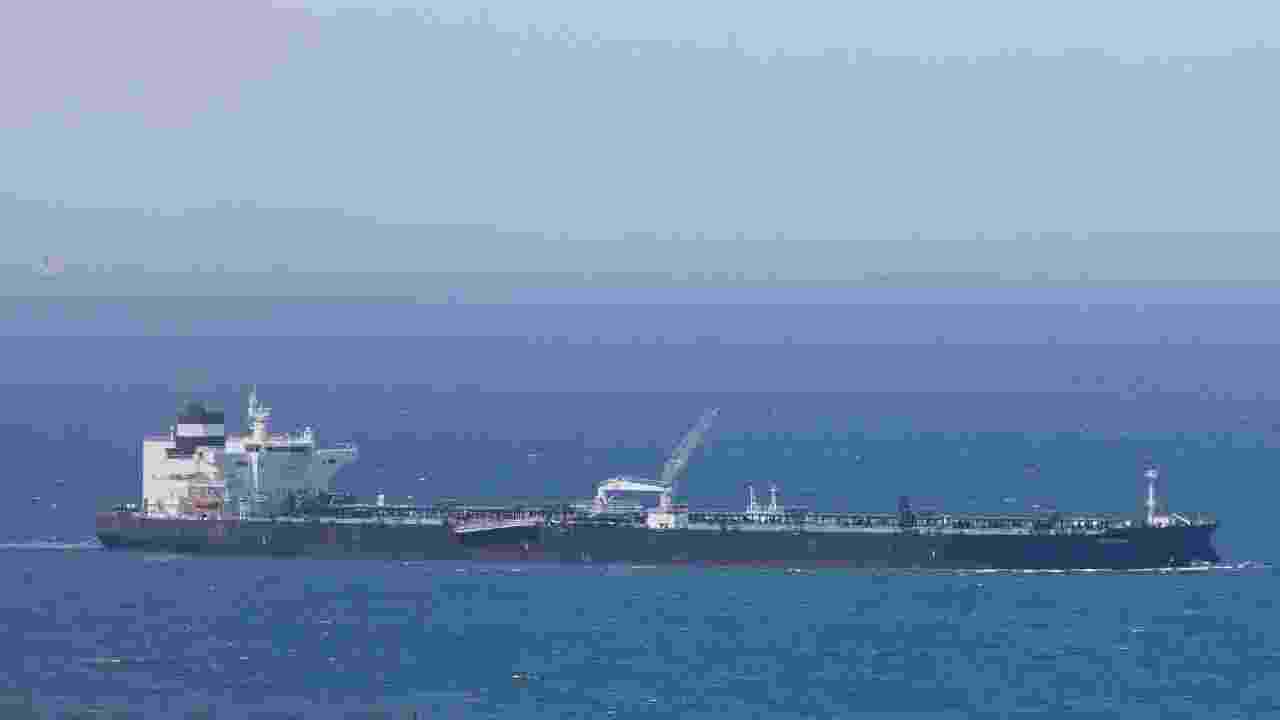
The military flare-up follows a series of chaotic maritime incidents in the Strait of Hormuz, where three commercial ships were targeted. Qatar openly blamed Iranian forces after one of its high-value Liquefied Natural Gas (LNG) tankers caught fire following an alleged drone strike. Concurrently, a Saudi-flagged oil tanker sustained damage near the coast of Oman. While Iran’s Foreign Ministry dismissed the allegations, it issued a stern warning that commercial vessels bypassing coordinated routes with Tehran would face severe security risks.
Regional Turmoil Deepens Amid Ayatollah Khamenei Funeral Ceremonies
This geopolitical explosion coincides with massive internal movements within Iran, as hundreds of thousands of mourners gathered in the holy city of Qom for the funeral of former Supreme Leader Ali Khamenei. State media later broadcast footage of an aircraft transporting Khamenei’s coffin to the Iraqi holy city of Najaf for burial. Iranian President Masoud Pezeshkian, who was visiting Iraq to attend the state funeral, abruptly cut his trip short and rushed back to Tehran following the American airstrikes.
Trump Warns Tehran as Indirect US-Iran Peace Talks Collapse
The latest military face-off highlights the total collapse of recent diplomatic efforts. The 60-day ceasefire was intended to pave the way for a permanent peace deal, but indirect talks hosted in Qatar concluded last week with zero progress. Highlighting the high stakes, US President Donald Trump issued a fierce warning to Tehran, stating that the US is ready to either make a deal or “finish the job” by taking out Iran’s energy supply and infrastructure within an hour. In response, Iranian Foreign Minister Abbas Araqchi declared that negotiations would remain completely frozen if American threats and military actions continue.

Comments are closed.