


S&P Global Ratings has downgraded Harley Davidson to BB plus from BBB minus, moving the motorcycle manufacturer one level below investment grade and into the category commonly described as junk debt. The agency also removed the company’s ratings from CreditWatch, where they had been placed with negative implications in February 2026.
The downgrade is based less on an immediate liquidity crisis and more on the length of time S&P believes Harley Davidson will need to rebuild the profitability of its motorcycle operations.
The agency expects the company’s adjusted EBITDA margin to remain at approximately 5 percent to 6 percent during 2026 and stay under pressure through at least 2027. It may take several years for the margin to approach 10 percent.
S&P has assigned a stable outlook, indicating that it does not currently expect another downgrade if Harley maintains adequate liquidity and keeps its adjusted leverage under control.
Harley Davidson’s global retail sales fell 12 percent in 2025 to 132,535 motorcycles. North American retail sales declined 13 percent, European and Middle Eastern sales fell 11 percent, and Asia Pacific sales dropped 15 percent. Latin America was the only major region to record growth, with sales rising 2 percent.
The fall in factory shipments was even steeper. Harley shipped 124,477 motorcycles during the year, down 16 percent from 2024. Revenue at the motorcycle division declined 13 percent to approximately $3.58 billion.
Lower production did not lead to an equivalent reduction in the company’s cost base. The motorcycle division’s gross margin fell from 28 percent in 2024 to 24.2 percent in 2025 because of lower factory utilisation, tariff costs, pricing pressure and higher incentives. Operating expenses increased by $18 million to $895 million.
As a result, the motorcycle business recorded an operating loss of $29 million in 2025. It had generated an operating profit of $278 million a year earlier. That deterioration is central to S&P’s concern because Harley must now restore volumes while also protecting margins and funding new products.

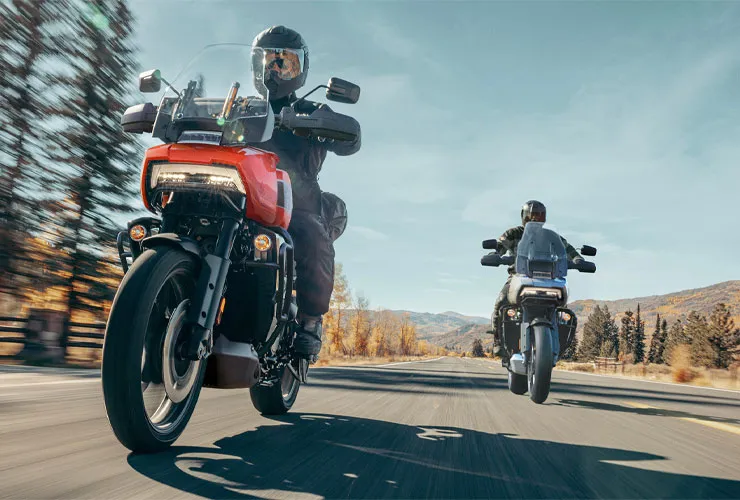
Chief executive Artie Starrs unveiled the company’s Back to the Bricks strategy in May 2026. The plan aims to make Harley more accessible to younger riders, improve dealer profitability and reduce the company’s dependence on expensive touring motorcycles purchased primarily by older and wealthier customers.
A new Sprint motorcycle is expected to use a 440cc engine and carry a price of about $6,000 in the United States. Harley also plans to revive the Sportster name on a motorcycle priced at approximately $10,000.
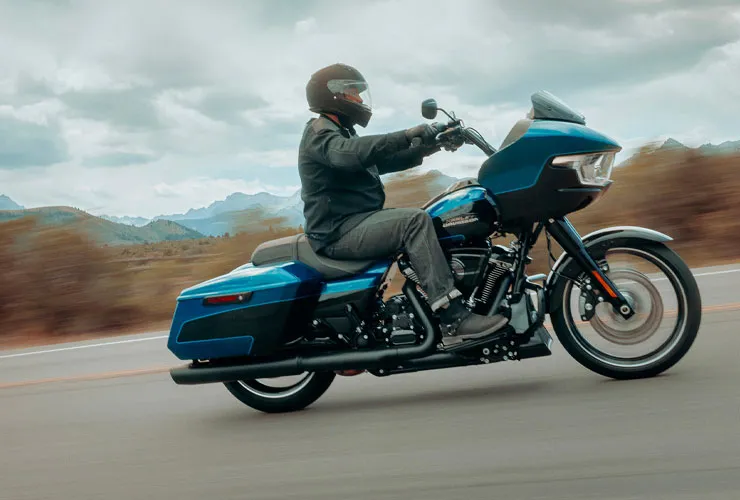
These motorcycles could help Harley recover customers priced out of its traditional range. They will, however, generate less profit per motorcycle than large touring and premium cruiser models. S&P expects this focus on rebuilding volumes and market share to weigh on margins during the early stages of the turnaround.
Harley’s share of United States motorcycle registrations fell from 49.1 percent in 2019 to 34.5 percent in 2025. S&P believes successful new products could eventually lift this towards the middle of the 40 percent range, but that recovery depends on pricing, dealer participation and the ability to attract riders who have not previously considered the brand.
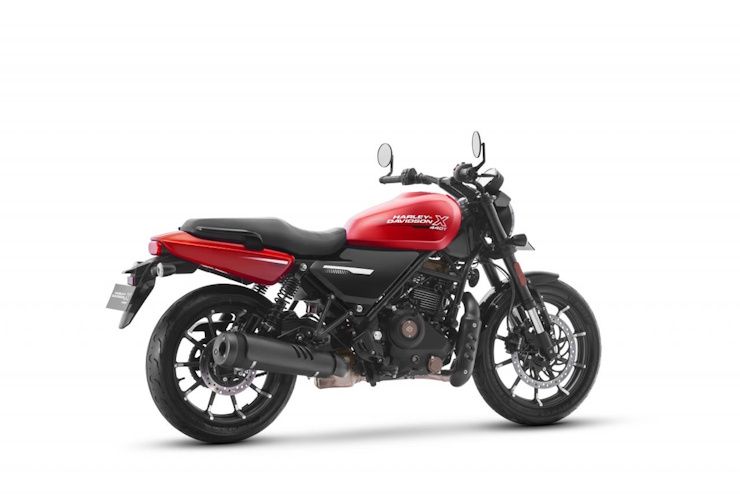
The new strategy targets more than $350 million in core profit from the motorcycle business by 2027 and cost reductions exceeding $150 million. Harley is also placing greater emphasis on parts, accessories and customisation, which generally carry stronger margins than complete motorcycles.
The company wants to sell more motorcycles as relatively simple starting points that owners can personalise through official accessories. This could allow it to offer a lower entry price while recovering part of the lost motorcycle margin through higher accessory sales.
Execution costs will create additional pressure before the savings are fully realised. Harley recorded approximately $15 million in restructuring expenses during the first quarter of 2026, largely related to headcount reductions and employee termination benefits.
Harley reported first quarter 2026 net income of $25 million, down from $133 million during the corresponding period a year earlier. Revenue declined 12 percent to approximately $1.2 billion.
Tariffs added about $45 million to costs during the quarter. The company expects the full year impact from tariffs to be between $75 million and $90 million. Although Harley manufactures most of its major motorcycles in the United States, it continues to import components such as semiconductors and other electronic parts.
The combination of tariffs, restructuring costs, cheaper motorcycles and additional marketing expenditure explains why S&P expects earnings to remain weak even if retail volumes begin to recover.
The downgrade extends beyond the motorcycle manufacturing business. S&P lowered the short term rating of Harley Davidson Financial Services from A minus 3 to B. It also cut the issue rating on the finance company’s medium term notes from BBB minus to BB plus.
The rating on Harley Davidson’s senior unsecured debt was similarly reduced to BB plus. S&P assigned a recovery rating of 3 to the senior unsecured notes.
The finance business remains important because it provides loans to motorcycle buyers and inventory financing to dealers. A higher cost of borrowing at the finance company can eventually affect customer loan rates, dealer financing costs or the amount of profit generated from each loan.
The downgrade will reduce the number of investors able to hold Harley Davidson bonds because some pension funds, insurance portfolios and fixed income funds are restricted to investment grade debt. Future refinancing could therefore require higher interest payments or more favourable terms for bond investors.
However, the company is not facing an immediate cash shortage. Harley had approximately $1.8 billion in cash and cash equivalents at the end of March 2026 and access to more than $2 billion through commercial paper and other funding programmes.
S&P’s stable outlook reflects that liquidity position. The more immediate issue is whether Harley can turn a lower priced product strategy into sustainable profits. Its own longer term targets call for a gross margin of 25 percent to 30 percent and an EBITDA margin of 10 percent to 12 percent within three to five years. Those targets are below the profitability achieved in 2022 and 2023, when gross margins exceeded 30 percent and EBITDA margins were above 16 percent.
The downgrade therefore represents a judgement on the expected pace of recovery rather than a prediction of collapse. Harley has the liquidity to carry out its turnaround, but it must demonstrate that higher sales, cost reductions and accessory revenue can compensate for the lower margins generated by its new entry motorcycles.
Comments are closed.