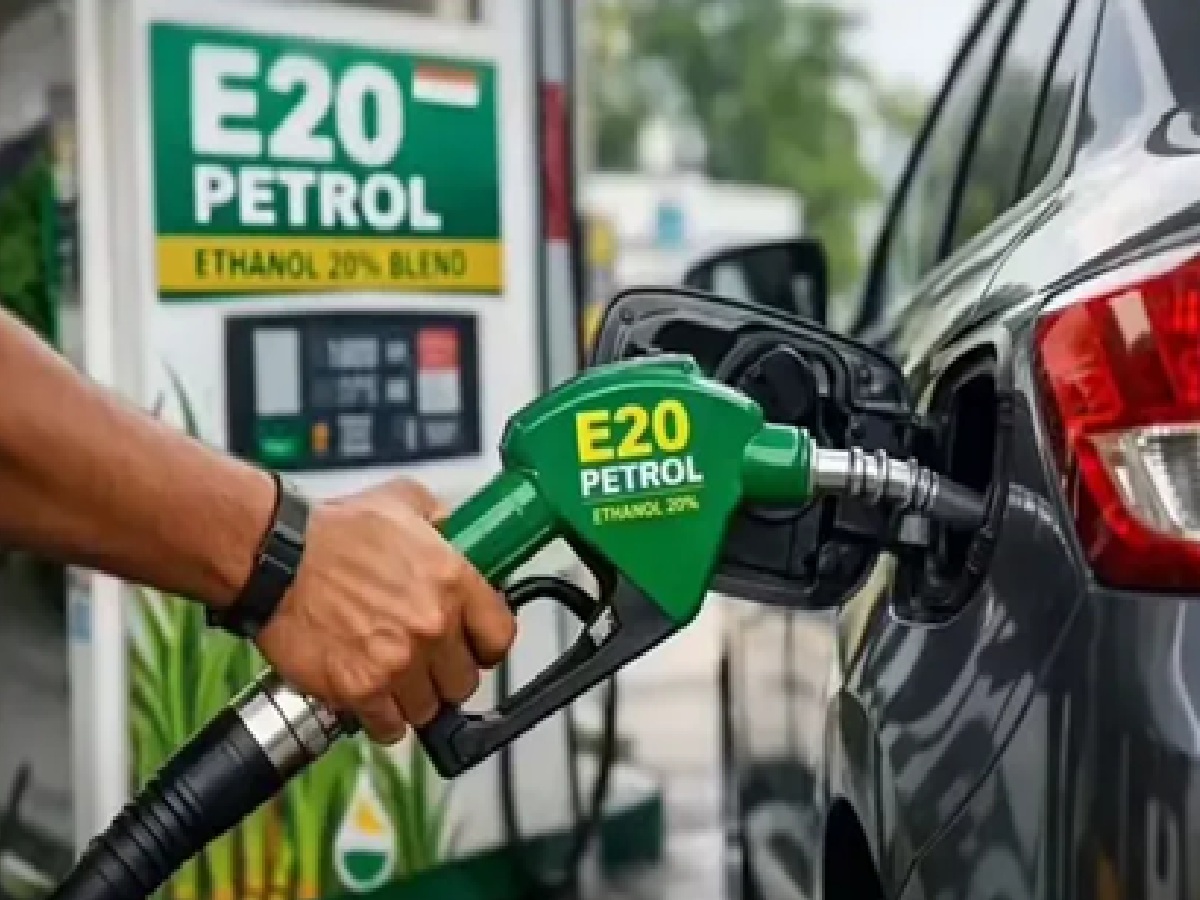
India’s ambitious green energy push involving E-20 petrol—fuel blended with 20 percent ethanol—has landed back in the spotlight following major industry concerns. Reports emerged regarding a communication from the Society of Indian Automobile Manufacturers (SIAM) addressed to the Ministry of Petroleum and Natural Gas, warning that high chloride content present in E-20 petrol could potentially corrode and damage vital automobile components. While auto giants have raised red flags over increased component replacements, the government has stepped forward to strongly defend fuel quality standards and reassure vehicle owners nationwide.
SIAM Flags High Chloride Levels and Component Damage
According to media reports citing the alleged letter from SIAM, automobile manufacturers recorded a massive surge in the replacement of sensitive engine parts, including fuel injectors, fuel pumps, EGR valves, and exhaust systems. The association claimed that internal testing discovered alarming chloride levels—reaching up to 500 mg per kg inside vehicle fuel tanks and up to 350 mg per kg at various retail outlets. Citing these findings, SIAM proposed setting a mandatory legal cap of 1 mg/kg for chloride content in E-20 fuel. Although Dainik Jagran reached out to SIAM for official confirmation, the organization remained tight-lipped, and the Petroleum Ministry did not officially authenticate the leaked document.
Petroleum Ministry and Consumer Affairs Clarify Stance
Responding directly to the swirling concerns across digital and print media platforms, the Ministry of Petroleum and Natural Gas firmly maintained that fuel quality is subjected to rigorous, continuous monitoring across the country. Highlighting expansive testing protocols, the ministry revealed that water testing is conducted eight to 12 times a day across more than 87,000 retail fuel outlets, alongside chloride and sulphide testing on over 2,000 samples. Officials reported that only two isolated cases of chloride contamination have been detected nationwide thus far, with fuel sales at those specific pumps suspended immediately. Furthermore, Consumer Affairs Secretary Nidhi Khare confirmed that the government has not received any formal consumer complaints regarding E-20 fuel damage, adding that any grievances brought forward will be addressed promptly.
Ministers Acknowledge Mileage Drop While Dismissing Damage Risks
The debate surrounding E-20 has also drawn comments from senior union ministers. Over the past two months, Petroleum and Natural Gas Minister Hardeep Singh Puri and Road Transport and Highways Minister Nitin Gadkari have repeatedly clarified that E-20 fuel does not structurally harm properly tuned modern vehicles. However, both ministers candidly acknowledged a practical reality that drivers face: the use of ethanol-blended fuel results in a slight reduction in vehicle mileage. As the government continues its push toward sustainable energy alternatives, balancing green fuel mandates with long-term engine durability remains a critical focus for automakers and policymakers alike.