
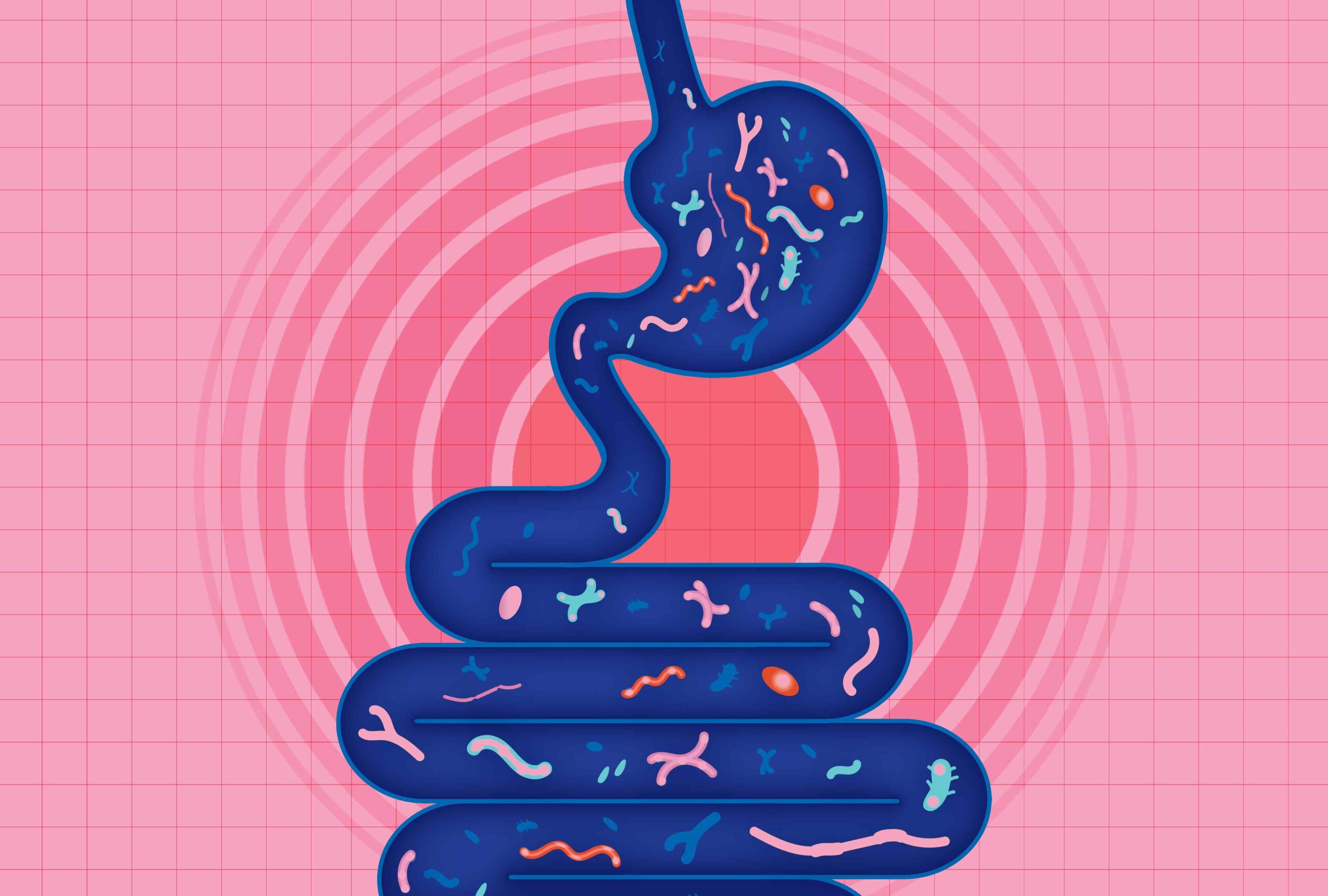

Your gut thrives on balance. Here’s what happens when too much added sugar becomes part of your regular routine.
Reviewed by Dietitian Jane Leverich, M.S., RDN
Key Points
- Your diet plays an important role in nourishing your gut microbiome.
- Gut-health experts explain the effects added sugar can have on your gut health.
- Eating fiber-rich foods, prioritizing sleep and managing stress all play a role in gut health, too.
Gut health has been getting a lot of attention lately, and for good reason. Your gut microbiome is home to trillions of bacteria that do much more than just help digest food. These microbes also play an important role in immune function, inflammation, heart health, mood and even metabolism. In other words, a healthy gut supports your overall health in more ways than you might realize.
One of the biggest factors influencing your gut microbiome is your diet. “The foods you eat play a big role in determining which bacteria thrive,” says Kara Hochreiter, MS, RDN, LD. Simply put, food can either nourish beneficial bacteria or make it harder for them to survive.
One nutrition topic that never seems to leave the headlines is added sugar. And while health experts recommend limiting it to support overall health and lower the risk of chronic disease, its effects on the gut microbiome often get less attention.
So, what actually happens to your gut when you regularly eat too much added sugar? We asked gut-health experts to explain the science and share simple ways to support your microbiome while still making room for the occasional sweet treat.
What Is Added Sugar?
Sugar is a type of carbohydrate that provides your body with glucose, its primary source of energy. Added sugars differ from naturally occurring sugars in that they are added to foods during processing, whereas natural sugars are inherently present in the food, such as in fruits, vegetables and dairy products.
Common sources of added sugar include cane sugar, dextrose, honey, maple syrup, brown rice syrup and corn syrup. In the typical American diet, the biggest contributors of added sugars are sugar-sweetened beverages, desserts and sweet snacks like cookies, brownies, ice cream and other baked goods.
How Too Much Added Sugar Impacts Gut Health
It Can Disrupt the Balance of Your Gut Microbiome
Your gut is home to trillions of microbes that work together to support digestion, immunity and many other aspects of health. Those microbes are there to help keep the body system in harmony, kicking foreign invaders out while nourishing the good bacteria to keep them thriving., One of the best ways to support these beneficial bacteria is by eating a balanced, fiber-rich diet with a variety of plant foods. But when your diet regularly contains large amounts of added sugar, that balance can begin to shift.
“Eating large amounts of added sugar on a regular basis can disrupt the balance of your gut microbiome, allowing less-beneficial microbes to flourish and crowd out the ‘good guys,’” says Hochreiter. “Over time, this imbalance can contribute to everything from digestive issues and inflammation to metabolic dysfunction and even changes in mood.”
It May Increase Inflammation & Weaken the Gut Barrier
Gut microbes are tiny but mighty machines that work around the clock to support a healthy microbiome that regulates digestion, supports the intestinal lining and helps modulate inflammation. But regularly eating large amounts of added sugar may disrupt this balance by changing which bacteria thrive in your gut.
“When added sugar intake is consistently high, it can change the environment in the gut,” explains Jessie Wong, M.Acc., RDN, LD. “Research suggests added sugars may enrich sugar-utilizing bacteria while reducing bacteria that produce beneficial short-chain fatty acids (SCFAs), like butyrate.”
SCFAs help nourish the cells that line your gut, support the gut barrier and have been linked to lower levels of inflammation, along with benefits for immune and heart health. When fewer SCFAs are produced due to a high added sugar intake, Wong says, it may contribute to dysbiosis, increased gut permeability and a more inflammatory gut environment over time.
It Can Crowd Out Foods Your Gut Needs
One of the biggest concerns with eating too much added sugar is what it may replace in your diet. Research suggests that diets high in ultra-processed foods, which tend to be high in added sugars and low in fiber, can negatively affect the gut microbiome.
“Excess added sugar from foods, especially sweetened beverages and ultra-processed foods, often lacks the fiber, water, micronutrients and protective plant compounds that help nourish the gut microbiome,” says Wong. When these foods regularly replace fruits, vegetables, legumes and whole grains, beneficial gut bacteria have fewer nutrients to feed on, which may reduce microbial diversity and alter the balance of the microbiome.
Wong adds that everyone’s gut microbiome is unique, so individual responses to added sugar and other dietary factors can vary, making personalized nutrition recommendations from a registered dietitian especially important.
Other Tips for Supporting Gut Health
If you’re constantly hearing about all the foods you should avoid for better gut health, try flipping the script. Instead of focusing on cutting foods out, think about what you can add to your diet and lifestyle to support your microbiome. Here are a few expert-backed tips to improve your gut health long-term:
- Add more fiber-rich foods. The more, the merrier, dietitians agree, when it comes to adding fiber into your diet. Fruits, vegetables, oats, chia seeds, legumes and whole grains are all nutrient-dense additions to your meals and snacks.
- Rethink sugary drinks. Wong recommends paying attention to where added sugar is showing up most often, especially in beverages like soda. “These can add a lot of sugar quickly without much fiber or fullness,” she says. Consider swapping them for fruit-infused water, sparkling water with citrus, or unsweetened iced tea for a refreshing alternative.
- Don’t fear naturally occurring sugars. Fruits and dairy contain naturally occurring sugars, but they also provide fiber, vitamins, minerals and other nutrients that support overall health—including your gut. “Fruit comes packaged with fiber, water, vitamins, minerals, and plant compounds that help support the gut microbiome,” says Wong. “A balanced snack like kiwi with Greek yogurt, berries with chia pudding, or an orange with nuts can satisfy a sweet craving while supporting gut health.”
- Prioritize sleep and manage stress. Your daily habits matter, too. Hochreiter notes that inadequate sleep and chronic stress can disrupt your gut health. She recommends prioritizing a healthy sleep routine and focusing on stress-management practices that can help you relax and reset to get better sleep.
Our Expert Take
Consistently eating too much added sugar can affect more than your overall diet quality, it may also influence the health of your gut microbiome. Research suggests that diets high in added sugar and ultra-processed foods can disrupt the balance of beneficial gut bacteria, promote inflammation and crowd out fiber-rich foods that help your microbiome thrive. That said, you don’t have to swear off dessert forever. Instead, focus on an overall eating pattern rich in fruits, vegetables, whole grains, legumes and other fiber-filled foods, while enjoying sweets in moderation. Naturally sweet foods like fresh or frozen fruit can be an especially satisfying choice, offering fiber, vitamins and antioxidants along with a touch of sweetness.

Comments are closed.