Late in the day
Drinking coffee too close to bedtime can make it harder to fall asleep and reduce total sleep time, Healthline reported.
Caffeine has an average half-life of around five hours, meaning that about half of the stimulant may still remain in the body several hours after consumption. However, the time needed to clear caffeine can vary widely, from about 1.5 to 10 hours, depending on factors including genetics, age, and smoking habits, according to the U.S. Food and Drug Administration.
To reduce the risk of sleep disruption, experts generally recommend stopping caffeine intake at least five to six hours before bedtime.
Researchers also noted that consuming coffee in the afternoon or evening may interfere with the body’s circadian rhythm and melatonin production, potentially worsening sleep problems.
When trying to make up for lost sleep
Coffee can provide a temporary boost in alertness after a poor night’s sleep, but it cannot replace the restorative effects of proper rest, according to Times of India.
Once caffeine’s stimulating effect wears off, fatigue and difficulty concentrating may quickly return.
Regularly relying on coffee to get through periods of sleep deprivation can also create a cycle in which caffeine makes it harder to sleep the following night, leading to greater tiredness the next day.
|
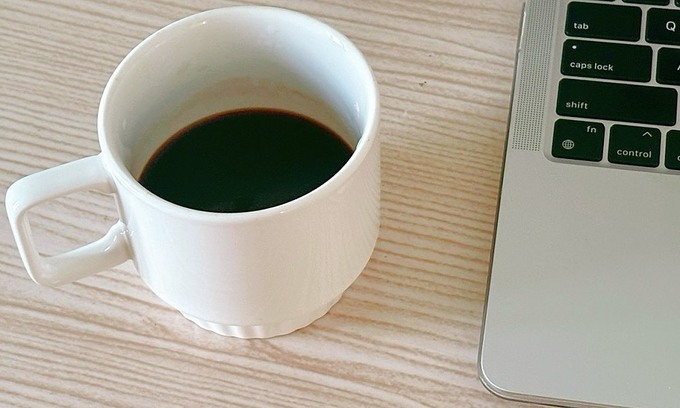
Coffee contains caffeine, which can interfere with sleep when consumed late in the day. Photo by Bao Bao |
When taking iron supplements
Coffee may also reduce the body’s ability to absorb certain types of iron.
Studies indexed by the U.S. National Institutes of Health and published in The American Journal of Clinical Nutrition have found that polyphenols naturally present in coffee can interfere with the absorption of non-heme iron, which is commonly found in plant foods such as beans, nuts, grains, and leafy vegetables.
People with iron deficiency or those taking iron supplements may therefore benefit from avoiding coffee around the same time as iron-rich meals or supplements and spacing the two apart.
Before a blood pressure check
Drinking coffee shortly before having blood pressure measured may temporarily raise the reading because caffeine can cause a short-term increase in blood pressure.
The American Heart Association recommends avoiding caffeinated beverages for at least 30 minutes before a blood pressure test and sitting quietly for about five minutes beforehand.
For most healthy adults, consuming up to 400 milligrams of caffeine a day, equivalent to roughly three to four regular cups of coffee, is generally considered safe.
However, people who are especially sensitive to caffeine or who experience symptoms such as restlessness, anxiety, palpitations, or persistent sleep problems may benefit from cutting back and seeking medical advice if symptoms continue.