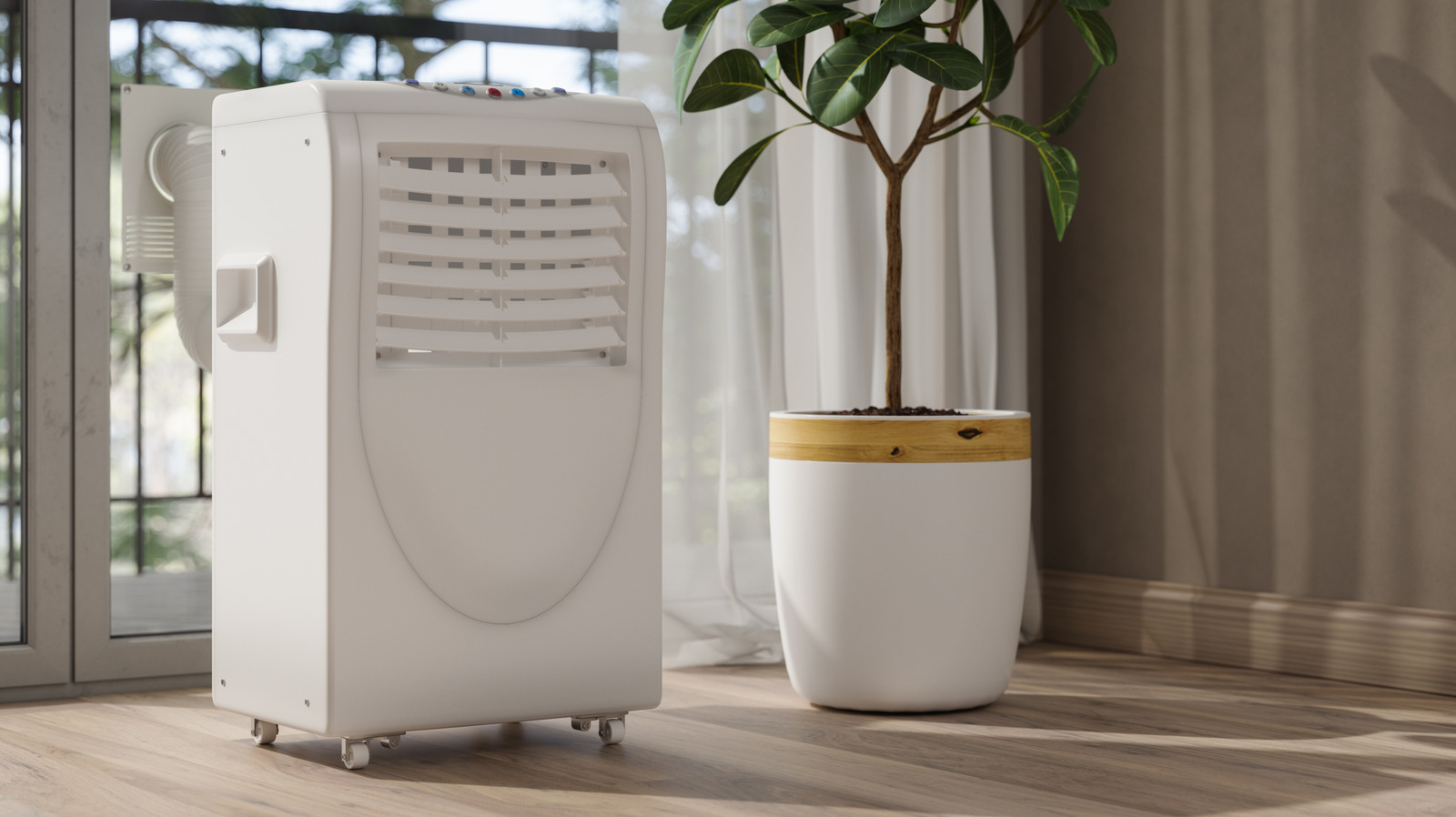
A highly rated portable air conditioner can be a great solution in smaller living situations, as they require little setup compared to traditional wall units or central air systems. However, they can require regular maintenance, which is why it’s important to know how these devices work. First off, portable ACs do not take freon under normal operating conditions. But that doesn’t mean they don’t contain any refrigerant.
The refrigerant inside portable air conditioners moves through a sealed system rather than being consumed. This means that it is continuously cycling through the unit, changing between liquid and gas as it absorbs heat from the room and releases it outside. The process begins when warm air from the room passes over the evaporator coil, where the refrigerant absorbs its heat. From there, the compressor keeps the refrigerant moving while the condenser coil releases the collected heat so it can be vented outside.
This process can be affected by several factors, which means that if the AC isn’t cooling properly, the refrigerant may not be the problem. Poor ventilation, a clogged air intake, a dirty filter, an unstable power connection, or even an improperly set temperature can cause issues with how effectively the unit can cool a room. However, if these issues are addressed and the AC still isn’t producing cold air, there could be a refrigerant leak.
What you should know about AC refrigerants
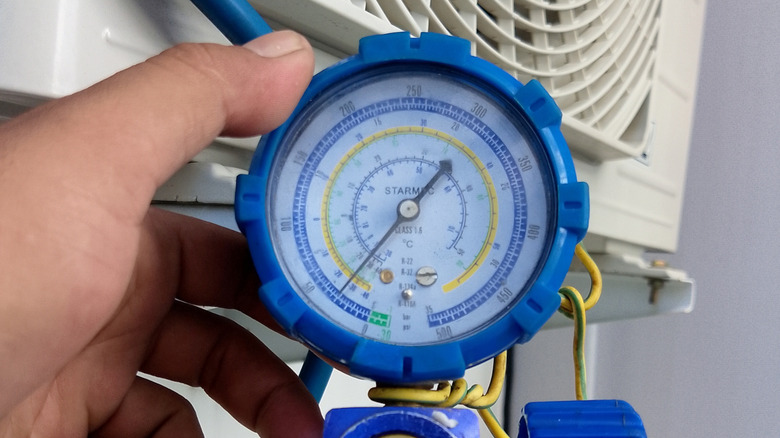
You may not need to drain your portable air conditioner to ensure it functions properly, but a leak can affect the unit’s performance. However, simply adding more refrigerant will not fix the problem over the long-term. It can improve the AC’s cooling performance in the short-term, but it doesn’t fix the issue and it also doesn’t prevent the same problem from happening again. That’s why the leak should be located and repaired by a service technician so the system can retain the refrigerant it has left and thus continue working properly.
When it comes to refrigerant types, “freon” has become a general term for AC refrigerant, but it is actually a trademark that’s been used for several different refrigerants, including R-22. This refrigerant was widely used in older AC systems before being phased out because it was found to contribute to ozone depletion. New R-22 production and import ended in the United States in 2020, though reclaimed R-22 can still be used to service existing systems.
AC manufacturers have since moved on to other refrigerant solutions that do not damage the ozone layer. This includes R-410A, a hydrofluorocarbon (HFC) blend. But while this refrigerant isn’t depleting the ozone, it does have its own environmental concerns. That’s because it can contribute to climate change, just as other HFCs. Because of this, the industry has continued to move toward refrigerants with lower global warming potential.