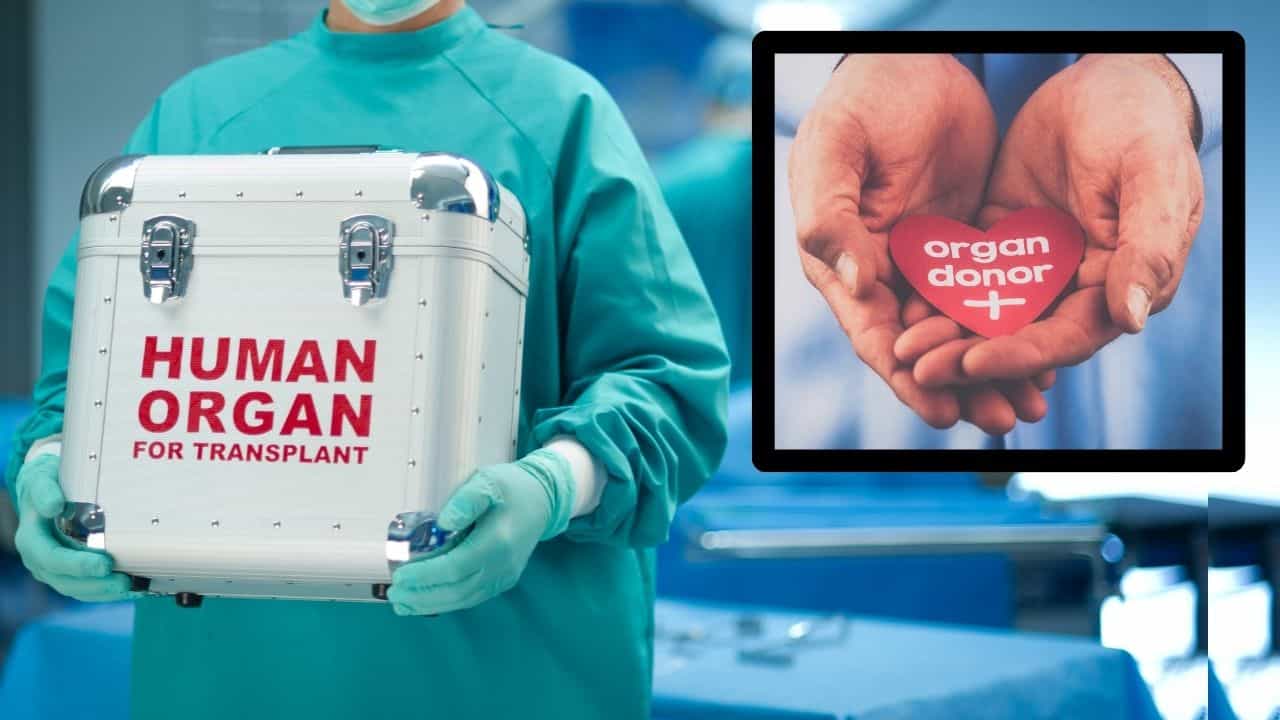
There can be no greater human work than giving new life or new light to another human being after death. Awareness regarding Organ & Tissue Donation in India has increased rapidly in the last few years. Many people express their desire to donate organs after death in their will or will and family members also wish to donate their organs to perpetuate the memory of their deceased loved one. When a person dies at home (Natural/Cardiac Death) instead of in the ICU of a hospital, the biggest dilemma families face is which organs can now be donated. Many times people think that they can donate kidney, liver or even heart at home, whereas the rules of medical science are exactly the opposite. There is a huge biological and medical difference between death at home and 'brain death' in hospital, which is very important for every citizen to understand.
Brain death vs cardiac death: What is the medical difference between the two and why does donation of solid organs stop?
To understand the rules of organ donation, it is first necessary to understand the two types of death:
-
1. Cardiac death (natural/heart attack death – which usually happens at home): When a person's heart stops beating forever, blood circulation and oxygen supply to the body stops at that very moment. Due to lack of blood, within a few minutes (3 to 5 minutes) all the major solid organs of the body get affected by 'Warm Ischemia' and get damaged forever. Therefore in case of cardiac death at home Tissues only Only organs can be donated, not living organs.
-
2. Brain death (brain stem death – which occurs only in hospital ICU): This condition occurs in cases of severe head injury, brain hemorrhage or stroke where the patient's brain stops functioning completely and permanently, but with the help of ventilator and life support system, his heart keeps beating and blood and oxygen continues to reach the organs. In such a situation, solid organs (like heart, liver, kidney) are safely removed and transplanted on ventilator support in the ICU.
Which organs/tissues can be donated after death at home?
If a person died at home, the next within 4 to 6 hours The following tissues and structures can be donated successfully:
-
1. Cornea / Eye Donation: This is the most common and simple donation that can be done at home. Instead of removing the entire eyeball, only the upper transparent layer of the eye pupil i.e. 'cornea' is removed. Donating one person's cornea can bring vision back into the lives of two corneal-blind people. it's death 4 to 6 hours Should be taken within (maximum 8 hours in winter).
-
2. Skin Donation: Skin transplant proves to be life saving for severe burn victims and acid attack victims. of death 6 hours Skin can be donated within. The Skin Bank team comes to the home and removes a very thin layer (micron level) of skin from the thighs and backside. There is no bleeding and no deformity occurs on the body; Later a bandage is tied on that area.
-
3. Bones and Tendons (Bone & Cartilage Donation): Bones, joints and cartilage can be donated to bone cancer patients, severe bone fractures in accidents or for replacement surgery. it's death 6 to 8 hours Inside the bone is extracted by the experts of the bank.
-
4. Heart Valves: Even though the entire heart may not function, the heart valves (Aortic/Pulmonary Valves) survive for hours after cardiac death. These are removed and used to replace defective valves in children and heart patients.
-
5. Blood Vessels / Veins: Veins are used for bypass surgery and vascular reconstruction.
Which organs cannot be donated at all after death at home?
Donation of following vital organs after natural death at home absolutely not possible Is:
-
Kidneys: Within 30 minutes of heart failure, the kidney's nephrons are completely damaged.
-
Liver: As soon as the supply of oxygen stops, the liver cells start destroying rapidly.
-
Whole Heart: After the heartbeat stops, it is not possible for the heart to beat again in any other body.
-
Lungs: After breathing stops, the alveoli of the lungs immediately shrink and become useless.
-
Pancreas and Small Intestine: These organs are extremely sensitive without oxygen and become unfit for transplant within minutes.
All these solid organs can be donated only when the patient is admitted to the hospital and a 4-member team of doctors declares him legally 'brain dead'.
5 important immediate steps to donate eyes or skin in case of death at home
If the family wishes to donate eyes or organs after death at home, take these steps immediately before the medical team arrives:
-
Switch off room fans immediately: Due to running of ceiling fan, the cornea of the deceased becomes dry and can get damaged. If there is an air conditioner (AC) in the room, turn it on so that the temperature remains cool.
-
Keep the eyes closed and keep wet cotton: Close both the eyes of the deceased slowly and place cotton soaked in clean water or rose water on them.
-
Place a pillow under the head: Place a pillow under the head of the deceased and keep the head about 6 inches higher than the torso, so that there is no accumulation of blood on the eyes and face.
-
Keep death certificate ready: Make sure to get the Medical Certificate of Cause of Death from a registered doctor, because without the official doctor certification no one can start the IBank process.
-
Call the National Helpline or local I Bank immediately: Immediately toll-free number of National Organ and Tissue Transplant Organization (NOTTO) of Government of India 1800-11-4770 / 1919 Contact or call the nearest Eye Bank/Red Cross of your city. The team completes the procedure after reaching home in 15 to 30 minutes.
Any organ of a person suffering from which diseases cannot be donated?
Under strict safety and infection control protocols, organ or tissue donation is not accepted if the deceased person had any of the following diseases:
-
HIV/AIDS
-
Active infection with hepatitis B or hepatitis C
-
Rabies or tetanus
-
Blood cancer (Leukemia/Lymphoma) or active cancer spread throughout the body (metastasis)
-
Encephalitis or septicemia (severe bacterial infection in the blood)
Even after natural death at home, donating cornea and skin can brighten the dark life of a blind person and give a new lease of life to a burnt patient. Taking care of time and following the correct procedure makes this great donation successful.