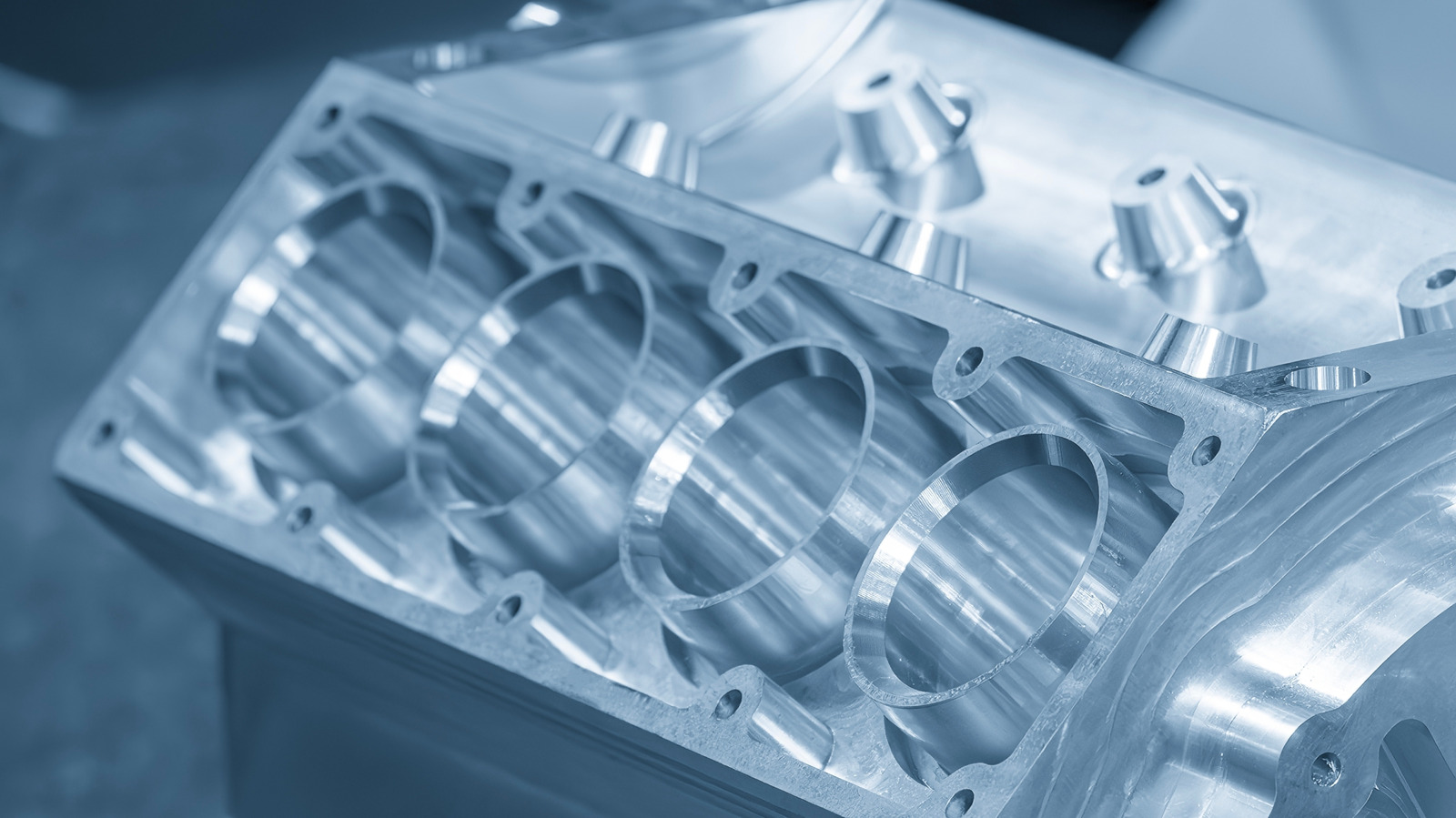
Unless you’re an automotive DIYer or car enthusiast, you may not know much about the various types of engine blocks. But one of the primary differences between engine blocks is how they’re manufactured. This is the case with billet blocks, which start as a solid piece of aluminum, and cast aluminum blocks, which are formed by pouring molten aluminum.
Because a billet block is shaped using CNC machining, manufacturers are able to change the design and incorporate more features for certain applications. This can include changes to the oiling system, bore arrangement, lifter placement, and main cap design. In contrast, a cast aluminum block is machined after it has been formed in a mold. A billet block can be built to more consistent dimensions while also avoiding some of the flaws that can happen during the casting process. Because of this, billet blocks can be more suitable for performance racing.
However, cast aluminum blocks can also be used for serious performance builds. But the right choice depends on how the engine will be used and how much power the block needs to handle. Cost can play a role as well, as billet blocks are typically more expensive than cast aluminum blocks. But the additional machining that may be needed for a cast block can potentially narrow the difference in price.
What to know before choosing an engine block
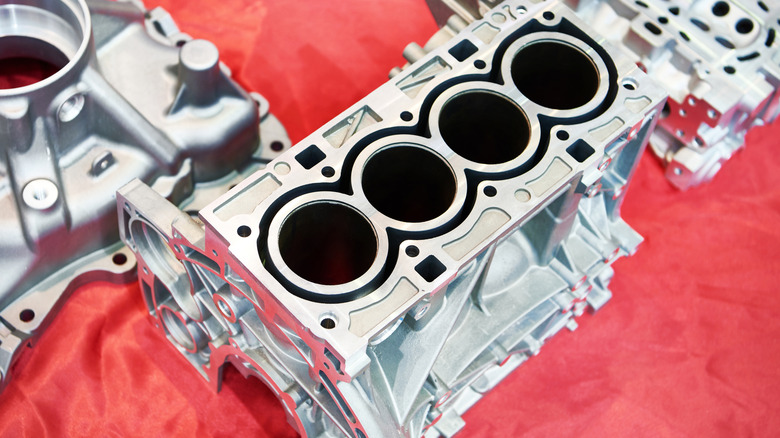
While billet blocks can be a good choice for high-performance racing, they do come with some drawbacks. For example, when billet aluminum heats up, it can expand more than other materials used in many factory engine blocks. This means an engine with a billet block may need to be warmed up before it is driven hard. Additionally, the billet block’s thermal expansion can affect certain components, including the main engine bearings and, in some engine designs, the timing belt.
Cast aluminum blocks have some drawbacks as well. They are lighter than other engine blocks, like those made from cast iron, but they can actually flex more under high cylinder pressures. This can make them less forgiving in certain high-power applications, especially where the added movement can put stress on other engine parts. However, modern cast aluminum blocks can still handle a considerable amount of power when properly built and tuned.
When it comes to which engine block is the better choice, the answer doesn’t just depend on the material used to make the block. What you want to do with your engine is also important. A block that makes sense for a dedicated race car may not be the right choice for an everyday driver. You should always consider factors such as power goals, how the car will be used, and your budget. All of these can play a role in deciding which type of engine block is right for your specific situation.