
Amazon has significantly increased the prices of several of its consumer hardware products, with some devices becoming as much as 60% more expensive. The company is reportedly attributing the increases to rising memory costs, as a shortage of memory components puts additional pressure on the electronics industry.
The price changes affect several product categories under Amazon’s hardware portfolio, including Echo smart speakers, Fire TV streaming devices, Kindle e-readers and Eero networking products. The increases represent a notable shift for a company that has historically kept the prices of its hardware relatively low to encourage consumers to enter and remain within its ecosystem.
Amazon’s hardware strategy has traditionally been different from that of many conventional electronics manufacturers. The company has often treated devices as a way to bring customers into its broader ecosystem of services rather than simply as standalone products. Echo speakers connect consumers to Alexa, Fire TV devices provide access to streaming content, Kindle supports Amazon’s digital books business and Eero products strengthen the company’s presence in connected homes.
Keeping these products affordable has therefore been strategically important. However, rising component costs appear to be forcing Amazon to reconsider how much it can absorb without passing those expenses on to customers.
Memory is one of the most important components in modern electronic devices. Smart speakers, streaming devices, tablets, computers, networking equipment and other consumer electronics rely on different forms of memory to store data and run applications. When memory becomes more expensive or difficult to obtain, manufacturers face higher production costs.
The current pressure on memory prices is also connected to the rapid expansion of artificial intelligence infrastructure. AI data centres require huge quantities of high-performance computing hardware and memory. The enormous investment in AI has increased demand throughout the semiconductor industry, creating additional pressure on manufacturing capacity and supplies.
Although the memory requirements of consumer electronics differ from those of advanced AI systems, the wider semiconductor market is interconnected. Changes in demand can affect production capacity, supply contracts and component prices across multiple industries.
Amazon appears to be responding by raising the retail prices of its hardware.
The scale of the changes varies between products. Some devices have received relatively modest increases, while others have reportedly become dramatically more expensive. In the most extreme cases, prices have risen by around 60%, creating a significant difference between what consumers previously paid and what they are now expected to spend.
For customers, the increases could be particularly noticeable because Amazon’s hardware has often been associated with affordability. Echo speakers and Fire TV devices, for example, have frequently been sold at discounted prices, making them accessible to consumers who may not want to spend heavily on smart-home or entertainment technology.
A higher starting price could change that equation.
Consumers are already facing rising costs across many areas of technology. Smartphones, computers, streaming services, cloud storage and other digital products have become increasingly expensive in some markets. A substantial increase in the price of everyday smart-home devices could make customers more cautious about upgrading older equipment.
The price hikes could also intensify competition between Amazon and other technology companies.
Consumers looking for smart speakers can choose from products connected to several competing ecosystems. Streaming devices are available from numerous manufacturers, while networking equipment is offered by a wide range of companies. In the e-reader market, Amazon’s Kindle remains one of the most recognisable brands, but consumers still have alternatives.
Amazon’s ecosystem could nevertheless help the company retain customers. People who already own several Alexa-compatible devices may prefer to purchase another Amazon product rather than move to a competing platform. Similarly, customers who have built their digital libraries around Kindle may remain loyal to the brand despite higher hardware prices.
The company’s pricing strategy could also affect major shopping events. Amazon is known for offering substantial discounts during promotional periods, and its own devices are often among the most heavily discounted products. If the standard prices increase, consumers may increasingly wait for major sales before purchasing.
That could make promotional events even more important to Amazon’s hardware business.
The company could also use discounts to maintain demand while keeping its higher official prices in place. This would allow Amazon to respond to increased component costs without completely removing the aggressive promotions that have historically helped its devices sell in large numbers.
However, persistent price increases could eventually affect sales volumes.
Amazon’s hardware business has benefited from the idea that consumers can purchase inexpensive devices and gradually build a connected ecosystem. If individual products become significantly more expensive, consumers may slow down that expansion.
The situation also highlights a broader challenge facing the technology industry: the indirect impact of the AI boom on ordinary consumer products.
Artificial intelligence is consuming enormous amounts of computing resources, and companies around the world are investing heavily in data centres and specialised hardware. While consumers may not directly purchase the components used in AI infrastructure, they can feel the consequences when manufacturers compete for the same broader semiconductor resources.
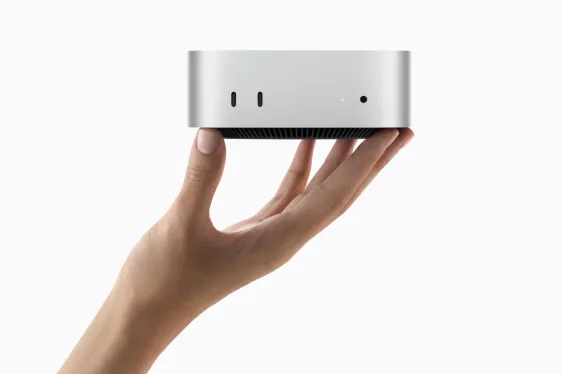
Memory is particularly important because it is used across an enormous range of electronic products.
If shortages continue, other manufacturers could face similar decisions. Companies may have to choose between absorbing higher costs, reducing product margins, redesigning devices with cheaper components or raising prices.
For consumers, that could mean the era of consistently falling electronics prices becomes more uncertain.
Amazon’s decision is therefore about more than a few expensive Echo speakers or Fire TV devices. It reflects the pressures affecting the wider technology supply chain and demonstrates how changes in semiconductor demand can eventually reach everyday shoppers.
Whether the latest price increases remain in place will depend heavily on the global memory market. If supply improves and component prices decline, Amazon could have greater flexibility to reduce prices or increase discounts. If shortages persist, higher hardware prices could become the new normal.
For now, Amazon appears to be passing a larger share of its hardware costs on to customers. With some products reportedly seeing increases of up to 60%, consumers who were considering buying an Echo, Fire TV, Kindle or Eero device may now have another factor to consider: whether Amazon’s ecosystem is worth the significantly higher price.
The move serves as a reminder that the global technology market is closely connected. A shortage in one part of the semiconductor industry can eventually affect products sitting on store shelves around the world, even when those products have little direct connection to the technology driving the original demand.