Rishikesh. In India’s diverse cultural tradition, festivals are vibrant celebrations of philosophy of life, gratitude towards nature, folk culture and social harmony. Onam is one such unique festival, which has emerged from the land of Kerala and has today become a symbol of the vast consciousness of ‘unity in diversity’ of entire India.
Onam is mainly a festival of gratitude for harvest, prosperity and food. Starting from Atham in the Chingam month of the Malayalam calendar and lasting ten days till Thiruvonam, this festival is today not limited to Kerala only, but is celebrated with devotion and enthusiasm by the Malayali community across the world.
Onam festival is associated with King Mahabali and Vaman incarnation of Lord Vishnu. Mahabali was a just, generous and pro-people king. There was prosperity, equality and happiness during his reign. Lord Vishnu took the form of Vamana and asked for three steps of land from him. Mahabali kept his promise and when Vaman assumed the form of a giant and measured the earth and the sky in two steps, then Mahabali offered his head for the third step. Pleased with his devotion, sacrifice and integrity, Lord Vishnu allowed him to meet his subjects once a year. There is a tradition of celebrating Onam in memory of this annual arrival.
Onam is a very beautiful example of social harmony and public unity in Indian culture. Another important dimension of Onam is gratitude towards food and agriculture. After the rainy season, Chingam month brings the message of new hope and prosperity for the farmers. This festival of gratitude for the new crop in the fields, abundance of food in our homes and greenery in nature reminds us that every grain that reaches our plate is the result of a farmer’s hard work, the fertility of the soil, the grace of water and the energy of the sun.
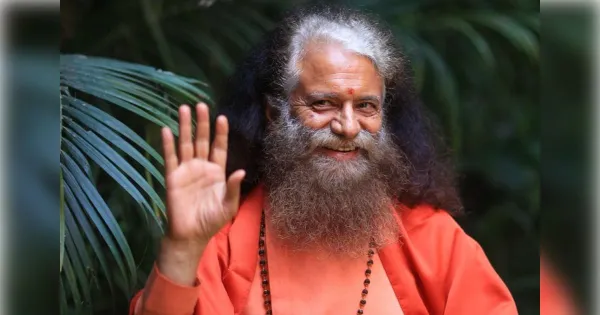
While wishing Onam, Swami Chidanand Saraswati said that Onam means prosperity. The message of Onam is, respect the food, respect the food giver and share the food as Prasad. True culture is to be grateful to the land that gave us food, the water that irrigated the fields and the farmer who filled our plates with his labor. Festivals are meaningful only when they awaken within us the spirit of service, compassion, harmony and nature conservation.
He said that today when the world is facing challenges like climate change, water crisis, soil erosion and food security, India’s traditional agricultural festivals can also give an important direction to the modern world. Considering the earth as a mother and not just a resource; Considering food not just as a commodity but as Prasad and considering the farmer as not just a producer but as a provider of food, this is the Indian vision of life.
Swami said that today there is a need that we should make the basic message of the festivals a part of our life. Pookkalam of Onam gives us the message that different colors and flowers together create beauty. Today Onam is a celebration of that eternal consciousness of India which says, may there be prosperity for all, should there be food, joy and respect in everyone’s life and should there be a relationship of love between nature and humans.