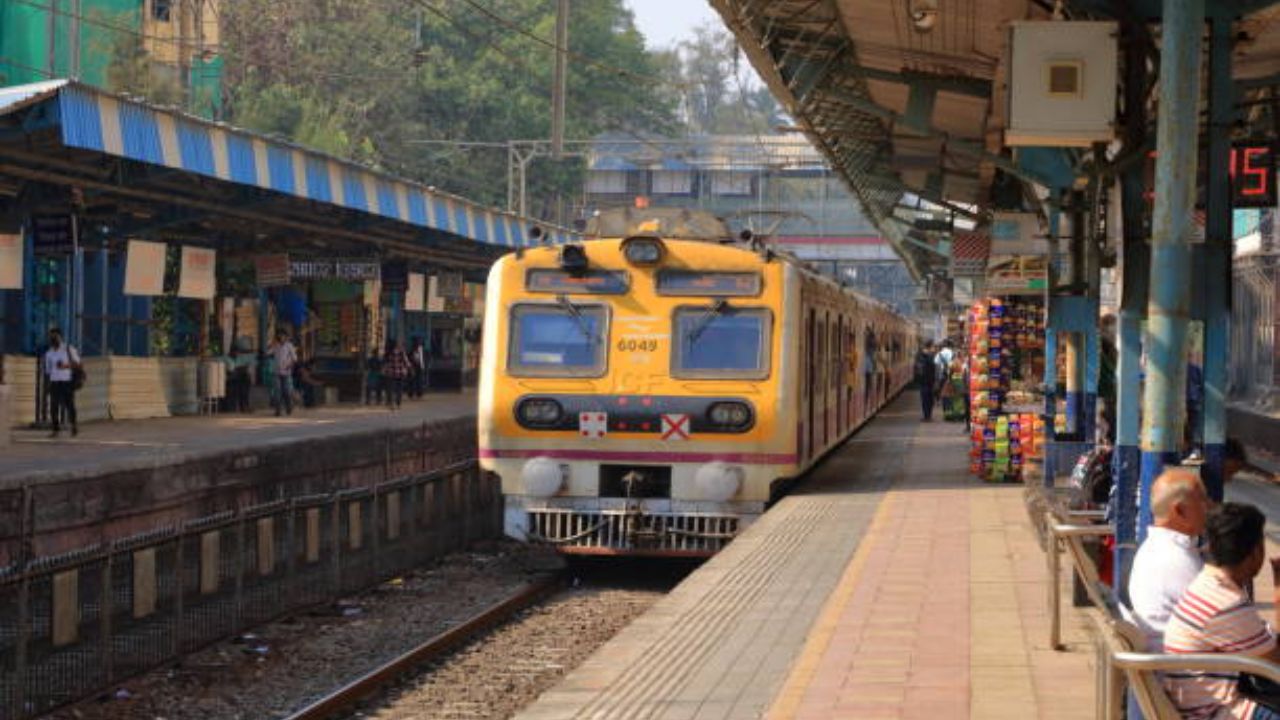
Indian Railways: Railway Even if there is no shutdown for some time, Mumbaikars are suffering. We pronounce the name of a station very easily. Mumbai Central, Bandra Terminus, Kalyan Junction are just words on our lips. We all have heard the words central, junction and terminus while traveling by train. But do you know the difference between 'central', 'junction', 'station' and 'terminal or terminus'? If not, today we are making the difference between them very simple.(Photo courtesy – istock)
Teachers Day 2026: Challenges faced by modern day teachers! It is necessary for teachers to understand Swadharma to make students
First of all what is 'Central'? Let's find out
When a railway station is called 'Central', it means that it is the busiest railway station in the city and there are many other railway stations in that city. These stations are called 'central' because trains departing from here connect all parts of the country. Many trains depart from here. There are few stations central in India out of which one is Mumbai Central and one is Kanpur Central.
View this post on Instagram
Now let's understand what exactly is 'Junction'
Junction is an English word which means 'joiner' in Marathi. Hence, any station where two trains can arrive and depart simultaneously from different tracks is called a junction. Moreover, there are three routes for trains at railway junctions. Railway junctions are much larger than stations. According to reports, there are more than 300 junctions in India.
What is Terminal?
Terminal is also known as terminus. A terminal is a station from which a train cannot proceed. This means, it is the last railway station without any railway tracks. The train arrives at the terminal and then proceeds from the same place from where it started. At present there are 27 terminals in our country.
How long is load shedding legally allowed in rural areas? Where and how can you file a complaint regarding this? find out
What exactly are stations?
All the stations from where we catch the train are called stations. Railway stations are smaller than those at intermediate, junction and terminus stations. They provide rail connectivity to smaller towns. Moreover, railway stations which are not intermediate, junction or terminal are also called railway stations. As the stations are small, trains don't get much time to stop there. Here the train stops for just a few minutes and people board it and leave.