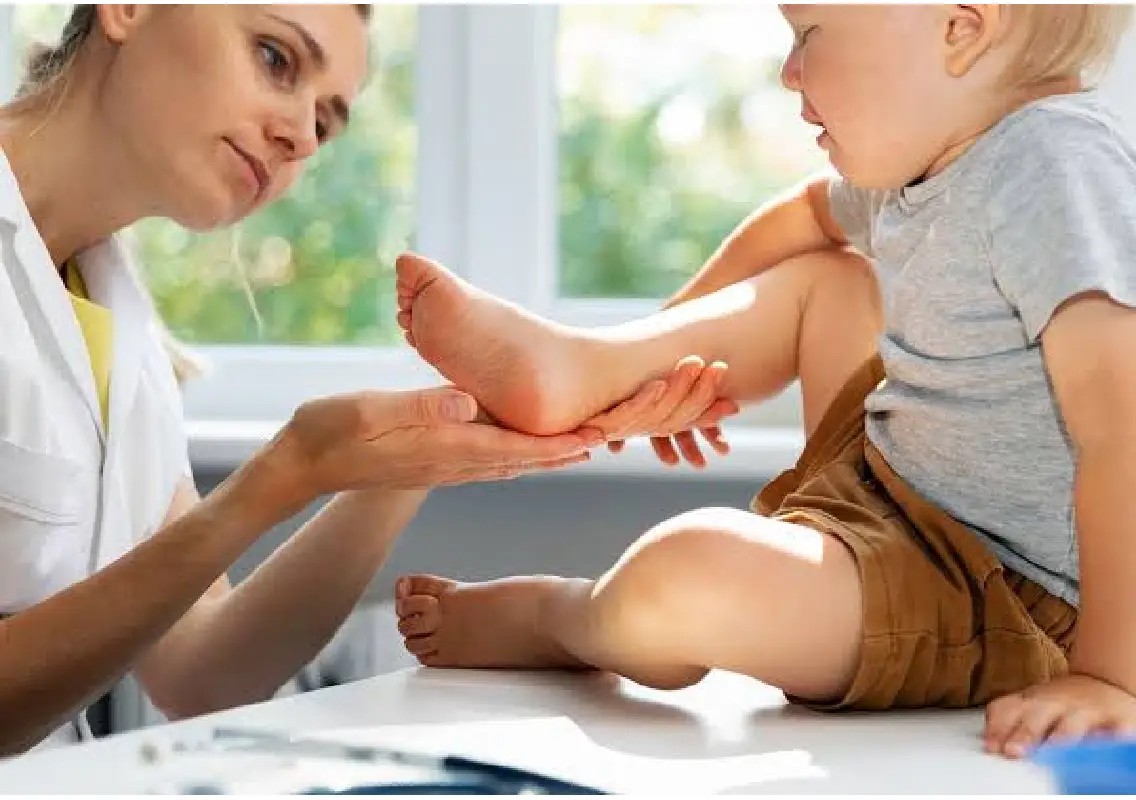
Arthritis is not only an adult health concern. Juvenile arthritis is the most common form of arthritis in children under 16 and, in some cases, can begin as early as the first year of life. Early recognition and treatment are important because prolonged inflammation can affect a child’s joints, eyes, growth and overall wellbeing.
The most common form is juvenile idiopathic arthritis (JIA), which causes inflammation in the tissue lining the joints. It is classified into different types based on factors including the number of joints affected and laboratory findings.
Swelling and restricted movement can be early signs
Common symptoms of juvenile arthritis include joint pain, swelling and restricted movement. In some forms involving systemic inflammation, children may also develop fever and swelling affecting internal organs.
Dr A Aravindan, Assistant Professor in the Department of Rheumatology at SRM Institute of Science and Technology, Kattankulathur, said parents often notice that a child is having difficulty moving a joint or that swelling has appeared.
For younger children who may struggle to describe pain clearly, changes in movement or reluctance to use an arm or leg can therefore be important signs to discuss with a doctor.
Not every case of joint pain is juvenile arthritis
Joint symptoms in children can have several causes. Infections are among the conditions doctors consider when evaluating children with joint inflammation.
Dr Varaprasad Narayanaswamy, Assistant Professor at Government Medical College, Omandurar, Chennai, noted that bacterial and viral infections can cause joint-related problems in children. Acute rheumatic fever, which can follow an untreated Group A streptococcal infection, is another important cause of inflammatory joint symptoms.
Unlike JIA, rheumatic fever can cause migratory polyarthritis, in which inflammation moves from one large joint to another.
Delayed treatment can affect growth and eyesight
Children diagnosed with juvenile arthritis may require more than treatment for joint inflammation. Their care can include regular medical reviews, laboratory tests, growth monitoring, nutritional guidance and counselling.
Eye examinations are also important because some children with JIA can develop uveitis, an inflammation inside the eye that may not always cause obvious symptoms initially.
Doctors stress that prolonged inflammation and delayed treatment can lead to complications, including problems with joint function and growth. Early assessment can help identify the underlying cause of symptoms and ensure that appropriate treatment and monitoring begin as soon as possible.