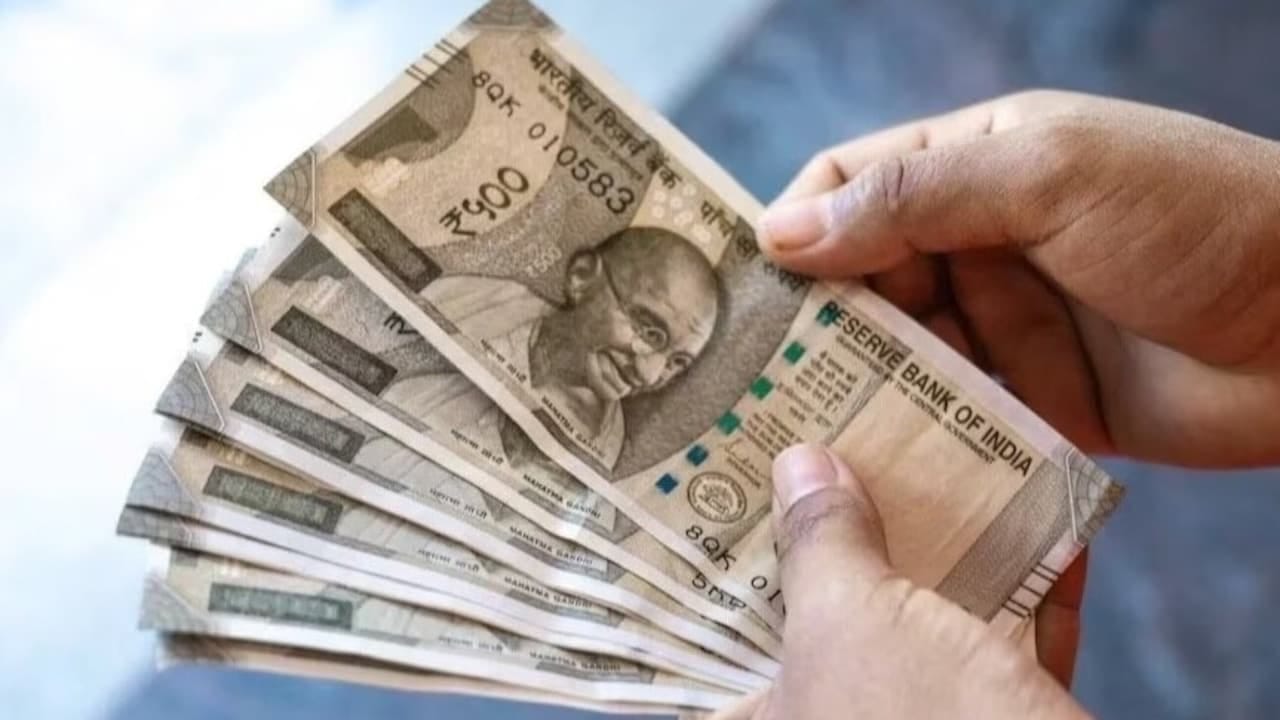
Monthly Saving Tips: In today’s time, digital payment has made spending money very easy. Payment is made through UPI in a few seconds and many times one does not even realize that a small amount has been spent. On the other hand, people still use cash for many everyday needs. In such a situation, if records of both types of expenses are not maintained, it may be difficult to guess where the major part of the month’s earnings has gone.
If at the end of the month you also feel that despite good income, you are not able to save, then first of all it is important to look at your spending pattern. By keeping records of cash and online payments systematically, non-essential expenses can be identified.
Create separate records for cash and UPI
Make a habit of noting down expenses from the beginning of the month. Cash payments and UPI transactions can be recorded separately. For example, if payment for vegetables, milk, auto or small purchases is made in cash, then write it in the cash record.
Enter mobile recharge, electricity bill, online shopping, food ordering or any other digital payment in the UPI section. By looking at both the records at the end of the month, it will be easier for you to understand the complete pattern of expenditure.
Do not ignore even the expenditure of Rs 50-100
Big expenses are not always responsible for spoiling the budget. Even small daily payments can turn into a substantial amount over a month. Rs 20, Rs 50 or Rs 100 spent on tea, snacks, cabs, online delivery or small shopping may seem insignificant when seen individually, but when added up the picture can change.
So no matter how small the expense, make it a habit to record it. The app’s transaction history can be viewed for UPI payments, while cash spends can be recorded in mobile notes or diary.
Write not only the amount but also the reason for the expenditure.
meaning of budgeting Don’t just write down how much money was spent. It is also important to know what the money went to. For this, expenses can be divided into some easy categories.
For example, create separate categories for household items, food and drinks, travel, mobile and other bills, shopping, entertainment and other essential expenses. Calculate the total expenses of each category at the end of the month. This will help you understand where the biggest part of your income is going.
Review expenses on the last day of the month
At the end of the month, take a few minutes to look at the entire list. First add up the cash and UPI expenses and then compare the total expenses with your monthly income.
Suppose your monthly income is Rs 30 thousand and you spend Rs 24 thousand in the whole month. In this situation, Rs 6 thousand were left. Now if next month you identify that Rs 2,000 was spent on non-essential purchases, then you can try to increase savings by reducing that portion.
Don’t wait for the end of the month to save
An easy way to save is to set aside a certain amount of money once you get an income. After this, plan the remaining expenses of the month with the remaining money.
This way, the savings will not just be an accidental amount left at the end of the month, but will become a part of your monthly financial plan. Reviewing your expense records regularly will also help you understand your habits and make changes to your budget as needed.
A small habit can change your entire budget (Monthly Saving Tips)
Be it cash or UPI, keeping records of expenses in itself does not guarantee saving money. But this makes it clearly visible where the money is going. On the basis of this information, a decision can be taken to reduce unnecessary expenses and make a better plan for savings.