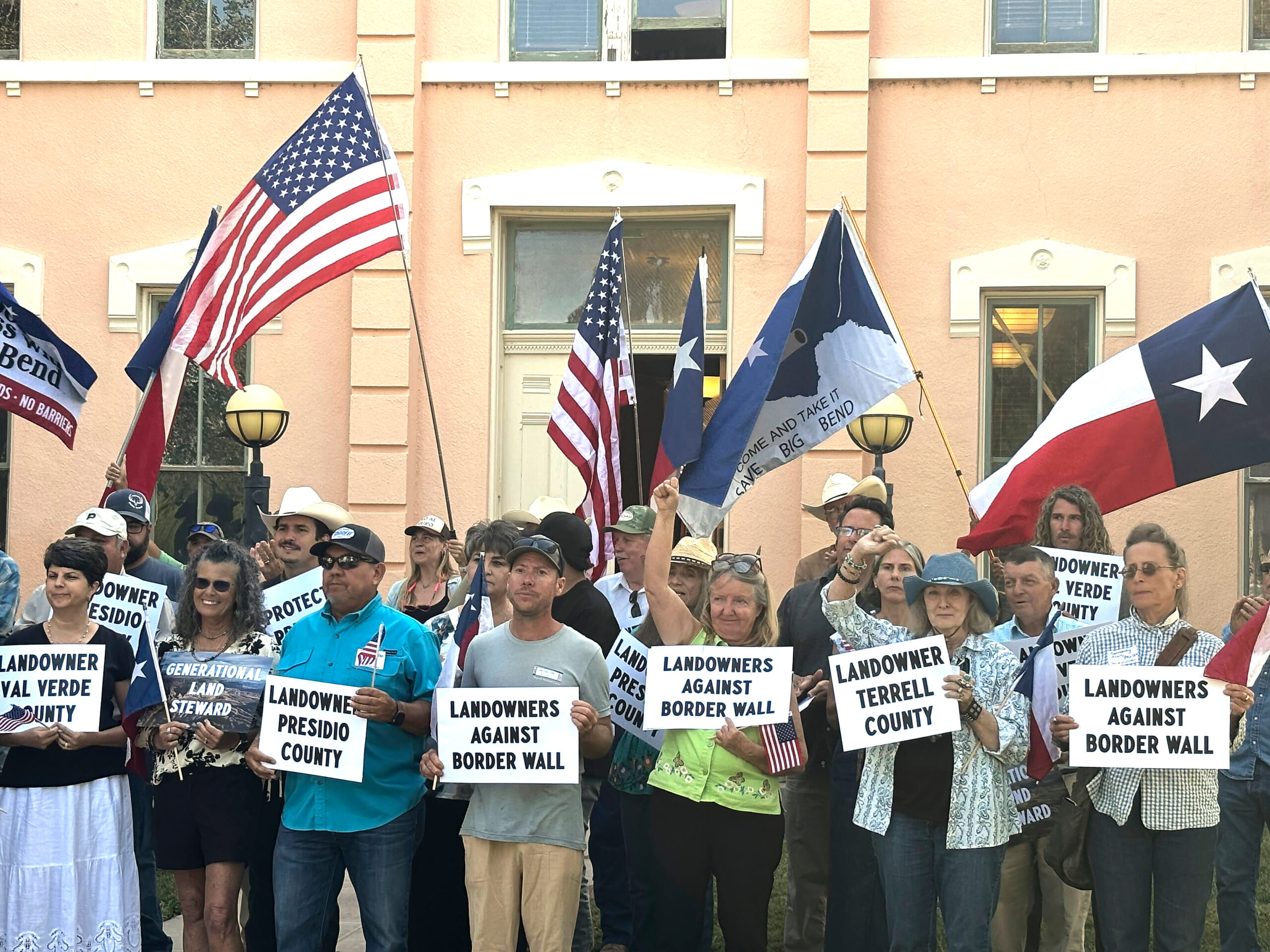
Trump Administration Begins Border Wall Construction in Texas’ Big Bend Region/ TezzBuzz/ WASHINGTON/ J. mansour/ The Trump administration has started installing border wall panels in Texas’ Big Bend region as part of its $46 billion border-security initiative. Customs and Border Protection confirmed that construction is underway along a 47-mile project area in Hudspeth County. Landowners, ranchers and environmental advocates continue opposing projects across the remote region, citing property, environmental and cultural concerns.
Quick Look
- Border wall panel installation has begun in Hudspeth County.
- The construction covers a 47-mile project area known as Big Bend 1.
- Five federal project areas span the roughly 500-mile Big Bend region.
- Plans include 30-foot steel barriers, roads and detection technology.
- CBP says it is constructing an average of 12 miles of barriers weekly.
- The agency reports completing 200 miles since Trump returned to office.
- Work near Big Bend National Park remains temporarily suspended.
- Regional landowners and organizations have filed a lawsuit opposing the plans.
- Some property owners have denied federal officials and contractors access for surveys.
Deep Look
Border wall construction starts in remote West Texas
COMSTOCK, Texas — The Trump administration has begun installing border wall panels in the Big Bend region of West Texas, opening a new phase of construction in an area where federal plans have generated sustained opposition.
U.S. Customs and Border Protection confirmed that “border wall panel installation is underway” within a 47-mile section of Hudspeth County known as Big Bend 1.
A photograph posted on the agency’s online construction map showed a crane lifting one of the 30-foot steel panels while workers watched nearby. CBP did not specify when installation began.
The project is the first major wall construction in a region where landowners, ranchers, business operators and environmental organizations have organized against the administration’s plans.
Five projects span the broader Big Bend region
Big Bend 1 is one of five designated project areas across approximately 500 miles of the Texas-Mexico border.
The broader region extends from Hudspeth County, south of El Paso, to Lake Amistad. Much of the terrain is remote, mountainous or desert, and the Rio Grande forms the international boundary.
The Hudspeth County work is separate from a proposed border infrastructure project inside Big Bend National Park. Construction activity within the park was temporarily suspended while federal officials conducted outreach and additional evaluation following public opposition.
The pause inside the national park followed concerns about roads, surveillance systems, environmental damage and culturally significant areas.
Project is part of a $46 billion border plan
The construction forms part of the administration’s $46 billion initiative to expand physical and technological infrastructure across the southern border.
The wider plan includes:
- Thirty-foot steel bollard walls.
- Vehicle barriers intended to prevent unauthorized crossings.
- New and improved Border Patrol roads.
- Cameras, sensors and other detection systems.
- Supporting infrastructure for agents and contractors.
President Donald Trump has made completing the border wall a central immigration and border-security commitment.
CBP says it is now constructing an average of 12 miles of barriers each week along the approximately 2,000-mile border with Mexico. That rate is twice the pace previously cited by agency Commissioner Rodney Scott.
The agency also reports that 200 miles of new barriers have been completed since the second Trump administration began.
Opponents question the need for a Big Bend wall
Opponents argue that Big Bend’s remote geography and relatively low number of migrant encounters do not justify extensive wall construction.
The region accounts for about one-quarter of the U.S.-Mexico border but approximately 1% of border arrests, according to CBP figures cited in litigation challenging the project.
Critics say building walls, access roads and surveillance infrastructure could damage wildlife habitats, disrupt private property and affect tourism.
The region includes Big Bend National Park, ranches, small communities and privately owned land along the Rio Grande. Tourism connected to the area’s landscapes and outdoor recreation is an important source of local business activity.
Activists report equipment moving into the area
Clara Benson, a founder of the No Big Bend Wall Coalition, said the organization had received reports that trucks were transporting supplies into remote areas along the Rio Grande.
She said contractors had also cleared sites where construction materials could be stored and organized.
Benson spoke from Washington, where members of the coalition were meeting with lawmakers about the projects. She said the start of panel installation would not end their campaign.
“We will continue to fight for this land no matter what the outcome is. We will continue fighting to the end,” said Benson. “You talk to people in west Texas and they say even if they put it up, we’ll fight for them to take it down. So this fight is not over.”
Landowners file lawsuit to stop construction
Landowners, ranchers and business owners joined a regional conservation organization earlier in the week in filing a lawsuit seeking to stop the administration’s Big Bend projects.
The plaintiffs dispute the federal government’s justification for construction and challenge the use of authority that allows the Department of Homeland Security to waive environmental, historical and cultural-preservation requirements.
They argue that construction could interfere with private land, water access, archaeological resources, religious sites and the area’s landscape.
The lawsuit contends that the government is improperly using its waiver authority in a region with relatively little unauthorized border traffic.
Federal officials maintain that Congress has granted the Department of Homeland Security broad authority to waive certain legal requirements when constructing border infrastructure.
Private property complicates construction plans
Much of the Texas border differs from federal land in other southwestern states because large sections are privately owned.
That ownership pattern requires the government to negotiate access, purchase property or initiate legal proceedings before completing construction in some locations.
Several Big Bend landowners have refused to allow federal officials or government contractors onto their property to conduct surveys.
Residents and activists have also appeared at county government meetings to urge local officials not to assist contractors working for CBP.
These disputes could affect the speed and route of construction outside federally controlled areas, even as panel installation advances in Hudspeth County.
Opposition extends beyond Big Bend
The administration’s wider border construction program has encountered challenges from several groups and communities.
Environmental organizations have raised concerns about habitat fragmentation and effects on wildlife movement. Native American groups have said construction threatens sacred locations and cultural resources.
Officials in at least one small Texas community have argued that a wall incorporated into an existing levee system could increase flooding risks. A federal judge nevertheless allowed the Department of Homeland Security to continue that project, finding that the legal challenge was unlikely to succeed.
That ruling involved construction through the levee system in Presidio, another West Texas border community.
The disputes illustrate how the administration’s plan to expand barriers across the entire southern border is encountering different legal, environmental and property issues from one location to another.
Construction advances while legal fight continues
Installation in the Big Bend 1 project area demonstrates that the administration is moving forward wherever it has legal access and completed preparations.
The lawsuit and local opposition have not yet produced a court order stopping the Hudspeth County work. Construction inside Big Bend National Park remains a separate matter and is subject to its temporary pause.
As federal contractors install the first panels, opponents say they will continue using litigation, political advocacy and restrictions on access to private land to challenge the remaining projects.
More on US News