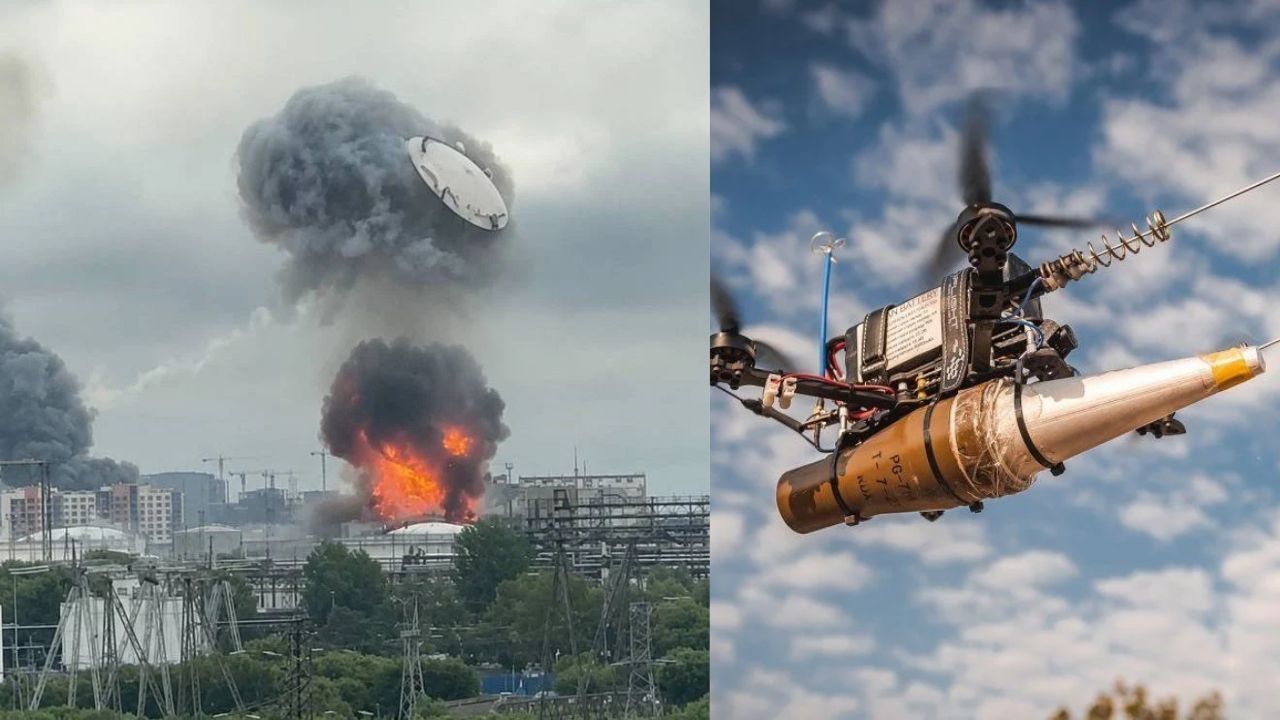
Moscow: A Ukrainian drone strike on Sunday reportedly targeted Russia's Kapotnya oil refinery in Moscow, bringing the battle over energy infrastructure into the center of the ongoing Russia-Ukraine conflict. The facility is one of the key fuel-processing units serving the Moscow region and plays an important role in supplying gasoline and diesel to the capital area.
The reported attack comes at a time when both Russia and Ukraine are increasingly targeting strategic infrastructure linked to fuel, power and logistics. The latest strike has raised fresh questions over Russia's energy security and the wider impact of the conflict on global oil markets.
Ukraine Drone Strike Targets Key Moscow Fuel Facility
According to Russian officials and state media reports, Ukrainian drones struck the Kapotnya oil refinery located in southeastern Moscow. The refinery, considered one of Russia's important fuel-processing facilities, has an estimated production capacity of around 280,000 barrels per day. It supplies a significant portion of gasoline and diesel requirements for Moscow and nearby regions.
Following the reported drone strike, flames and thick smoke were seen rising from the refinery area. Emergency teams responded to the situation, while authorities continued assessing the extent of damage. Russian officials did not immediately confirm details about casualties or the operational impact of the attack.
Energy Infrastructure Becomes New Frontline In Russia Ukraine War
The Moscow refinery strike highlights how energy facilities have become a major target in modern warfare. Ukraine has repeatedly carried out drone attacks on Russian oil refineries, fuel storage sites and energy infrastructure. Kyiv's strategy has focused on affecting Russia's fuel supply chain, military logistics and economic capacity.
Russia, one of the world's largest oil producers and exporters, has faced increasing pressure on its refining network due to repeated attacks on energy installations. The strikes have created concerns over domestic fuel availability and the ability of Russian refineries to maintain normal operations.
Kapotnya Refinery Faced Earlier Drone Attack Too
The latest incident is not the first time the Kapotnya refinery has come under attack. Earlier reports indicated that Ukrainian drones had targeted the same facility, causing disruption to refinery operations.
Several other Russian energy sites have also been targeted in recent months, making fuel infrastructure one of the most sensitive areas in the Russia–Ukraine conflict. Moscow has strengthened air defense measures around major cities and strategic facilities to prevent further drone attacks.
Russia And Ukraine Exchange Long-Range Strikes
The reported Moscow refinery strike came amid continued military operations between Russia and Ukraine. Russian forces have carried out missile and drone attacks on Ukrainian cities, including Kyiv, while Ukrainian forces have increased long-range drone operations against Russian territory.
The attacks show a shift in battlefield strategy, where both sides are attempting to damage critical infrastructure far beyond traditional frontline areas.
Trump Peace Efforts Face New Challenge
The latest escalation comes amid international diplomatic efforts focused on reducing tensions between Russia and Ukraine. US President Donald Trump has previously spoken about limiting attacks on energy infrastructure as part of efforts to move toward a possible settlement.
However, the reported strike on Moscow's refinery has raised concerns over whether agreements related to energy targets can hold while fighting continues. Ukrainian President Volodymyr Zelenskyy has also held discussions with international leaders regarding diplomatic efforts and security coordination.
Global Oil Markets Watch Russia Energy Crisis
The attack has increased attention on the possible impact on global energy markets. Russia plays a major role in global oil production and fuel exports. Any disruption to refinery operations could affect fuel availability, transportation costs and market confidence.
Energy experts are monitoring whether repeated drone strikes could create long-term pressure on Russia's refining capacity and influence international fuel prices. The Moscow refinery incident also highlights the growing connection between military conflicts and global energy stability.
Public Impact, Security Concerns Rise In Moscow
For residents of Moscow, repeated drone incidents have increased concerns about security in and around the Russian capital. Authorities have reported intercepting drones targeting Moscow and nearby areas in recent weeks. Some previous incidents caused damage from falling debris, although major casualties were not reported.
The latest refinery attack has renewed debate over the protection of critical infrastructure in major cities. The Moscow refinery strike could further intensify the energy dimension of the Russia-Ukraine war.
Ukraine is expected to continue focusing on strategic targets linked to Russia's military and economic network, while Moscow is likely to strengthen its air defense systems around key facilities.