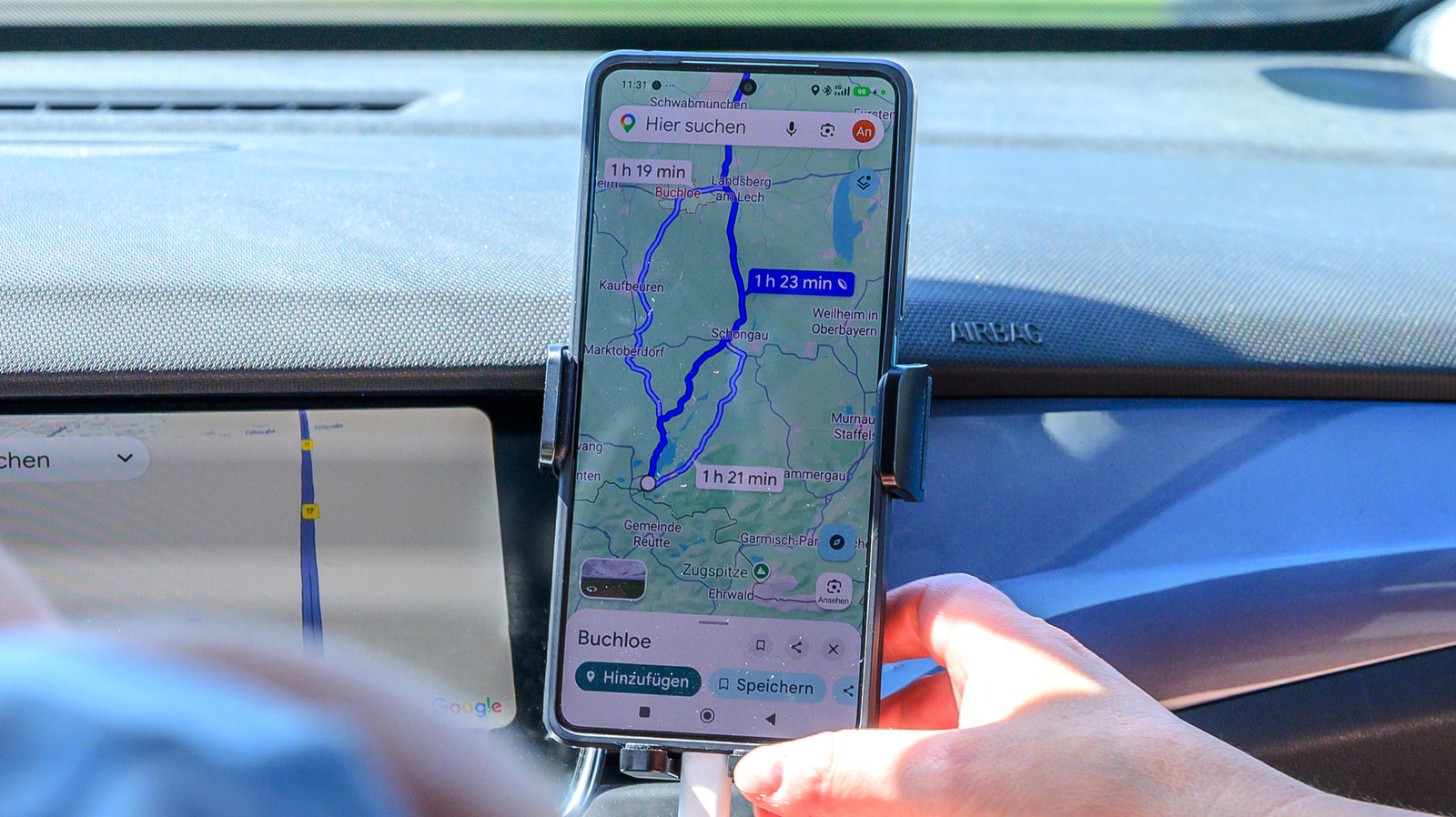
There are many different alternatives to Google Maps, but the tech giant’s navigation app is still the most-used by a significant margin. There are plenty of good reasons for that: Among other things, it’s generally regarded as being easy to use, highly accurate, and packed with useful additional information aside from just navigation directions.
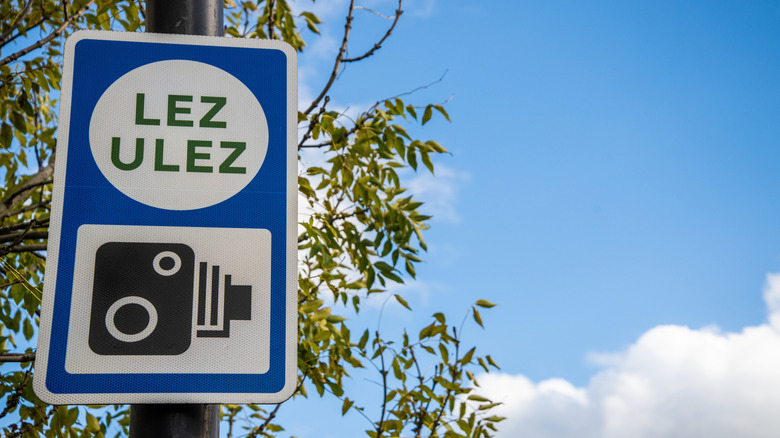
The types of additional information you might encounter while using Google Maps can vary depending on where you are in the world. If you’re traveling in Europe, you might have seen a circled icon with a “Z” in the center. That icon pops up when Google Maps detects that there’s a Low Emissions Zone (LEZ) or Ultra-Low Emissions Zone (ULEZ) on your chosen route.
These restriction zones are designed to reduce air pollution in urban areas, and they can be found in many of Europe’s major cities. London, for example, has an ULEZ that requires drivers of cars that don’t meet the latest emissions standards to pay a daily toll of £12.50 (roughly $16.80) if they want to drive within the city. Cars traveling in and out of the zone are monitored by cameras that automatically read license plates, and any driver who doesn’t pay the charge can expect to receive a fine of £180 (around $242).
The London ULEZ covers the majority of the city, but not every clean air zone is quite as comprehensive. A couple of hours’ drive north in Birmingham, the Low Emissions Zone covers only the very center of the city. Area restrictions, charges, and payment methods can vary a lot between different cities and countries, which is why the circled “Z” icon is well worth paying attention to if you see it.
Google often offers extra information alongside the icon
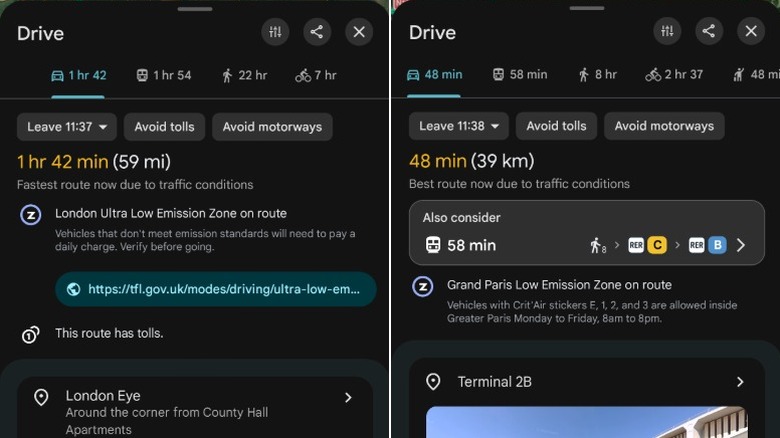
If you’re not familiar with the emissions rules in a certain city, the task of working out if you need to pay and, if so, how to pay, can feel daunting. Google Maps can usually help out here, since if you tap on the route details when a circled “Z” icon has appeared, the app will often display information about the emissions zone that you’re headed to.
Asking for directions through emissions zones in major cities like Paris, Berlin, and London should all result in Google Maps displaying information about the restrictions for that particular zone, but information might be more limited in other cities around the continent.
It’s also worth keeping in mind that not every restricted zone in every city is necessarily marked on Google Maps. To take an example, the popular tourist city of Oxford in the U.K. currently has a small Zero Emissions Zone that covers a handful of roads in the center of the city, but at the time of writing, navigating to a road within that zone does not bring up the circled “Z” warning icon. Much like the other restricted zones, vehicles that don’t meet the necessary emissions requirements will need to pay a daily charge to enter the zone and will be fined if they don’t pay.
How do I know if my vehicle needs to pay a toll?
The restricted zone in Oxford is unusual because it is a Zero Emissions Zone rather than a LEZ or ULEZ, and that means any vehicle that isn’t all-electric has to pay a daily charge. In contrast, most other cities with restricted emissions zones around Europe allow modern, efficient gas-powered cars to enter without charge. Most cars in the fleets of major car rental companies like Enterprise and Sixt will be compliant with the latest emissions standards and will therefore be exempt from emissions charges in the majority of cases. If you’re in any doubt, it’s best to check with your rental car provider.
Confusingly, cities like London also enforce a congestion charge that applies to a smaller area within the city. This is a separate fee to the emissions zone toll, and will come with its own fine if it isn’t paid. Congestion charges usually apply regardless of a car’s emissions status, including to rental cars.
The long list of zones and charges that are unavoidable when driving around European cities can be a headache for American drivers — after all, no city in the U.S. has a Low Emissions Zone. Any travelers who are staying in mostly cities and urban areas might find it easier to use public transport such as trains instead, especially since Europe has some of the fastest passenger trains in the world.