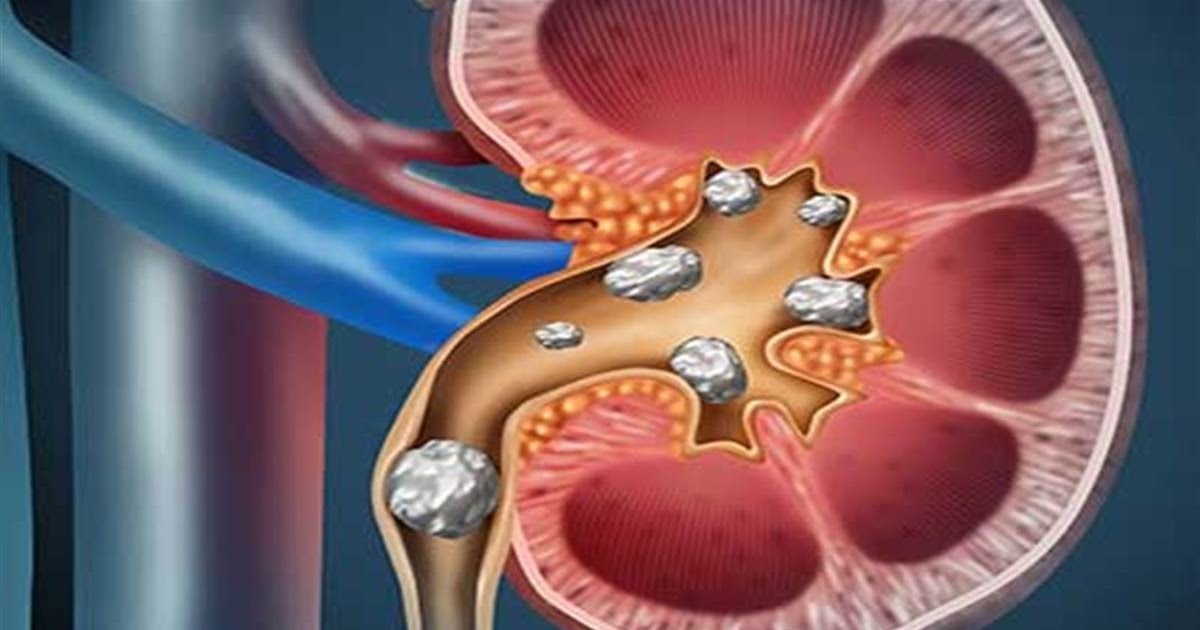
Health Desk. Kidney stones are a common health problem. When some minerals and salts present in urine start accumulating by forming small crystals, they can gradually take the form of stones. Small stones sometimes pass out of the body without causing any particular problem, but larger stones can cause pain and problems related to urination.
1. Severe pain in the waist and abdomen
The most common symptom of kidney stones is sudden, severe pain on one side of the waist or abdomen. This pain can also extend to the lower abdomen or upper thigh. Sometimes the pain increases or decreases.
2. Burning or pain while urinating
If the stones reach the urinary tract, burning, stinging or pain may be felt while urinating. There may also be a desire to urinate frequently.
3. Blood in urine
In some cases, stones can damage the inner surface of the urinary tract. Due to this, the color of urine may appear pink, red or brown. If blood is seen in urine, it is necessary to get medical examination done.
4. Frequent urination
Kidney stones can cause the problem of frequent urination. At the same time, if the stone creates obstruction in the urinary tract, then problems like difficulty in urinating or reduced amount of urine can also occur.
5. Nausea, vomiting and fever
Some people may experience nausea or vomiting along with the severe pain caused by the stones. If it is accompanied by fever or chills, it can be a sign of urinary tract infection and in such a situation it is important to seek medical help immediately.
When to immediately contact a doctor?
Conditions like severe or persistent pain, fever along with shivering, blood in urine, complete cessation of urination or persistent vomiting should not be ignored. The doctor may recommend urine test, blood test, ultrasound or other tests as per need. With timely investigation, the size and condition of the stone can be detected.