7 Health Benefits of Eating Nuts Regularly: From Heart Health to Better Sleep
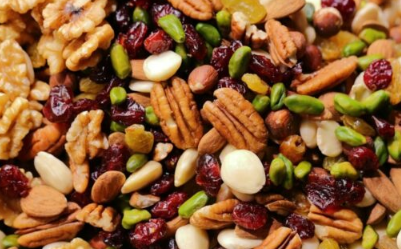
Nuts may be small, but they are packed with nutrients that can support overall health. Almonds, walnuts, pistachios, cashews, pecans and other tree nuts provide healthy fats, protein, fibre, vitamins, minerals and antioxidants.
Adding a moderate amount of nuts to a balanced diet may offer several potential health benefits. Here are some of the reasons why regularly eating nuts can be a healthy choice.
1. May Support Colon Health
Nuts provide fibre, healthy fats and plant compounds that can support digestive health. Walnuts, in particular, contain polyphenols and other nutrients that may benefit the gut microbiome.
Some research has also associated regular nut consumption with a lower risk of colorectal cancer, although eating nuts alone cannot prevent cancer.
2. May Benefit Liver Health
Nuts contain unsaturated fats, fibre, antioxidants and vitamin E. These nutrients can be part of a balanced eating pattern that supports metabolic and liver health.
Replacing foods high in saturated fats with healthier sources of unsaturated fats, such as nuts, may be beneficial for overall nutrition.
3. May Support Brain Health
Nuts contain nutrients important for normal brain function, including healthy fats, vitamin E and antioxidant compounds. Research has explored associations between regular nut consumption and better cognitive health.
However, nuts should be considered one part of an overall healthy lifestyle rather than a standalone way to prevent cognitive decline.
4. May Help With Sleep
Walnuts naturally contain melatonin, while several nuts provide nutrients involved in normal nervous-system function. Including nuts as part of a balanced diet may therefore contribute to healthy sleep habits.
Good sleep, however, also depends on factors such as regular sleep schedules, stress management and limiting excessive caffeine.
5. May Support Heart Health
Nuts are particularly known for their heart-friendly nutritional profile. Their unsaturated fats, fibre and plant compounds may help support healthy cholesterol levels when they replace less healthy foods in the diet.
Regular nut consumption has been associated with better cardiovascular health in several studies.
6. May Support Healthy Cholesterol Levels
Almonds, walnuts, pistachios and other tree nuts contain unsaturated fats and other nutrients that can help improve the overall quality of the diet.
Replacing highly processed or saturated-fat-rich snacks with a small serving of unsalted nuts can be a practical dietary choice.
7. Provide Important Nutrients
Different nuts offer different nutritional benefits. Walnuts, almonds, pistachios, pecans, cashews, Brazil nuts and hazelnuts can provide fibre, protein, healthy fats, vitamin E, magnesium and antioxidants.
For most people, a small serving of unsalted nuts can be an easy way to add nutrient-dense food to everyday meals and snacks.
How Much Is Enough?
Nuts are nutritious but also calorie-dense, so portion size matters. A small handful is generally enough for a snack. Choosing unsalted and minimally processed varieties can help keep added sodium and unnecessary ingredients lower.
Overall, nuts can be a valuable part of a balanced diet. Their potential benefits are strongest when they are included alongside vegetables, fruits, whole grains, legumes and other nutrient-rich foods.
Disclaimer: This article is for general informational purposes only and does not replace professional medical advice. Individual nutritional needs can vary, especially for people with allergies, kidney problems or other medical conditions.