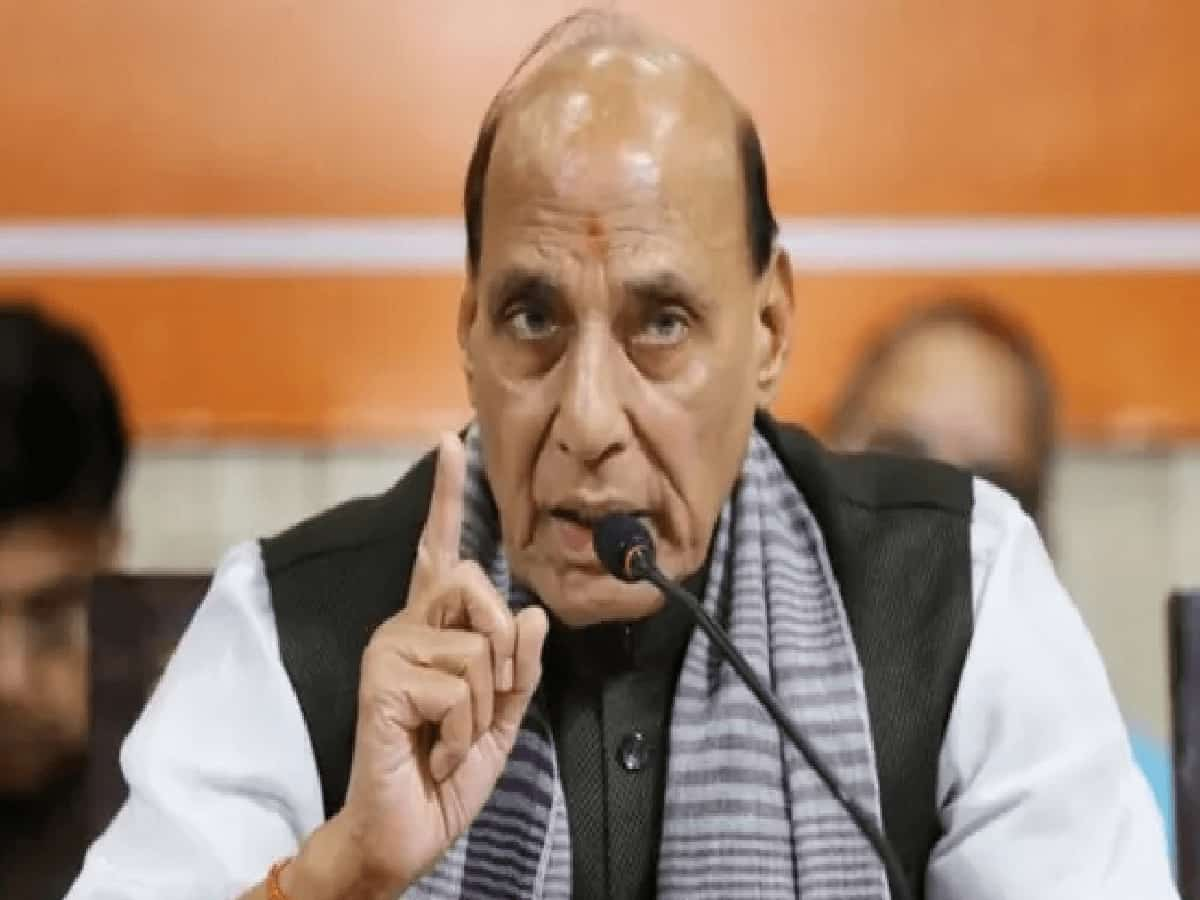
In a significant diplomatic mission to reinforce regional connectivity and economic synergy across Eurasia, Defence Minister Rajnath Singh is set to represent India at the 25th meeting of the Council of Heads of Government (CHG) of the Shanghai Cooperation Organisation (SCO). Scheduled to be hosted in Dushanbe, Tajikistan, on October 19 and 20, 2026, the high-level multilateral summit brings together key leaders from across the transregional bloc to calibrate policy on trade, financial integration, and trans-border connectivity. With geopolitical dynamics shifting across Central Asia, New Delhi is aiming to utilize the multilateral forum to deepen practical economic engagement, promote indigenous digital public infrastructure, and enhance institutional cooperation among member states.
Advancing Practical Cooperation: Trade, Connectivity, and Innovation on the Agenda
The Dushanbe summit is designed to target actionable economic frameworks and cross-border partnerships:
Core Focus Areas: Deliberations among SCO member states will concentrate on vital developmental pillars, including trade expansion, transit connectivity corridors, investment facilitation, joint technological innovation, and cultural-humanitarian exchanges.
Showcasing Indian Initiatives: As confirmed by the Ministry of Defence, New Delhi will highlight its substantial contributions to regional cooperation, specifically presenting India’s leadership in startup ecosystems, youth entrepreneurship, digital public infrastructure (DPI), and people-to-people diplomatic exchanges.
Institutional and Financial Review: Delegations will evaluate ongoing intra-bloc cooperation programs and deliberate on statutory decisions regarding the organizational, financial, and administrative functioning of the SCO Secretariat.
Bilateral Engagements: The two-day ministerial convention will provide an opportunity for the Indian delegation to conduct productive exchanges with regional counterparts to advance mutually beneficial trade and transit solutions.
India’s Strategic Presence in the SCO: Maintaining Continuous Engagement
India’s participation in the Council of Heads of Government reflects its balanced, active presence across multilateral platforms:
Previous Ministerial Representation: At the previous CHG gathering held in Moscow on November 18 last year, External Affairs Minister S. Jaishankar represented New Delhi, driving discussions on alternative payment mechanisms and secure supply chains.
Defence Engagements in Central Asia: Defence Minister Rajnath Singh previously attended the SCO Defence Ministers’ conclave in Bishkek, Kyrgyzstan, where he advocated for joint regional counter-terrorism cooperation and security synchronization.
Strategic Eurasian Platform: Operating alongside global partners within the forum allows India to safeguard its energy transit interests, expand trade corridors with Central Asian republics, and uphold strategic autonomy in regional decision-making.
The Evolution of the SCO: From Shanghai Five to a Global Economic Powerhouse
The summit underscores the expanded footprint of one of the world’s largest transregional groupings:
Foundational Origins: Established at a landmark summit in Shanghai in 2001, the SCO was originally founded by the heads of state of Russia, China, Kazakhstan, Kyrgyzstan, Tajikistan, and Uzbekistan to foster border demarcation and security stability.
Historic Expansion: India and Pakistan were formally inducted as full permanent member states at the Astana summit in 2017, significantly broadening the organization’s demographic and economic footprint across South Asia.
Growing Membership: With the recent inclusions of the Islamic Republic of Iran and Belarus as permanent members, the grouping represents a substantial portion of the global population and gross domestic product, making the Dushanbe summit central to shaping future Eurasian trade architecture.