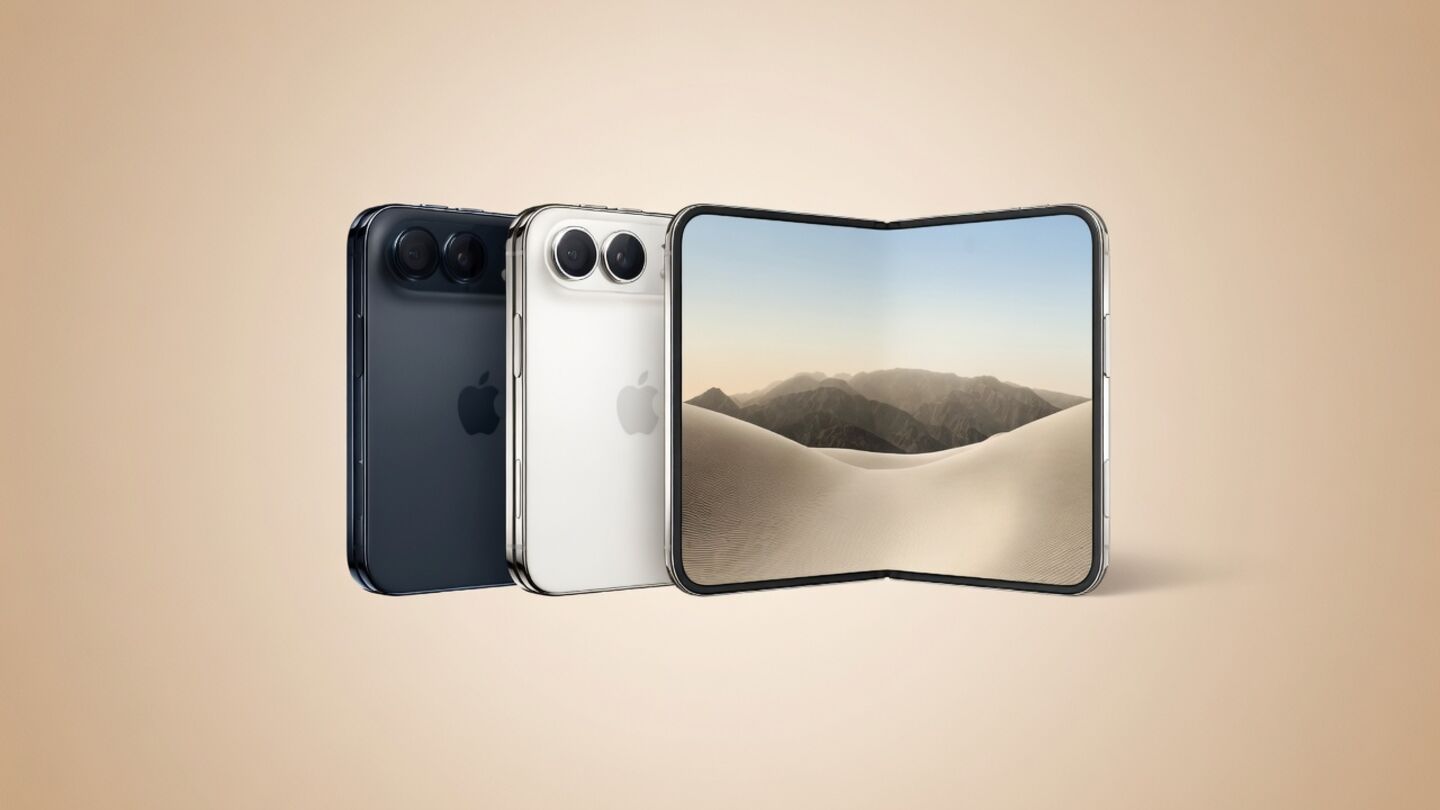
Apple has introduced a purchase restriction on its official online store in India, limiting customers to two units of select iPhone models per person. The restriction applies to the iPhone Duo, iPhone 18 Pro and iPhone 18 Pro Max, and also extends to the previous-generation iPhone 17.
The move follows similar restrictions previously observed in China, Singapore and Hong Kong. Reports now suggest that the measure has expanded to additional markets, including India and the United States, potentially affecting customers planning bulk purchases.
Credits: NewsBytes
Apple India Website Confirms Two-Unit Purchase Limit
The restriction was confirmed during an attempt to order more than two units of the iPhone Duo, iPhone 18 Pro and iPhone 18 Pro Max through Apple’s official India website.
When the quantity exceeded the permitted limit, the website displayed a message informing customers that only two units could be purchased by a single customer. The restriction also covers the iPhone 17, indicating that it is not limited exclusively to Apple’s newest smartphone lineup.
The measure could affect customers purchasing multiple devices for family members or businesses placing larger orders through Apple’s online store. However, the restriction described applies to purchases made through the official website, and its applicability to other sales channels has not been established.
Similar Restrictions Reported on Apple’s US Online Store
The purchase limit appears to extend beyond India. Users on Reddit have reported encountering similar restrictions while ordering iPhones through Apple’s US online store.
One message displayed during checkout stated, “A maximum of 2 iPhone can be purchased per customer,” instructing buyers to reduce the quantity of the iPhone Duo in their orders before proceeding.
The reports suggest that Apple is enforcing a similar limit across multiple markets, although the precise scope and duration of the restriction remain unclear.
Why the Purchase Limit Matters
Limiting purchases to two units per customer can help retailers manage product availability when demand is high or supply is constrained. Such restrictions may also discourage bulk buying and reselling, although Apple has not publicly confirmed the specific reason behind this measure.
For customers, the immediate implication is straightforward: orders exceeding two units of the affected models may not be accepted through Apple’s official online store. Buyers requiring additional devices may need to explore separate purchasing arrangements, subject to Apple’s applicable sales policies.
The development highlights how Apple can adjust purchasing rules across markets to manage demand for its smartphones. Whether the restriction will remain in place or be revised over time remains to be seen.
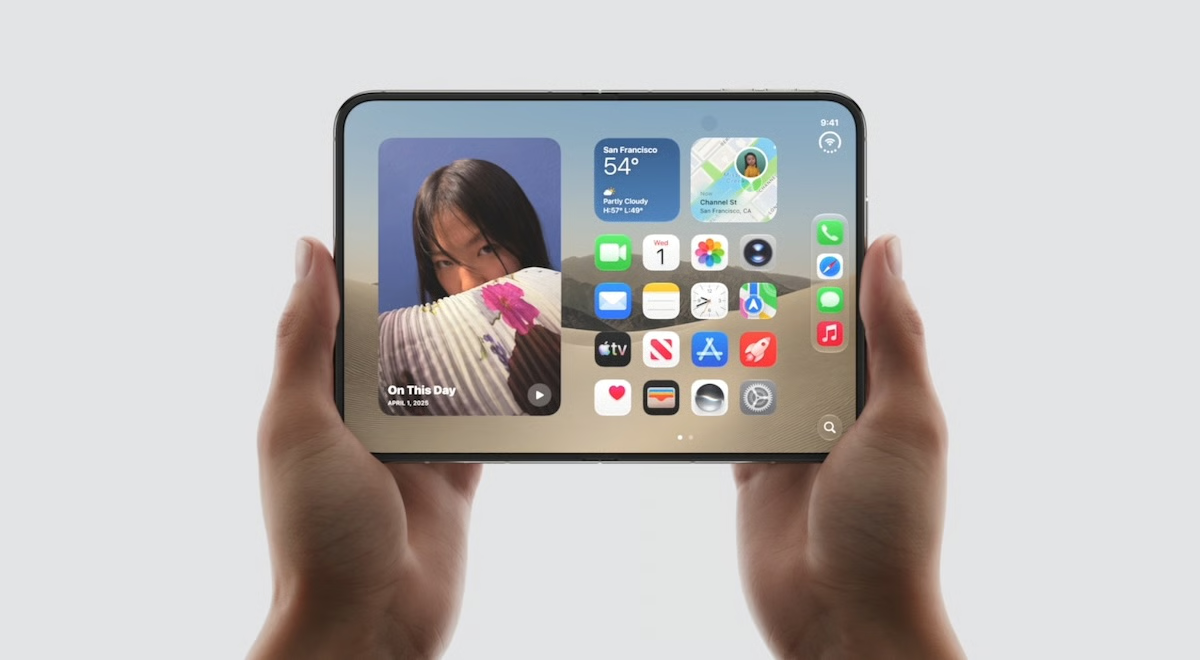
Credits: Cybernews
Conclusion
Apple’s decision to limit purchases of select iPhone models to two units per customer marks a notable change in how the company is managing sales through its official online stores. With the restriction now observed in India and reportedly in the United States, the move appears to extend beyond the Asian markets where similar limits had previously been reported. The inclusion of the iPhone Duo, iPhone 18 Pro, iPhone 18 Pro Max and the older iPhone 17 also suggests that the measure is not confined to a single device or generation.
For individual buyers, the restriction may have little impact on routine purchases, but businesses, resellers and customers looking to purchase multiple devices could face additional hurdles. They may need to consider alternative purchasing arrangements, depending on the sales policies applicable to their region.
However, Apple has not publicly clarified the reason behind the restriction or indicated how long it will remain in effect. While purchase limits can help manage inventory and discourage bulk buying, attributing a specific motive to the company without an official explanation would be premature.
For now, customers planning to purchase iPhones through Apple’s website should check the applicable quantity limits before placing an order. Any future changes will depend on how the company adjusts its purchasing policies across different markets.