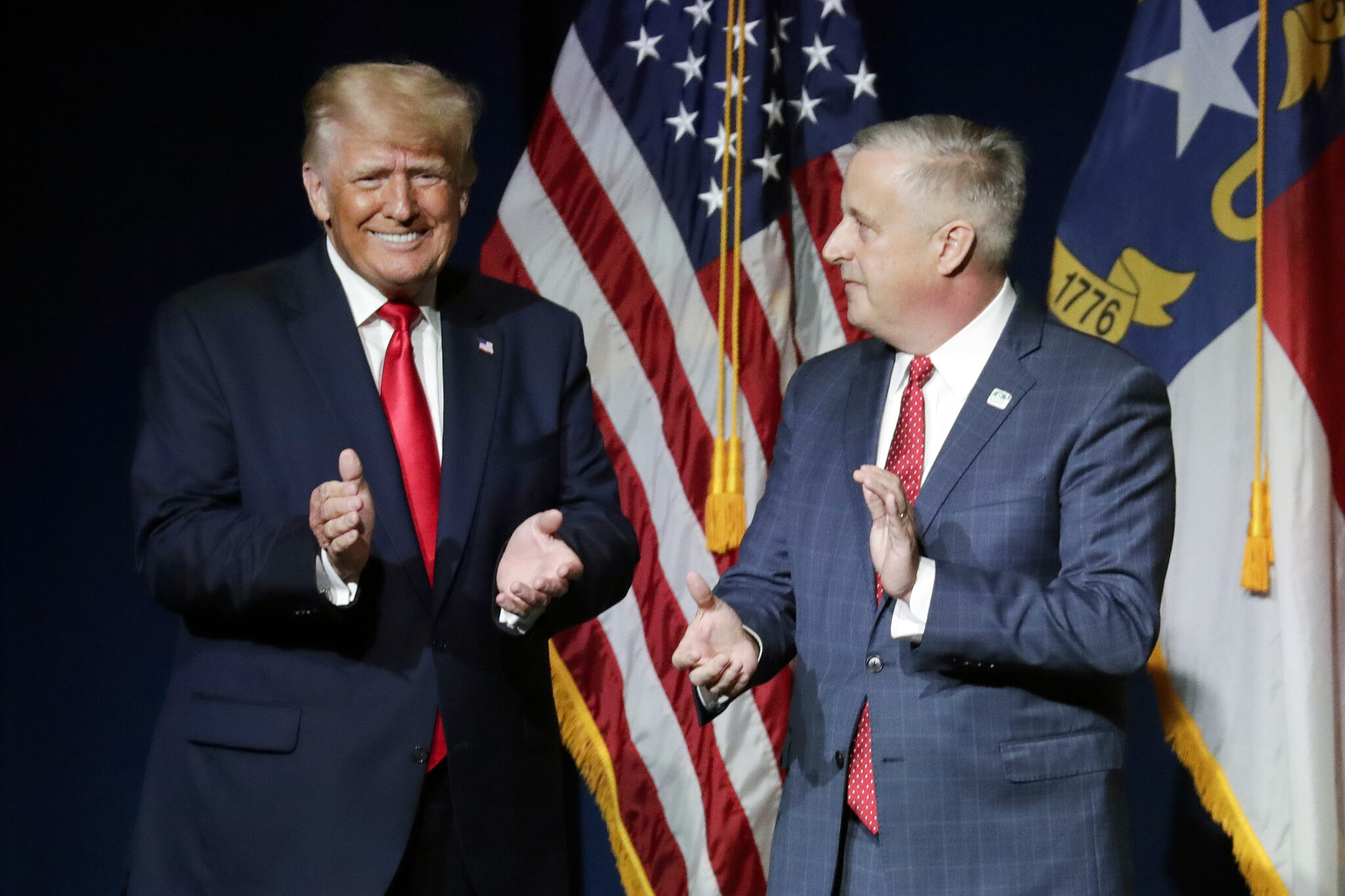
Trump Rallies in North Carolina to Boost Whatley With 2 Weeks Until Midterms/ TezzBuzz/ WASHINGTON/ J. Mansour/ President Donald Trump is scheduled to campaign in Greenville, North Carolina, for Republican Senate nominee Michael Whatley with two weeks remaining before Election Day. Whatley faces former Democratic Gov. Roy Cooper in an open-seat contest that Democrats hope to flip. The visit comes as early voting expands, Republican advertising priorities shift and Trump’s proposed $5,000 payments face questions about funding and delivery.
Quick Look
- Greenville appearance: Trump is scheduled to rally for Michael Whatley.
- Democratic challenger: Former Gov. Roy Cooper has consistently led Whatley in polling.
- Advertising shift: The report said a major Republican super PAC pulled $71 million in planned North Carolina advertising to redirect resources toward Kansas.
- Campaign tour: North Carolina follows Trump’s Monday rally in Kansas.
- Turnout push: Both parties are emphasizing participation ahead of the Nov. 3 election.
- Payment questions: Trump’s proposed $5,000 checks would require congressional approval and cost more than $1 trillion.

Deep Look
Trump Campaigns for Whatley in North Carolina
President Donald Trump is scheduled to visit Greenville, North Carolina, to support Republican Senate candidate Michael Whatley as the midterm campaign enters its final two weeks.
Whatley faces former Democratic Gov. Roy Cooper for an open Republican-held seat in a contest with implications for control of the Senate.
The visit is part of Trump’s effort to mobilize supporters in states he carried in 2024. North Carolina is the second stop in a seven-day campaign push following his Monday appearance in Kansas.
Cooper’s Polling Lead Challenges Republicans
Cooper has consistently led Whatley in polls, creating a difficult contest for Republicans seeking to retain the seat.
Democrats see North Carolina as an opportunity to gain ground in the Senate, while Republicans argue that Democratic control would obstruct or reverse Trump’s agenda.
Trump’s appearance brings presidential attention to Whatley’s campaign as both parties focus on turning support into votes.
Republican Advertising Shift Highlights Competing Priorities
The Senate’s leading Republican super PAC withdrew $71 million in planned North Carolina advertising earlier this month to direct more resources toward Kansas.
The move reflects competing demands on Republican campaign spending as the party defends seats across several states.
Trump rallied Monday in Kansaswhere the Senate contest has become increasingly competitive.
The advertising decision adds pressure to Republicans’ efforts to hold North Carolina, although the spending shift alone does not determine the race’s outcome.
Early Voting Raises Urgency Before Nov. 3
The campaign visits come as early voting expands in several states.
With Election Day approaching, campaigns are concentrating on persuading undecided voters and encouraging supporters to cast ballots.
Democrats are targeting Republican-held seats, while Republicans are asking voters to preserve congressional majorities that can advance the president’s policies.
Trump’s $5,000 Payment Promise Tests Voter Confidence
Trump’s proposal to send Americans $5,000 if Republicans retain control of Congress has become another issue in the closing campaign stretch.
He has presented the payments as a potential benefit of a Republican victory. However, some supporters have questioned whether the money will arrive.
The proposal would cost more than $1 trillion and require congressional approval.
Trump has suggested financing it through trade agreementsforeign investment commitments, government ownership stakes in private companies and energy deals.
The White House has not publicly explained how the payments would be structured or released modeling of their potential effects on inflation and the federal deficit.
More on US News