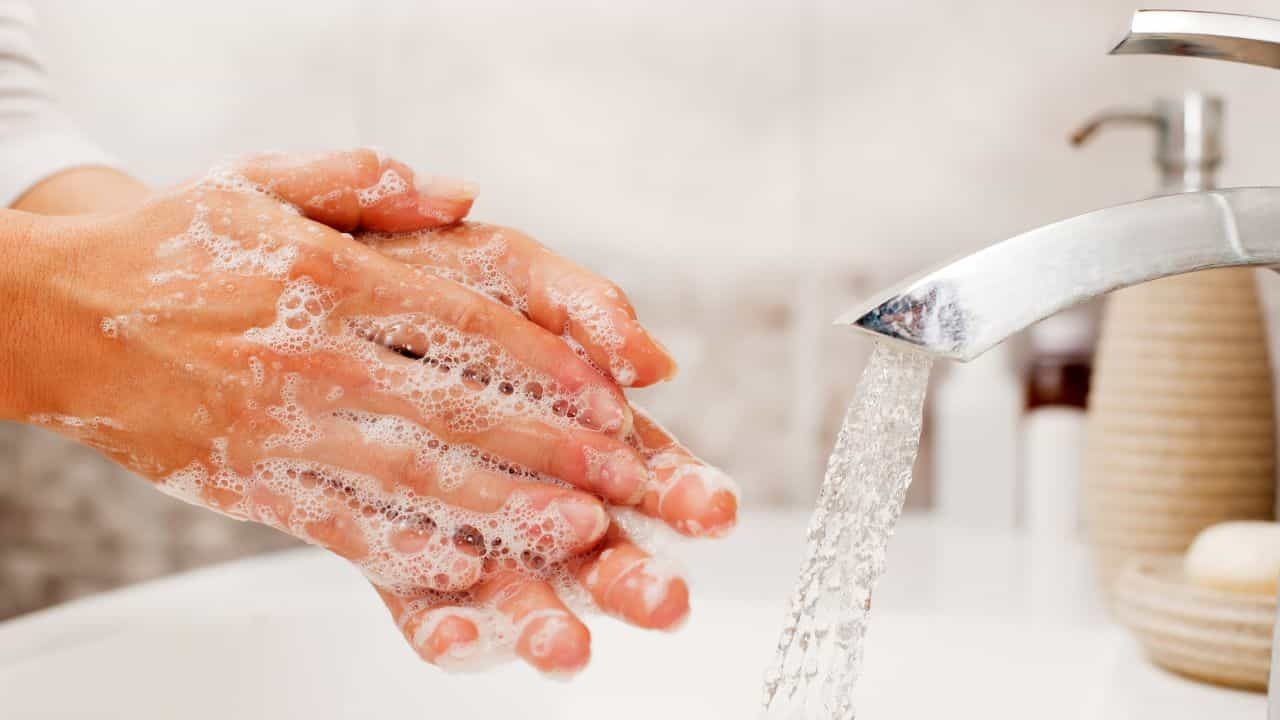
We use our hands the most throughout our day. While using our mobile phones, handling money, handling doorknobs, handling objects in public places, and many other such activities, our hands come into contact with various surfaces. Bacteria, viruses, and other germs present on these surfaces easily stick to our hands. If we touch our eyes, nose, or mouth with these dirty hands, or eat food without washing them, these dangerous germs enter our bodies directly. This significantly increases the risk of colds, flu, diarrhea, food poisoning, stomach infections, and many other infectious diseases. Therefore, maintaining good hand hygiene is crucial for our health.
Washing hands is a small habit, but the impact is huge.
Handwashing may seem like a simple act, but it has a profound impact on our health. Simply pouring a little water on your hands or hurriedly washing them isn’t enough; it’s crucial to clean them properly. Knowing and practicing the correct handwashing method can significantly reduce the risk of infection. This simple habit helps protect not only you, but also your family and those around you from many serious illnesses. Let’s explore the correct handwashing method, according to experts, and the special occasions when you should wash your hands.
Learn the right way to wash your hands, according to the CDC.
According to guidelines from the Centers for Disease Control and Prevention (CDC), these steps should be followed for proper hand hygiene:
- Wet first: Wet your hands thoroughly with clean, running water.
- Use soap: Apply a generous amount of soap to your hands and rub thoroughly over both palms, the backs of your hands, the spaces between your fingers, under your nails, and your thumbs.
- Wash for a full 20 seconds: Rub your hands together for at least 20 seconds to completely eliminate germs.
- Rinse and dry thoroughly: Then, thoroughly rinse off any suds and soap from your hands with clean, running water. Finally, dry your hands thoroughly with a clean towel or air dryer.
When and how to use hand sanitizer?
If soap and water are not available at the time, a hand sanitizer containing at least 60% alcohol can be used. Apply the sanitizer to your palms and rub thoroughly over your hands until they are completely dry. However, if there is visible dirt or grease on your hands, washing with soap and water is considered the most effective method.
When is hand washing most important?
There are several times throughout the day when our hands are most likely to be contaminated with germs. According to the CDC, these are the times when we should wash our hands:
- Before cooking, just before eating, and after serving or preparing food.
- After using the toilet and after changing or cleaning a small child’s diaper.
- Immediately before and after caring for a sick person.
- After coughing, sneezing, or blowing your nose.
- After touching or throwing household garbage.
- After touching any pet, stray animal or their food and drink.
- Before and after cleaning or bandaging any wound on the body.
By making it a habit to keep your hands clean on these special occasions, you can protect yourself and your family from many dangerous infections.