
A Woodworker Told Me How to Clean Wooden Cutting Boards—and His #1 Method for Eliminating Odors

He urges you to stop using harsh chemicals.
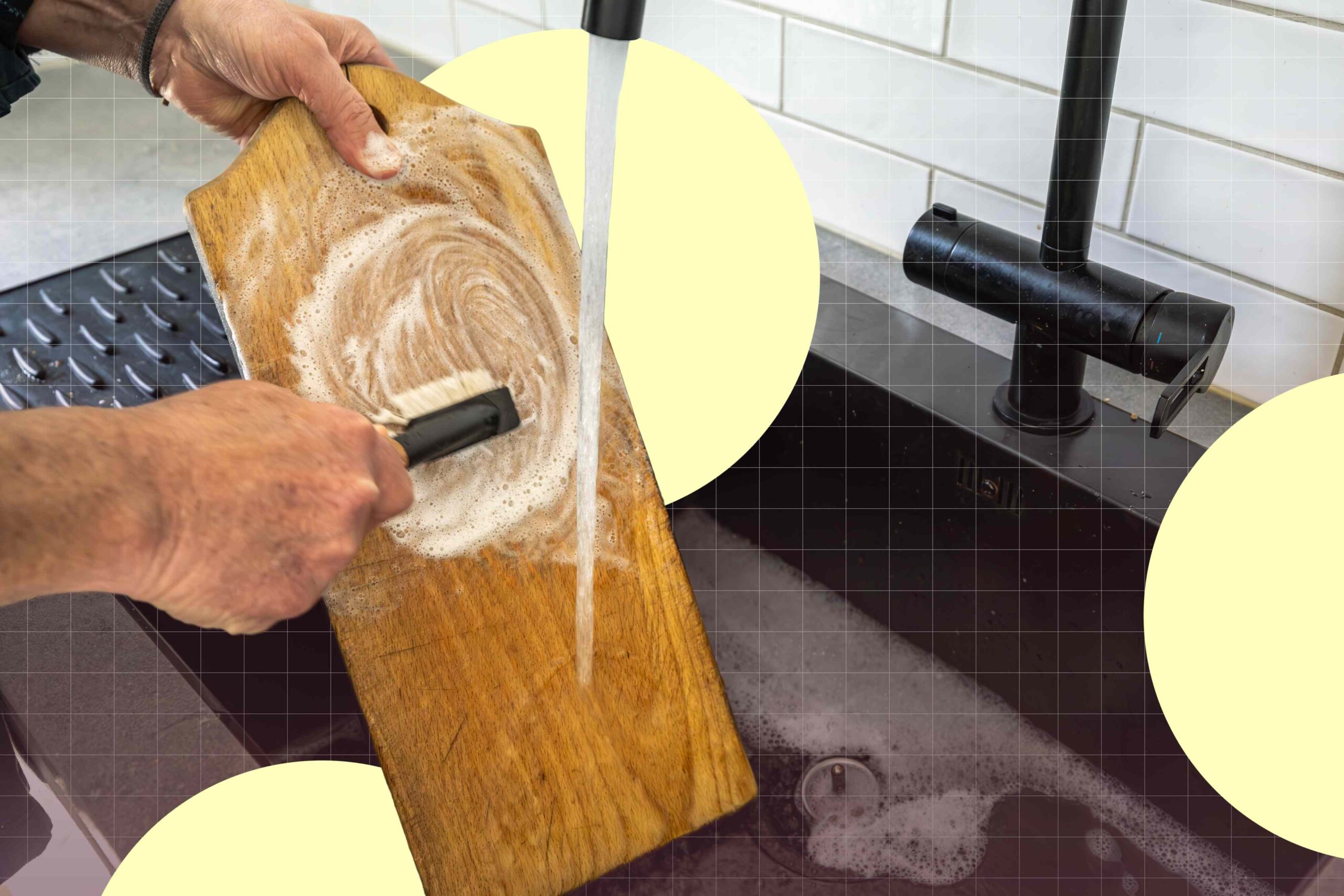
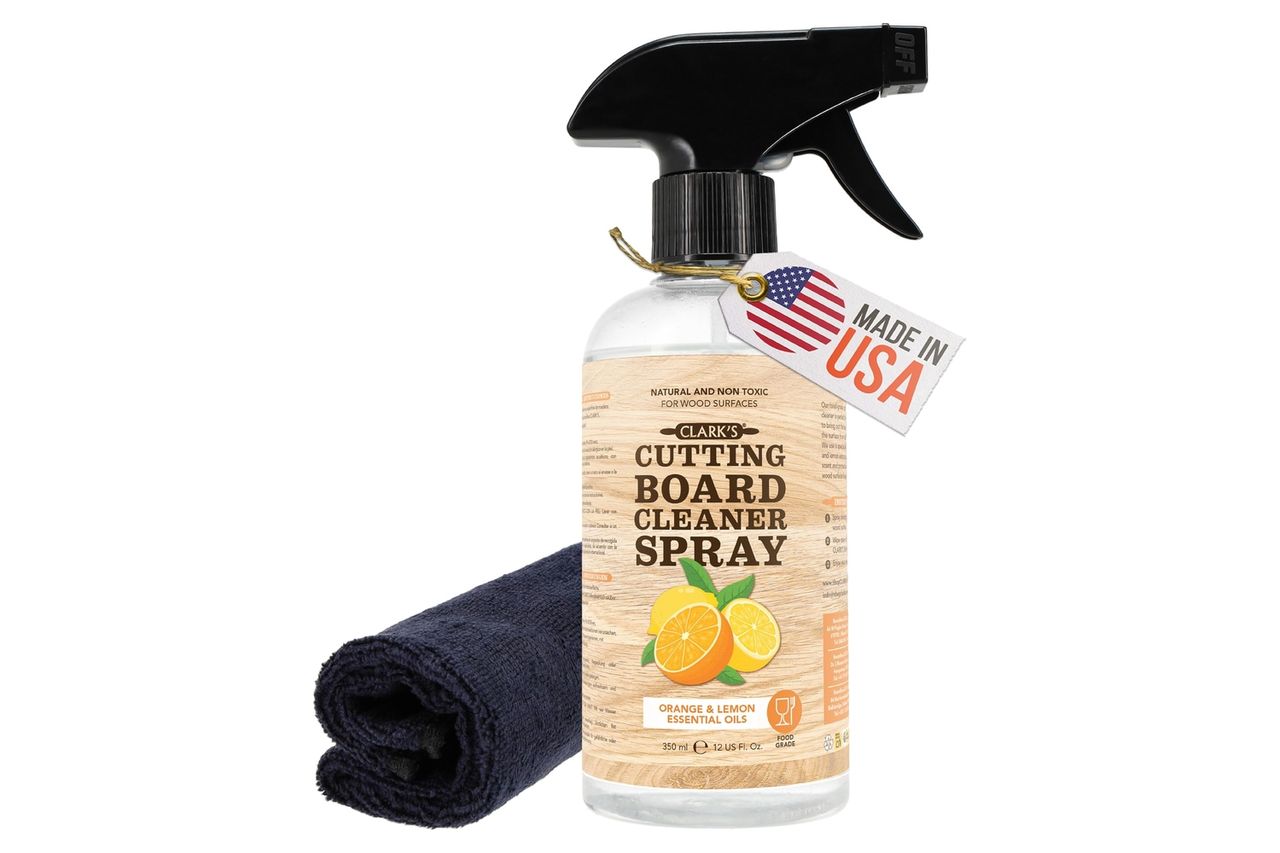
As you dip your wooden cutting board into the kitchen sink and begin scrubbing it with dish soap, it’s easy to feel afraid that you’re doing something wrong. Too much exposure to moisture can cause wood to swell, warp, crack, chip, mold and more. However, when taken care of consistently, your wooden cutting board can become surprisingly resilient, resisting damage and fending off odors. To strike the balance while not compromising on cleanliness, I asked Jacob Rhodesthe owner and chief engineer of specialty woodworking tool company TrueTrac, how to clean wooden cutting boards. With 15 years of woodworking experience under his belt, Rhodes uses Clark’s Cutting Board Spray Cleaner to clean his boards. Keep reading to find out why and how he uses this spray, plus his homemade solution to stubborn food odors.
Clark’s Cutting Board Spray Cleaner
$30 $25 at Amazon
This woodworker-approved cutting board cleaner is made from filtered water, distilled vinegar, castile soap and lemon and orange essential oils. “I like it because it follows the same basic thinking as the homemade lemon and salt method many woodworkers already use,” said Rhodes. Harsher cleaning chemicals can strip wooden cutting boards of their natural oils, which are what keep the boards healthy. With this product, Rhodes told me, “You get the convenience of a bottled cleaner without reaching for a harsh kitchen degreaser.”
The spray bottle format helps minimize water used during cleaning, which decreases the chances of warping. Plus, you won’t need to transfer heavy, oversized cutting boards to the sink just for a quick cleaning. Rhodes explained how to use the Clark’s cleaner: “Spray it lightly across the board, and work it into the surface with a soft nylon or plant fiber brushwiping or rinsing it away promptly. Towel the board dry, and stand it on its edge so air can reach both sides.” Simple as that, your cutting board is cleaned!
Rhodes also shared his hack for getting rid of what he called “stubborn onion, garlic or fish smells.” He suggests dampening your cutting board with water and sprinkling Kosher salt all over the surface. Then, use half a lemon to scrub the salt into the board. According to Rhodes, “The salt helps loosen residue from knife marks, and the lemon helps lift lingering odors, rather than cover them up with a strong fragrance.”
Shoppers also love the Clark’s cleaning spray. This reviewer said they “appreciate the light, clean scent that lingers and lets me know my space is set after cooking.” Many satisfied customers use the cleaner on their butcher block countertops, with one shopper reporting that they “haven’t noticed it drying the wood out.” According to a third buyerthe cleaning spray removes grease, grime and even wine spots, and it “brings out the beauty of the wood.”
I’m surely convinced of Clark’s Cutting Board Spray Cleanerand I’m adding it to my cart to use on my wooden cutting boards. Buy a bottle for your home, and start cleaning your wooden cutting boards, countertops, serving boards and more with confidence.
Shop Wooden Cutting Board Care at Amazon
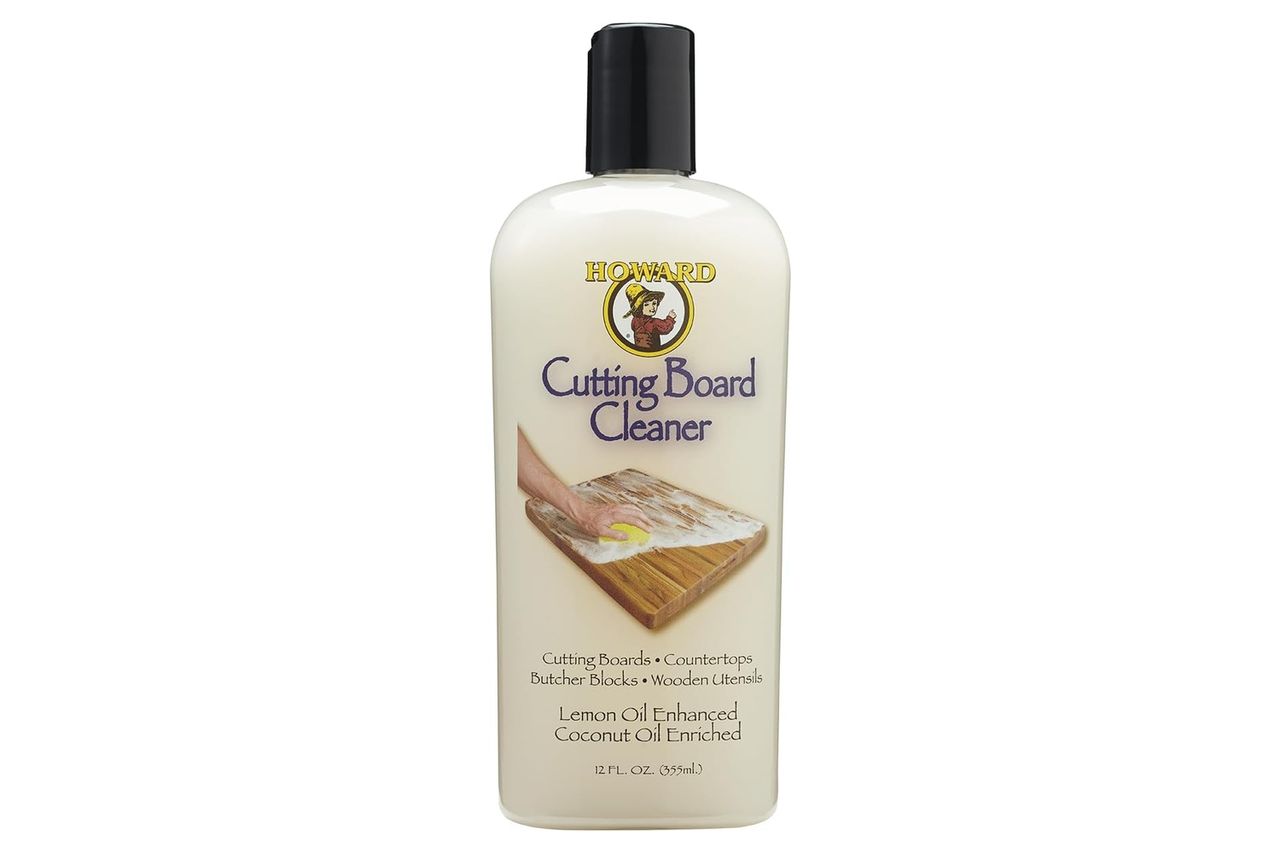
Howard Wood Cutting Board Cleaner
$9 at Amazon
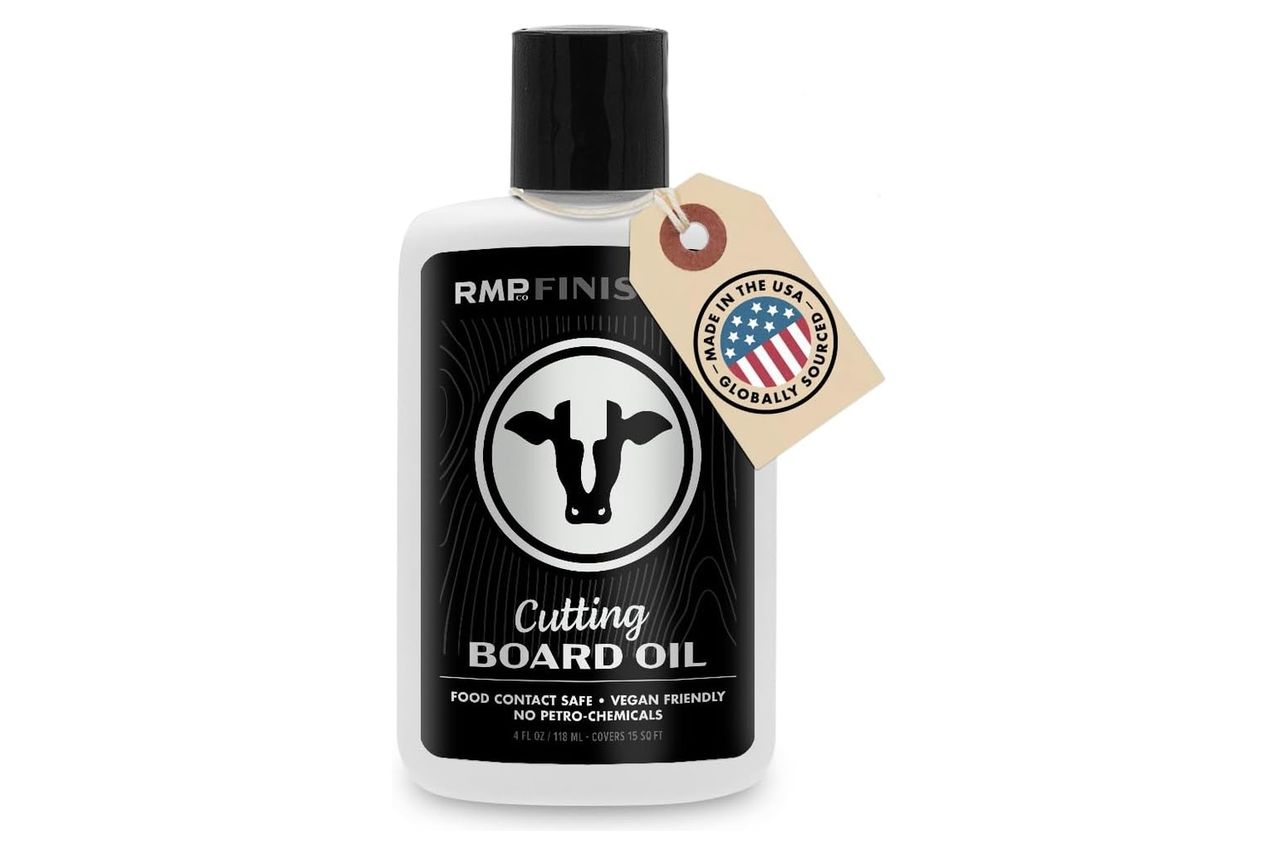
RMP Finishes Cutting Board Oil
$8 at Amazon
Debetool Cutting Board Wax Applicator and Scrub Brush Set
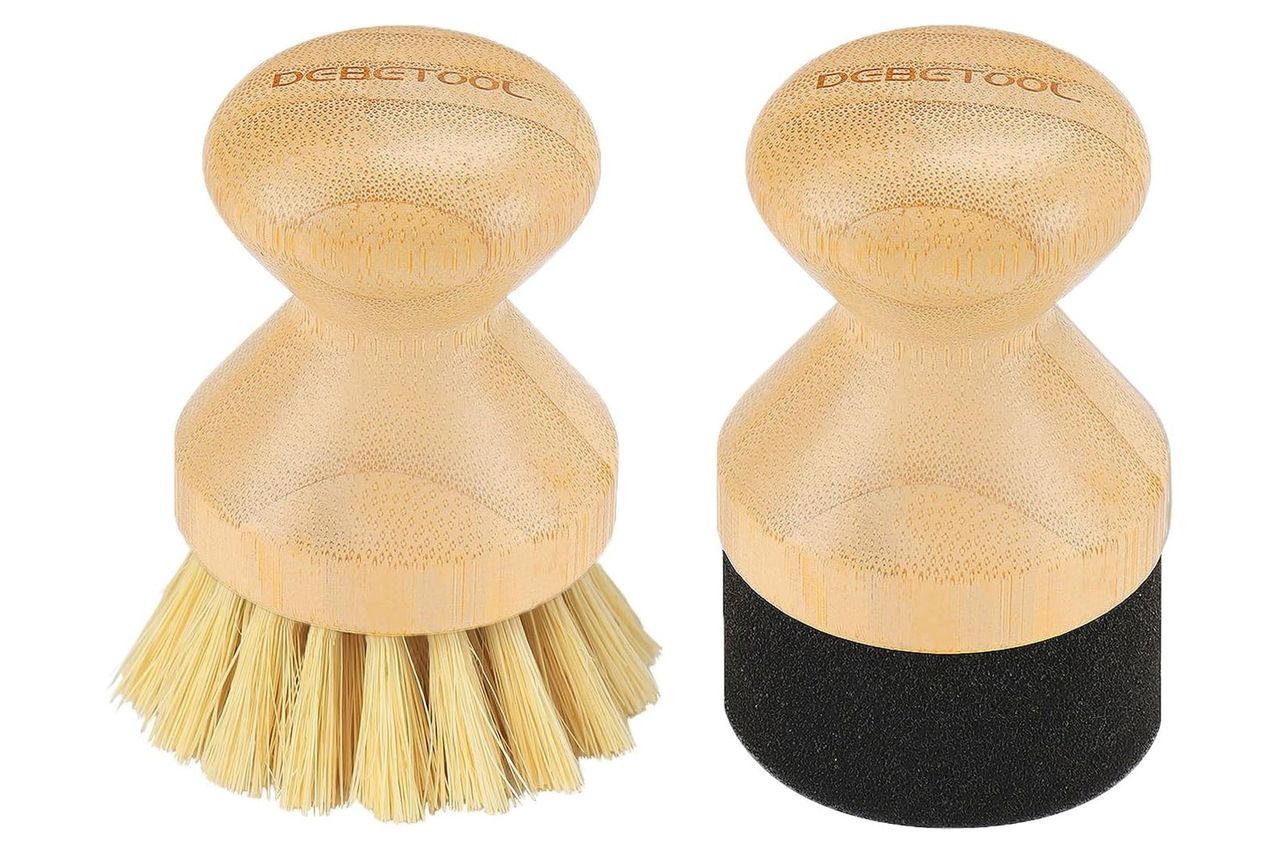
$10 at Amazon
Scotch-Brite Non-Scratch Scrub Sponges
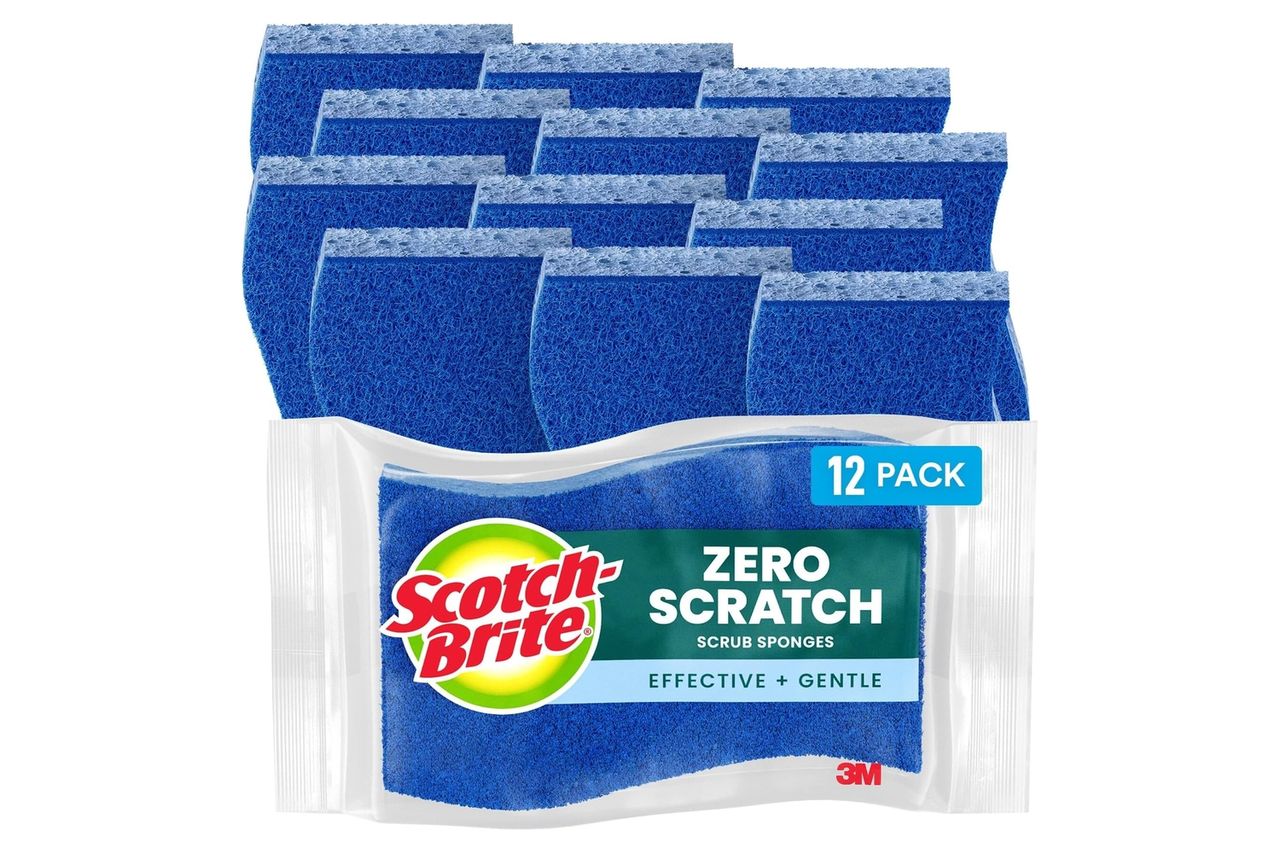
$12 at Amazon
Morton Coarse Kosher Salt
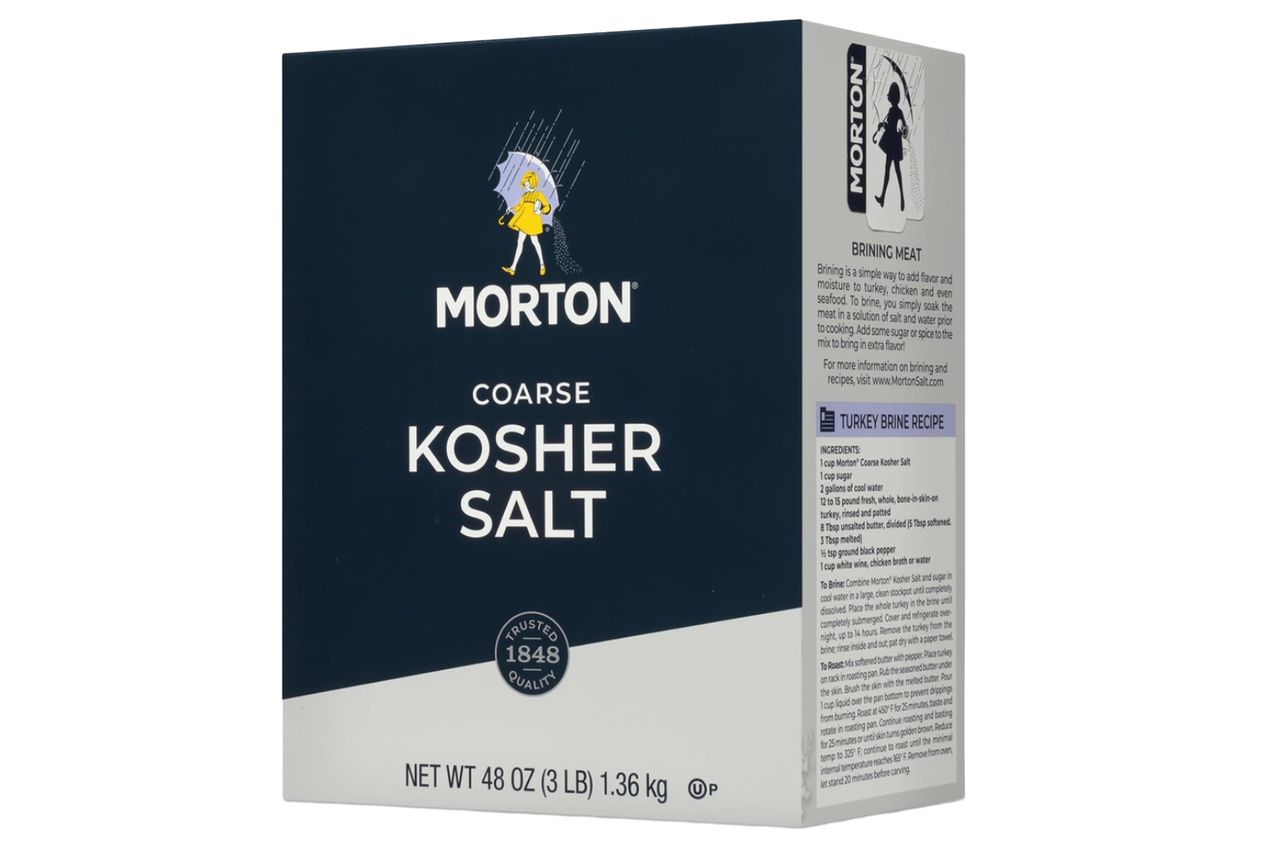
$4 at Amazon
At the time of publishing, the price was $25.
We independently evaluate all recommended products and services. If you click on links we provide, we may receive compensation.

Comments are closed.