The sharp and symbolic statements of AIMIM chief Asaduddin Owaisi during a public meeting held in Lucknow, the capital of Uttar Pradesh, have sparked a new discussion in the political circles of the state, where he directly attacked political participation, leadership and traditional vote bank politics. His words given during the rally – in which he talked about moving beyond the role of laying the carpet with an aspirational tone to reach the chair of power and decision – are being seen by political analysts in the context of the changing electoral and social mobilization of Uttar Pradesh. If seen from the perspective of a reporter, when a leader on the ground of Uttar Pradesh fuels the political ambitions of social groups through symbolic statements from the stage, his aim is not only to unite the crowd but also to send a message of his independent voice and bargaining power in front of the established parties.
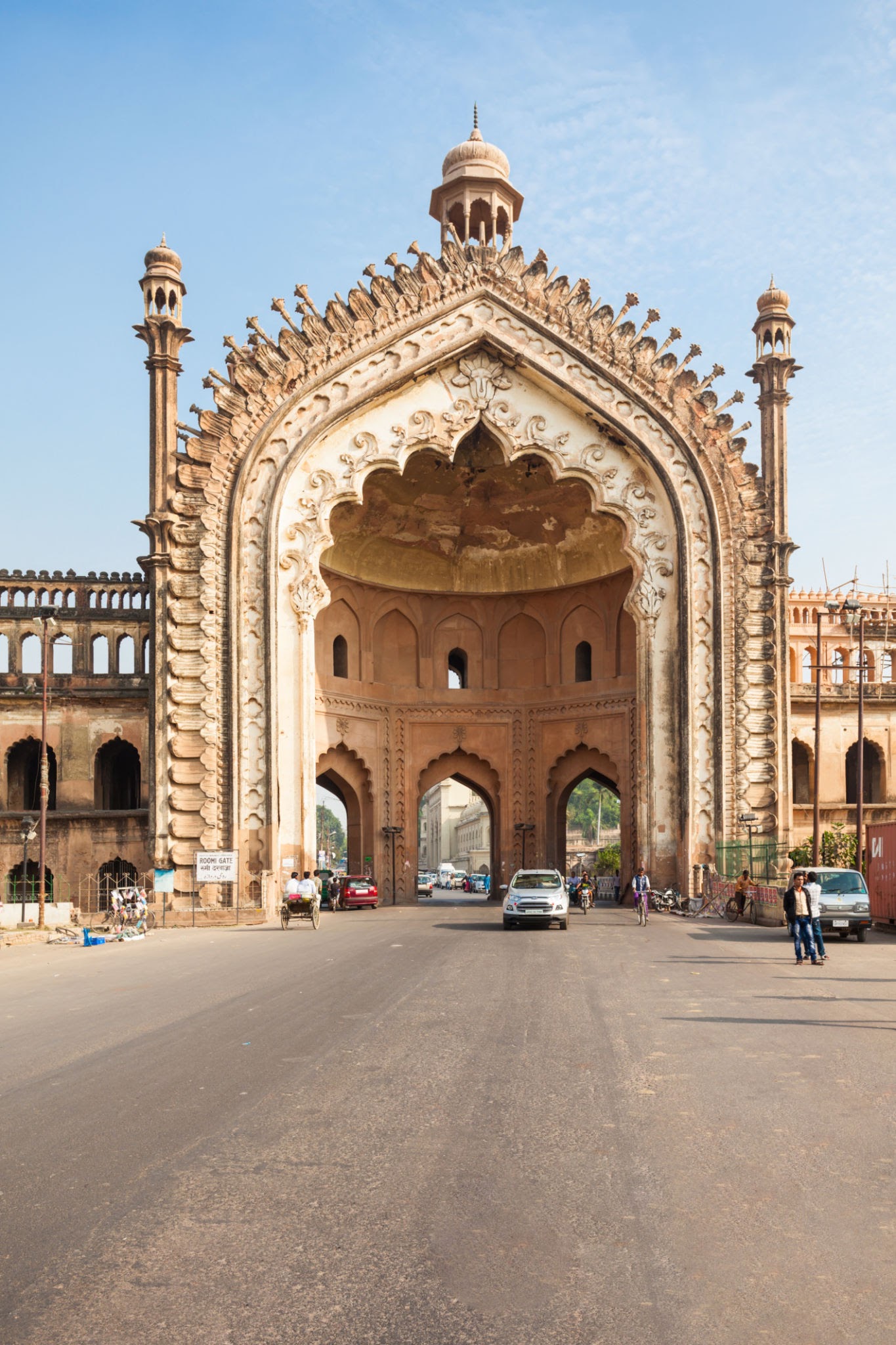
Politics of Lucknow and Uttar Pradesh. Source: saiko3p / Getty Images
For a long time, different claims and discussions have been going on in the politics of Uttar Pradesh regarding the representation of different social groups, the mathematics of alliance and election strategies. The manner in which Asaduddin Owaisi talked about leadership and participation in the Lucknow meeting makes it clear that he wants to send a message to his supporters and potential allies that in any political equation, the question of power and leadership should be put forward openly instead of being limited to the role of just a voter or a grassroots worker. According to political observers, such statements are often an attempt to attract voters who feel that their expectations or promises of representation are not being met.
Uttar Pradesh is the largest and politically most sensitive state in the country, where before every election, various speculations are made regarding coordination between parties, possibilities of third option and social equations. In such a situation, when leadership is discussed in a rally in the context of regional or national level leaders and emerging faces, everyone from opposition parties to potential supporting groups starts looking for its implications. However, in ground reality, the electoral impact of any statement or slogan depends on how strong the organization is, what the activism is like at the booth level and what level of communication and trust is reached between different sections.
Whenever an election or political discussion comes before the voters of the state, along with the symbolic statements, everyday topics like employment, education, law and order, inflation, health and basic facilities are also present in parallel. Analysts believe that political slogans and sharp statements definitely create immediate headlines, but for long-term support, parties have to assure policy clarity, solutions to local problems and continuous ground work. In the coming time, the reactions of the opposition parties, the moves of possible political alliances and election preparations will decide how much impact the messages given in this rally in Lucknow will have in the future.
There is a lot of interest among the common people, youth, intellectuals and citizens of different sections in the political rallies, statements of leaders and power equations in the entire state including the capital of Uttar Pradesh, Lucknow. In the intersections, tea shops and media discussions of Lucknow, there is often discussion on how the political voices coming from the capital can influence the politics of entire Purvanchal, Awadh and Western Uttar Pradesh. As the upcoming political activities and election cycle progress, the real political meaning and consequences of this rhetoric will become more clear.