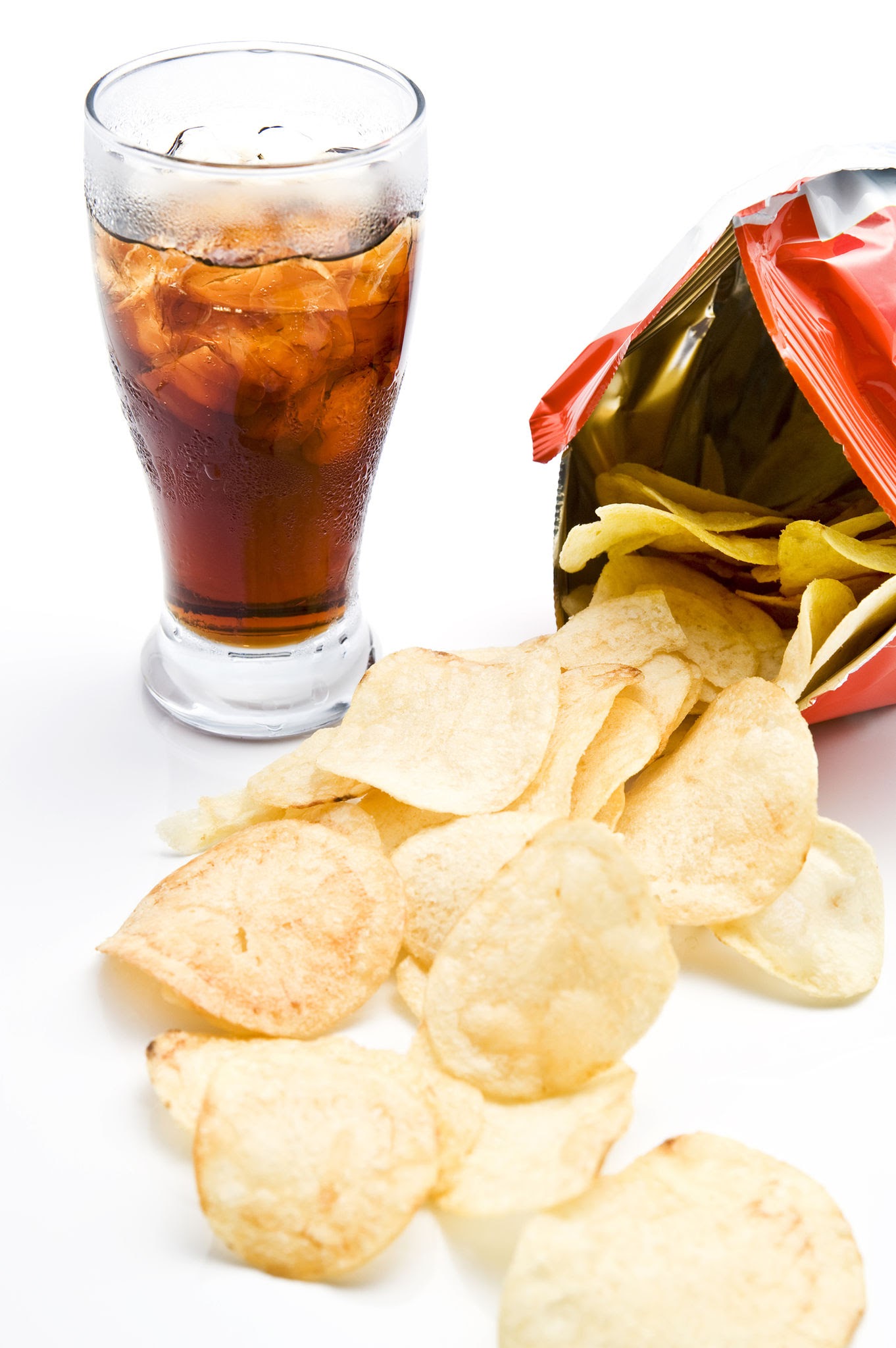
From children’s tiffins to local grocery shops and shopping mall racks, the presence of packaged food items like chips, biscuits, namkeen and cold drinks has become a part of everyday life. From the urban markets of Lucknow, Ayodhya, Azamgarh and Ballia to small towns, the demand for these products has increased rapidly among children and youth everywhere. Meanwhile, the Supreme Court’s strict stance regarding children’s health, increasing obesity and changing eating habits has come to the fore, calling for serious discussion and monitoring on the issue of giving clear and separate ‘red’ warnings on packaged food items.
Parents, pediatricians, and public health experts agree that many packaged products are high in salt, sugar, and saturated fat, but the nutrition table printed in small print on the back of the packet is not easily read by the average consumer or child. In such a situation, having a clear red warning on the front of the packet can give an immediate indication to the consumer about the true nature of the product.
Packaged snacks and beverages. Source: kuppa_rock / Getty Images
During the hearing of cases related to children’s health and nutrition in the Supreme Court, this topic has repeatedly come up prominently that how processed and packaged foods sold in the market are affecting the health of children. The Court’s focus has been on ensuring that policy guidelines and regulatory regimes should not remain limited to mere paper, but effectively protect the interests of consumers and children on the ground.
According to health experts, regular consumption of excessive sugar, sodium and energy-dense snacks at an early age can increase children’s risk of weight gain, dental problems, energy fluctuations and other lifestyle diseases later on. This is the reason why the questions and suggestions raised at the judicial level are being considered very important from the point of view of public health.
The basic objective behind the idea of placing a separate red warning on packaged foods is to make the information simple, quick and understandable. Consumers often ignore nutritional information when making a hasty purchase or are influenced by attractive advertisements and colorful packages. If a product contains more salt, sugar or fat than allowed, a clear red symbol on the packet can help parents and consumers make decisions.
However, there have also been differing viewpoints between the food industry and policy makers regarding the criteria, limitations and practical aspects of labelling. One side believes that clear warnings will increase awareness and motivate companies to make their products more balanced, while the other side believes standards should be balanced, scientific and practical for all stakeholders.
Eating habits do not change overnight just by changing rules or labels; for this, coordination is necessary at all three levels: family, school and local market. Parents of various districts of Uttar Pradesh say that children will have to develop the habit of giving fresh home-made food, fruits, pulses, bread and seasonal things instead of outside snacks. Many times, due to busy work schedule or children’s insistence, packaged items are easily opted for.
It is important for parents and teachers to keep an eye on the food items available around schools and the options available in canteens. When children are given a balanced diet and the common sense to read labels from an early age, they are more likely to be conscious of their health as they grow up.
In today’s digital era, people instantly search for information about any product or news, but it is most important to access correct and balanced information. The theme of red warnings on packaged foods is a reminder that understanding the ingredients within shiny packaging is both the right and responsibility of every informed consumer.
In the times to come, everyone will be keeping an eye on the regulatory processes, court orders and market reactions. At present, the most effective way for common families is to limit the consumption of packaged products, look carefully at the ingredient list and give priority to nutritious home-made food.