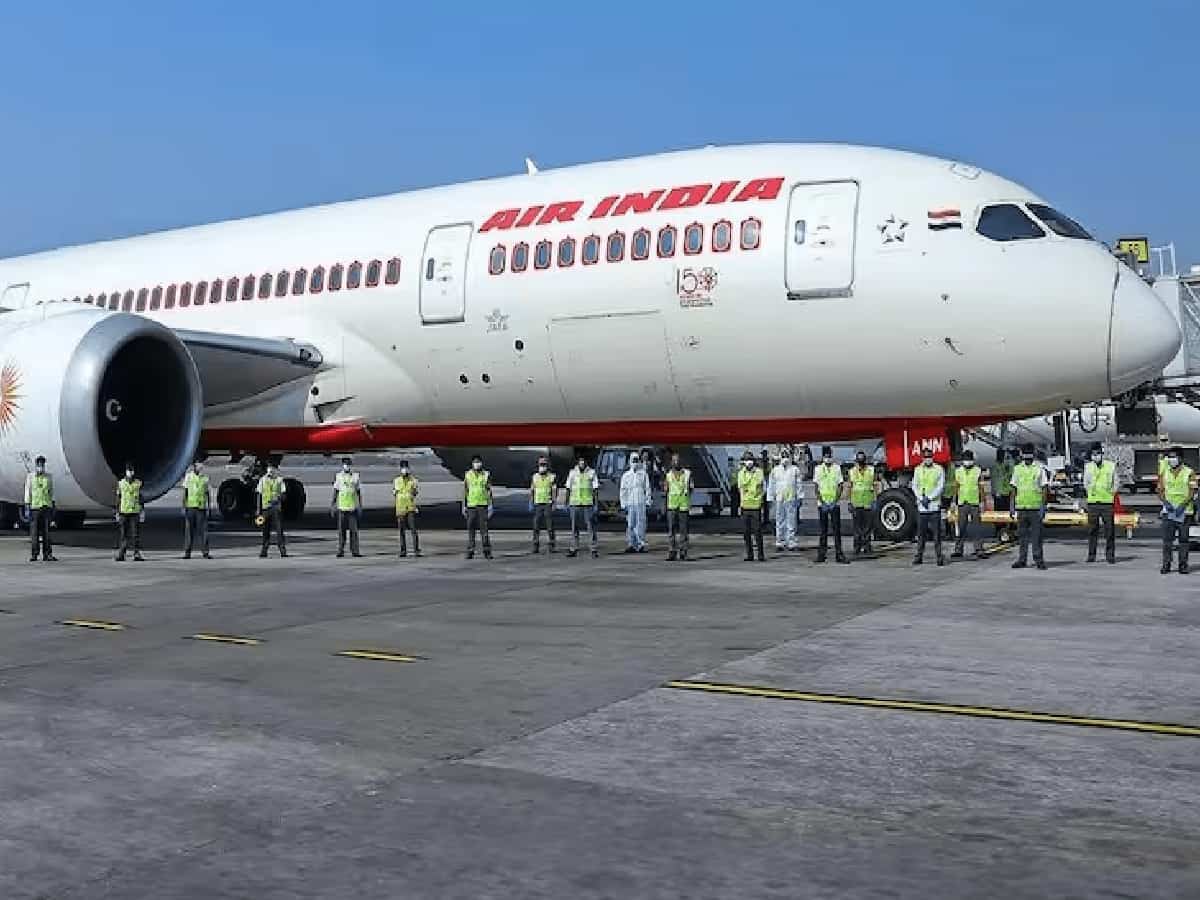
Passenger safety and aviation accountability have taken center stage as Air India cracks the whip following a harrowing mid-air incident involving a Phuket-to-Delhi flight. The national carrier has officially terminated the services of the pilot-in-command with immediate effect after a preliminary report from the Aircraft Accident Investigation Bureau (AAIB) flagged serious regulatory and fitness concerns, including a non-negative test result for psychoactive substances. The swift punitive action underscores the airline’s stated zero-tolerance policy toward safety compromises and pilot fitness violations.
Inside the Terrifying Mid-Air Ordeal of Flight AI-2379
The shocking sequence of events unfolded on August 4, 2026, when Air India flight AI-2379 was operating its scheduled route from Phuket to Delhi aboard an Airbus A320neo carrying 137 passengers, three children, six cabin crew members, and two pilots. Cruising at an altitude of approximately 36,000 feet, the aircraft experienced an unprecedented and catastrophic failure when all three independent hydraulic systems malfunctioned consecutively within seconds. The autopilot instantly disengaged, triggering a sudden stall warning as the aircraft violently pitched—first ascending about 372 feet before plunging 292 feet downward. Because the seatbelt signs were switched off at the time, the sudden turbulence and altitude drop injured 24 individuals, including 20 passengers and four crew members, requiring hospitalization for four critically hurt victims.
AAIB Probe Reveals Hydraulic Failure and Drug Screening Revelations
While initial reports attributed the chaos to severe weather and unexpected atmospheric turbulence, the severity of the structural stress and injuries prompted a rigorous official probe by the AAIB. Although initial breathalyzer tests for alcohol cleared both flight deck members, subsequent medical evaluations and secondary screenings flagged concerns regarding the pilot-in-command’s substance screening. The AAIB’s preliminary findings highlighted the alarming test result as a matter of grave priority, prompting immediate regulatory interventions. Concurrently, investigators are still working to uncover the exact technical root cause behind the simultaneous failure of all three hydraulic systems and the abrupt disengagement of the autopilot.
Air India Implements Strict Testing Across Fleets
In response to the alarming findings, Air India and Air India Express have significantly ramped up internal safety protocols, initiating comprehensive drug and fitness screenings across their pilot rosters. By August 17, over 350 pilots had undergone screenings, with regulatory bodies exploring mandates for annual random testing of all active commercial pilots. While investigators emphasize that a direct link between the pilot’s test results and the mechanical hydraulic failure remains under active examination, Air India’s decisive termination sends an unyielding message regarding passenger protection and aviation discipline.