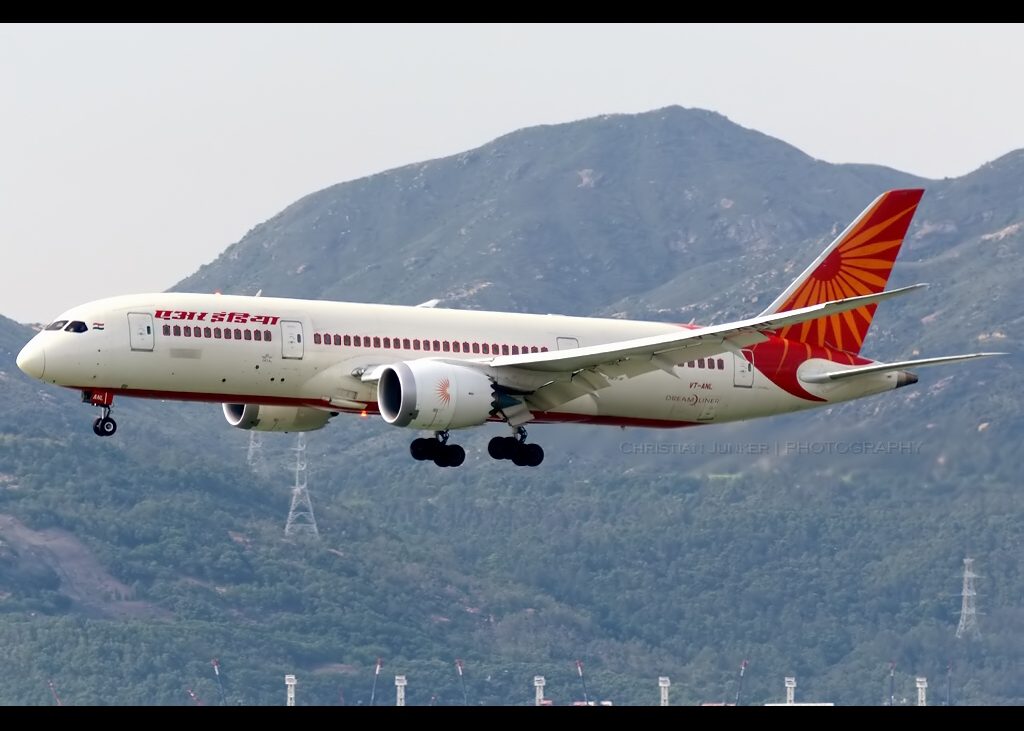
The investigation into a frightening Air India flight from Phuket to New Delhi has moved beyond questions about turbulence and into a much more uncomfortable issue for Indian aviation: whether airlines and regulators are doing enough to ensure that every pilot entering a cockpit is medically and mentally fit to fly.
Air India flight AI2379, an Airbus A320 travelling from Phuket to Delhi on August 4, suddenly lost approximately 300 feet of altitude during the journey. Passengers and crew were thrown violently inside the cabin, with reports differing on the final number of injuries. The aircraft subsequently stabilized and landed safely in Delhi. Indian authorities opened a formal investigation, while the aircraft’s flight data recorder and cockpit voice recorder were secured for examination. Airbus has also sent specialists to assist investigators.
Initially, much of the discussion centred on whether the dramatic altitude loss was simply the result of severe turbulence. Aviation experts cited in Indian media cautioned against assuming that a pilot could simply make an airliner plunge 300 feet through an intentional control movement, describing such a scenario as extremely difficult and stressing that the flight data would have to establish exactly what happened. Turbulence, particularly sudden clear air turbulence, can produce violent changes in an aircraft’s vertical movement without giving pilots much warning.

But the story changed significantly after questions emerged about the condition of the pilot in command. India’s Ministry of Civil Aviation confirmed that an initial screening for psychoactive substances was “not negative,” leading to a confirmatory laboratory examination. Subsequent Indian media reports on August 12, citing people familiar with the investigation, reported that the confirmatory test detected marijuana. Reports have also said the captain disclosed that he had been taking medication for sleep difficulties.
That development does not automatically establish that the pilot caused the 300-foot altitude loss. The Aircraft Accident Investigation Bureau still has to determine what happened to the aircraft, including the effects of weather, turbulence, aircraft systems, pilot actions and other operational factors. The presence of a prohibited or potentially impairing substance and the cause of an aviation incident are two different questions, and investigators will need flight recorder evidence before drawing the connection.
However, the incident has reopened a legitimate discussion about substance use and pilot fitness in Indian commercial aviation. This is not the first time pilots working for Indian carriers have failed alcohol or substance related checks. In just the first four months of 2022, the Directorate General of Civil Aviation said nine pilots and 32 cabin crew members failed pre-flight alcohol tests. The regulator said it had taken 48 enforcement actions for violations of alcohol testing requirements during that period.
More recently, reports citing DGCA figures said 33 pilots failed alcohol tests during the first half of 2024. The recurrence of positive tests has helped drive increasingly strict rules. India effectively operates a zero tolerance approach toward alcohol for operating flight crew, and the DGCA has strengthened penalties for repeat violations. Under tougher rules implemented in 2026, repeated alcohol violations can ultimately lead to cancellation of a pilot’s licence, while some combinations of positive and missed post-flight tests can result in suspensions lasting several years.
The concern became international in December 2025 when an Air India pilot scheduled to operate a flight from Vancouver to Delhi was removed before departure after Canadian authorities questioned his fitness for duty. Reuters reported that the pilot underwent two breathalyser tests and was found unfit to fly. Transport Canada described the matter as serious and asked Air India to investigate. An alternate pilot eventually operated the flight.
These cases demonstrate why alcohol and drug testing exists in aviation. A commercial pilot may be responsible for hundreds of passengers at a time, often while operating an aircraft travelling hundreds of kilometres per hour at altitudes above 30,000 feet. Even relatively small impairments in reaction time, judgement, coordination or situational awareness can become significant when crews are dealing with bad weather, equipment problems or unexpected turbulence.
At the same time, claims that large numbers of Indian pilots are routinely being sent to rehabilitation centres should be treated carefully. Publicly available DGCA figures clearly demonstrate alcohol violations and disciplinary action, but there is not enough reliable public evidence to establish that widespread rehabilitation of Indian airline pilots is occurring. Pilot rehabilitation programs for alcohol and substance dependence do exist internationally, particularly in the United States, where specialized programs combine treatment, medical oversight and long term monitoring before pilots can return to duty. Research has shown that pilots who receive structured treatment can successfully return to flying under strict supervision.
There is also no solid basis for claiming that a significant number of previous Indian commercial aviation accidents were caused by pilots drinking alcohol. Alcohol violations are documented. Safety incidents involving pilots are documented. But connecting a specific accident to alcohol requires an accident investigation establishing alcohol or impairment as a causal or contributing factor. Making that distinction is essential, particularly in aviation where accident investigations often reveal combinations of weather, fatigue, technical problems, training, communication and human error rather than one simple cause.
The Phuket to Delhi incident nevertheless raises a difficult question for Air India and Indian regulators. If the reports regarding the captain’s confirmatory marijuana test and behaviour aboard the aircraft are verified by the official investigation, how did a pilot in such a condition reach the cockpit of a commercial passenger flight in the first place?
Testing pilots after a dangerous event can identify a problem, but the greater safety challenge is preventing an impaired pilot from operating an aircraft at all.
India’s rapidly expanding aviation sector is carrying record numbers of passengers and adding aircraft, routes and crews at an extraordinary pace. That growth makes rigorous safety oversight even more important. The overwhelming majority of professional pilots perform their jobs responsibly, and isolated cases should not be used to label an entire profession or nationality. But when regulators repeatedly record alcohol violations and a major airline faces another investigation involving possible pilot impairment, those cases cannot simply be dismissed either.
The final explanation for AI2379’s 300-foot drop must come from the flight recorders and the AAIB investigation. Whether turbulence, aircraft behaviour, human actions or a combination of factors caused the altitude loss remains to be established. But regardless of what investigators ultimately determine about those 300 feet, the case has already exposed a larger issue that deserves attention: passengers should never have to wonder whether the person sitting in the cockpit is fully fit to fly.