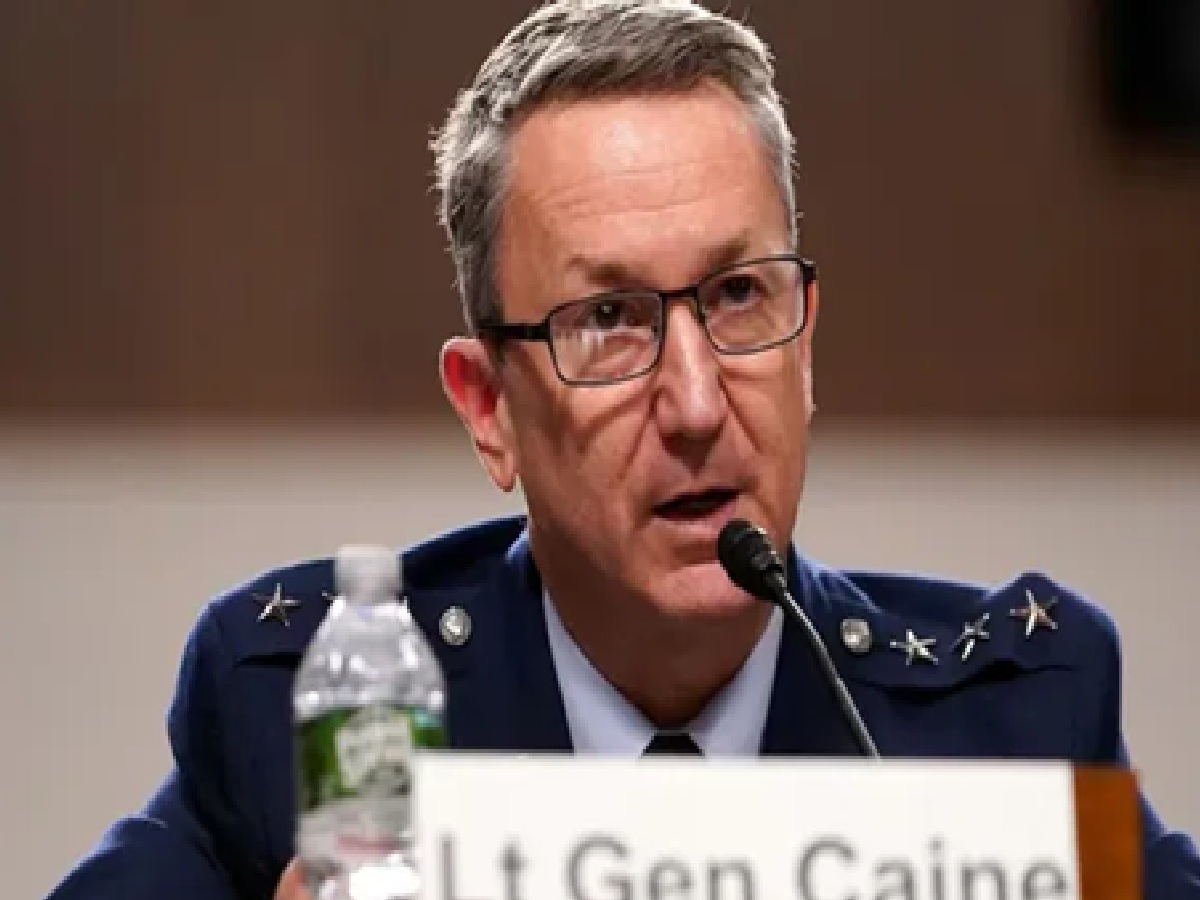
As geopolitical tensions in the Middle East continue to simmer, the United States is reportedly searching for a strategic exit path from its ongoing conflict with Iran. According to exclusive reports from CNN, Chairman of the Joint Chiefs of Staff General Dan Kane has delivered a stark assessment behind closed doors, warning senior Trump administration officials that continued military airstrikes alone will not achieve President Donald Trump’s stated objectives. While Washington seeks ways to pressure Tehran into negotiations, military leadership cautions that further escalation without a clear diplomatic roadmap could backfire and fail to secure an agreement on American terms.
High-Level Briefings and Strategic Limits of Military Force
General Dan Kane has privately raised deep concerns with key members of President Trump’s national security team, including Vice President J.D. Vance, Secretary of State Marco Rubio, and CIA Director John Ratcliffe. These high-level discussions have heavily focused on evaluating the inherent limitations and severe risks associated with ongoing military actions, particularly as the administration strictly maintains its stance against deploying U.S. ground troops into Iranian territory. General Kane has framed these warnings as a necessary effort to safeguard military assets, reflecting growing unease within defense circles regarding just how far isolated airstrikes can escalate regional hostilities without yielding decisive strategic results.
Economic Pressures, Global Energy Markets, and Regional Alliances
President Trump has previously suggested that sustained bombing campaigns could eventually compel Tehran to the negotiating table, while also expressing optimism on Thursday regarding ongoing diplomatic talks and potential stabilization around the critical Strait of Hormuz to help lower global fuel prices. However, insiders familiar with the internal debates note that top generals remain skeptical of such an outcome. Meanwhile, neighboring nations are rapidly realigning their security postures in response to the volatility; Saudi Arabia, Türkiye, and Pakistan have recently signed a landmark defense pact stipulating that an act of aggression against one nation will be treated as an attack on all three, highlighting the sweeping geopolitical and economic ripples generated by the ongoing conflict.