Alaska, Florida and Wyoming Hold High-Stakes 2026 Primary Elections/ TezzBuzz/ WASHINGTON/ J. Mansour/ Voters in Alaska, Florida and Wyoming are choosing candidates for major Senate, House and gubernatorial contests ahead of the November elections. California is also holding a special election to complete former Rep. Eric Swalwell’s term, with two Democrats competing for the safely Democratic seat. The races include Alaska’s pivotal Senate contest, Florida’s first open governor’s election in eight years and an unprecedented concentration of open seats in Wyoming.

Quick Look
- Alaska, Florida and Wyoming are holding primaries Tuesday.
- California is choosing a successor to former Rep. Eric Swalwell.
- Swalwell resigned amid sexual assault allegations.
- California’s 14th District will remain Democratic.
- Florida voters are selecting candidates for governor and U.S. Senate.
- Gov. Ron DeSantis cannot seek another term.
- Rep. Byron Donalds is competing on the Republican side.
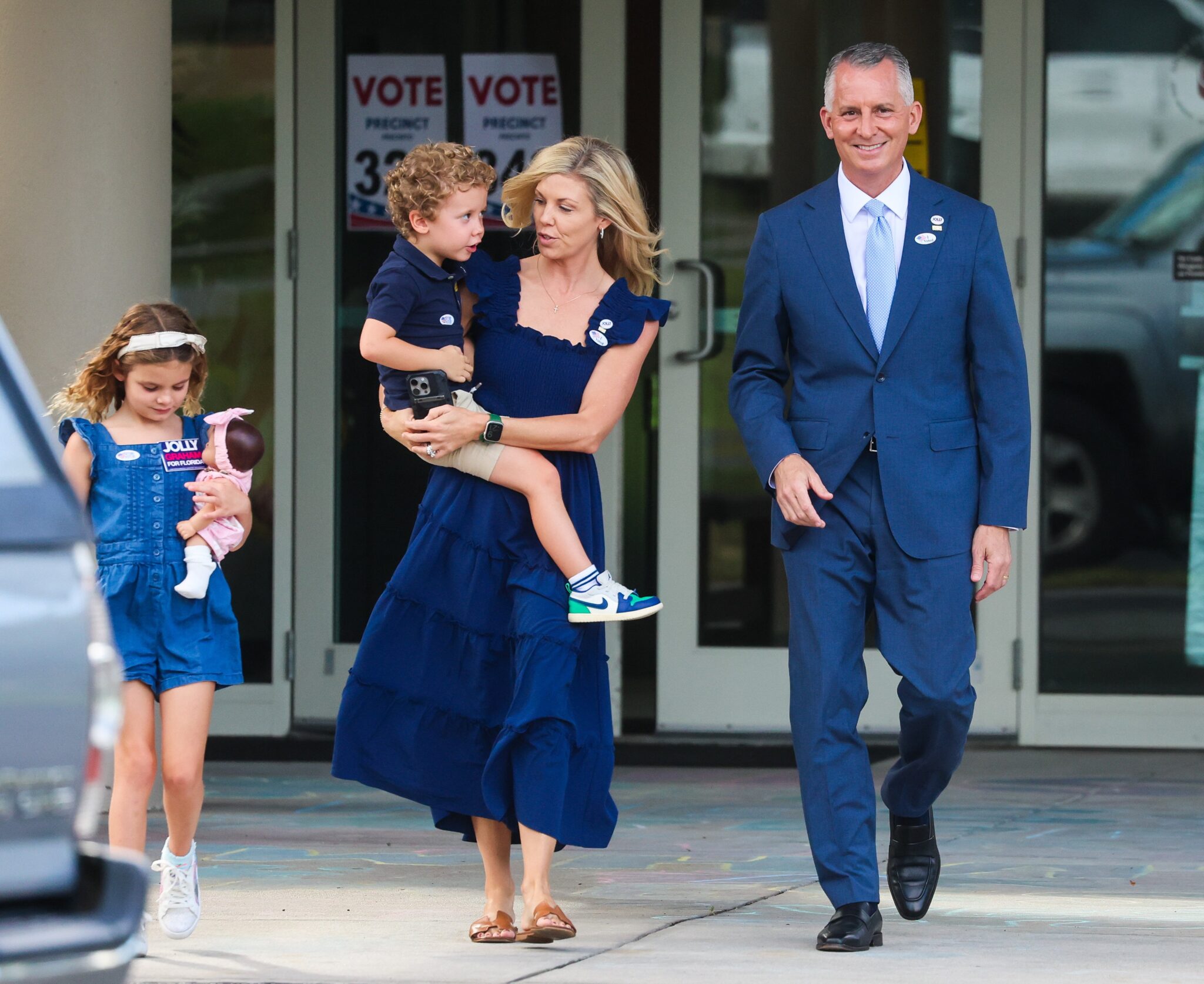
- Former Republican Rep. David Jolly is running as a Democrat.
- Alaska’s Senate race could help determine control of the chamber.
- Its. Dan Sullivan and former Rep. Mary Peltola leads the Alaska field.
- Alaska advances its top four primary candidates regardless of party.
- Wyoming has simultaneous open races for governor, Senate and House.
- Rep. Harriet Hageman is favored in Wyoming’s Republican Senate primary.
- Independent Bill Hill is challenging Rep. Nick Begich in Alaska.
- California’s special election features Aisha Wahab and Melissa Hernandez.
- Alaska voters will decide in November whether to retain ranked choice voting.


Deep Look
Three states hold major primaries
Voters in Alaska, Florida and Wyoming went to the polls Tuesday to choose candidates for key races involving governor, U.S. Senate and the House.
California also held a special general election to select a representative who will complete the remainder of former Rep. Eric Swalwell’s term.
The contests will help shape the November midterms, when control of Congress and several governor’s offices will be decided.
Senate races in Alaska and Florida could be especially important to the balance of power in Washington.
California chooses Swalwell successor
Swalwell resigned from Congress earlier this year amid sexual assault allegations.
His departure created a vacancy in California’s 14th Congressional District.
The district is strongly Democratic, ensuring that the seat will remain under the party’s control regardless of Tuesday’s outcome.
The election is therefore focused less on partisan control than on the ideological direction of the district’s representation.
Progressive faces moderate in California
California state Sen. Aisha Wahab is competing against San Francisco Bay Area transit official Melissa Hernandez.
Wahab is a progressive who has focused extensively on housing policy.
Hernandez is a moderate who made public safety and tougher crime policies central themes of her campaign.
The contest reflects a broader Democratic debate between the party’s progressive and centrist factions.
Crime and immigration divide candidates
Hernandez, who has raised more campaign money, accused Wahab of being too lenient on crime.
Wahab rejected that characterization.
She won the June primary decisively and argues that she is better prepared to challenge the Trump administration’s immigration enforcement campaign.
The special election will determine who serves the remainder of Swalwell’s term.
Florida selects candidates for governor
Florida is holding an open gubernatorial contest because Republican Gov. Ron DeSantis is term-limited.
Rep. Byron Donalds is among the leading Republican candidates seeking to replace him.
Former Rep. David Jolly is a leading Democratic candidate.
The governor’s race comes as Democrats struggle to regain relevance in a state that has shifted increasingly toward Republicans.
Senate candidates seek Rubio’s former seat
Florida voters are also choosing nominees to complete the remainder of Secretary of State Marco Rubio’s U.S. Senate term.
The contest gives Democrats another opportunity to regain statewide representation.
However, the party has not won a presidential election, Senate race or governor’s contest in Florida since 2012.
Republicans have consolidated their position in the state during the intervening years.
Jolly represents Democratic gamble
Jolly previously served in Congress as a Republican and became a prominent critic of President Donald Trump.
He joined the Democratic Party in 2025 after changing his positions on abortion and the Affordable Care Act.
Democrats are expected to nominate a former Republican for governor for the second consecutive election.
A similar strategy failed four years earlier when former Republican Gov. Charlie Crist won the Democratic nomination but lost decisively to DeSantis.
Alaska Senate race could decide majority
Alaska voters are narrowing a field of 16 candidates competing for a pivotal U.S. Senate seat.
Republican incumbent Dan Sullivan and Democratic former Rep. Mary Peltola are the most prominent candidates.
The outcome in November could help determine which party controls the Senate next year.
Alaska uses an all-party primary in which every candidate appears on the same ballot.
The top four finishers advance regardless of political affiliation.
Ranked choice determines Alaska winner
Voters cast a ballot for one candidate during the primary.
In November, they can rank the four finalists in order of preference.
If no candidate initially receives a majority, votes from lower-performing contenders are redistributed according to those rankings until a winner emerges.
Alaska voters approved the system in 2020, and the state first used it in 2022.
Supporters say it encourages candidates to appeal to a broader and more moderate electorate.
Alaska voting system faces repeal effort
Opponents have repeatedly attempted to eliminate Alaska’s open-primary and ranked choice system.
A repeal proposal will appear on the November ballot.
The state’s leading contests for Senate, House and governor each feature more than a dozen candidates.
By contrast, few state legislative primaries have more than four contenders.
Independent challenges Begich for House
Independent commercial fisherman Bill Hill is challenging Republican Rep. Nick Begich for Alaska’s only House seat.
Hill is a former educator who lives in a southwest Alaska fishing community of approximately 425 residents.
Goods reach the remote community primarily by aircraft or barge.
His campaign emphasizes affordability and reducing the influence of wealthy donors and special interests in politics.
Democrat drops out and supports Hill
Pastor Matt Schultz, previously the best-known Democrat in the House race, suspended his campaign in July.
He encouraged supporters to vote for Hill.
No other challengers in the crowded field have reported raising campaign funds.
Begich has received Trump’s endorsement, giving the incumbent a significant advantage in Republican support and national attention.
Wyoming features three open federal and state seats
Wyoming voters face an unusual number of major open contests.
Gov. Mark Gordon and Sen. Cynthia Lummis announced their retirements.
Rep. Harriet Hageman decided to leave the House race and seek Lummis’ Senate seat.
Their decisions created simultaneous open elections for governor, Senate and Wyoming’s sole House district for the first time in 32 years.
Hageman dominates Republican Senate field
Five Republicans are competing for the nomination to replace Lummis.
Hageman enters the race with a substantial advantage in fundraising and name recognition after serving two House terms.
She had more than $900,000 available through July.
That was eight times the cash held by rancher and business owner Sam Mead, the next-best-funded Republican.
Rivals trail in campaign resources
Former oil-field services company owner Jimmy Skovgard reported approximately $3,200.
The Federal Election Commission listed no online campaign finance records for two other Republican candidates: massage therapist Jill Edwards and Air Force veteran and attorney John Holtz.
Former state legislator Jim Byrd, one of two Democratic candidates, reported roughly $350 in available campaign cash.
The large financial disparities reinforce Hageman’s position as the Republican favorite.
More on US News