When the glacier collapsed on August 26, the death toll kept climbing. Over 500 people were dead, nearly 2,000 missing, entire communities just gone.
That’s the reality of what happened along the Nepal border, and honestly, the scale of it broke through the usual disaster news cycle because there’s no way to spin those numbers into something manageable.
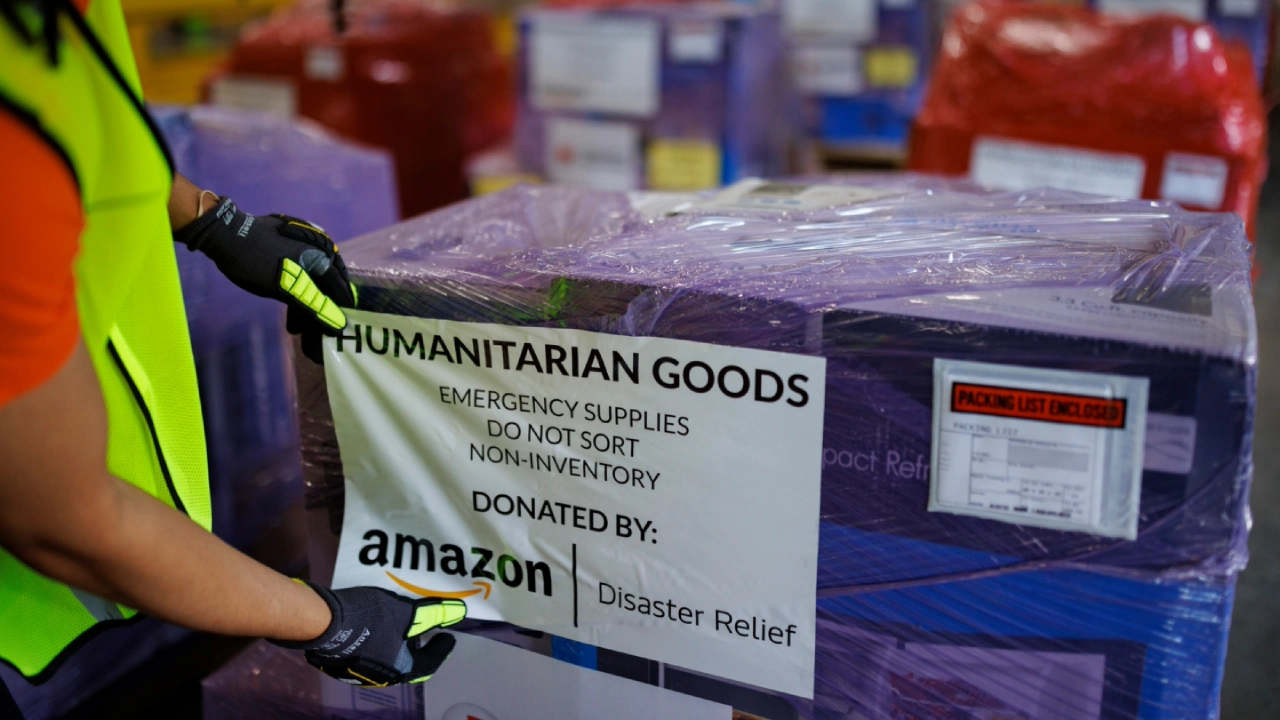
Amazon jumped in because they have the infrastructure sitting around already. Amazon Nepal flood relief matters a lot when you’re talking about emergency response.
Amazon Nepal flood relief: What They’re Actually Doing
Cash and supplies.
Amazon pushed money directly to the International Organization for Migration and the World Food Programme.
They’re not trickling this through some bloated intermediary; they’re moving capital to organizations that already know how to operate in disaster zones. Alongside that are the physical goods: tents, thermal blankets, solar lights. The stuff people actually need when infrastructure is in shambles.
Here’s where the logistics angle gets interesting:
| Intervention Type | Immediate Benefit | Real-World Impact |
| Direct cash donations | Bypasses slow government funding channels | Agencies can buy what communities need right now |
| Pre-positioned inventory | Supplies already stocked in regional hubs | Thermal blankets deployed within hours, not weeks |
| Local partner networks (DonateKart) | Coordination across India for secondary flooding | Relief supplies positioned before downstream floods hit |
| 24/7 monitoring operations | Real-time alerts and damage assessment | Amazon adjusts response based on current conditions |
The 24/7 operation matters because these events don’t follow business hours. When satellite data flagged that debris was choking river valleys and could trigger secondary flooding into northern India, Amazon’s team was already coordinating with DonateKart.
Why This Actually Works
Amazon has three Disaster Relief hubs stationed in India.
Tarps, toiletries, water filtration systems—just sitting there, waiting for exactly this moment. Since 2017, they’ve moved 30 million supplies across more than 200 disasters. They know the supply chains in these regions. They know which roads become impassable, which airports stay operational, where to stage equipment so it doesn’t become a bottleneck.
Abe Diaz, who heads up Amazon’s Disaster Relief operation, put it bluntly: “The scale of destruction is immense, and we want to help in every way we can.”
That is a lot of corporate speak, sure, but the point underneath isn’t wrong. They’re coordinating with agencies on the groundnot from Seattle, and that is a real operational difference.
The Uncomfortable Parts Nobody Wants to Talk About
Here’s where it gets messy.
When private companies start handling disaster relief, governments can get comfortable with under-investing in long-term infrastructure. Why build better flood walls if Amazon shows up with blankets every time something breaks? That’s not cynicism, but that’s how incentive structures work.
There’s also the PR dimension. Yes, Amazon is helping, and that’s genuinely true. However, it also reframes Amazon’s brand while they’re simultaneously shipping products at speeds that stress environmental systems. Nobody connects those dots in the press release.
Key tensions to consider:
- Local markets can get disrupted if corporate supply chains don’t coordinate perfectly with what communities actually need to buy
- Heavy reliance on private capital for basic survival, with water, shelter, and medicine, erodes public pressure for governments to invest in resilience
- Every disaster becomes a chance for these systems to prove themselves more efficient than public agencies, which then justifies more privatization
What About the Longer Picture?
Sixty million people live in the Indo-Gangetic plains downstream from Nepal. If secondary flooding hits like experts are warning, this becomes a regional crisis. Amazon’s pre-positioning of supplies in India assumes that the network will hold up. However, there are mudslide zones, washed-out roads, unpredictable terrain—this is where global supply chains actually struggle. Algorithms work great in warehouses. Mountain valleys in monsoon season is a different problem altogether.
The real question isn’t whether Amazon should be doing this. The real question is whether we’ve accepted a model where climate disasters automatically get managed by whichever corporation has the most hubs, the fastest logistics, and the deepest pockets. Is that resilience, or is that just outsourcing survival?
For now, people in Nepal need those thermal blankets and clean water, and Amazon delivered it. However, someone should be asking why the public sector wasn’t the first responder, and why a private company got to mobilize infrastructure that governments should have built years ago.