We may receive a commission on purchases made from links.
Anker has risen to become one of the most popular consumer electronics brands in the world, and has been the number one mobile charging brand for six years, according to sales data compiled by Euromonitor International. Anker had humble beginnings in 2011 as an Amazon Native Brand selling replacement laptop batteries on the platform. Anker built its business on the Amazon Marketplace selling its products directly to consumers, before expanding into other retail channels, such as brick-and-mortar stores like Costco, Walmart, and Best Buy.
Anker went public with an IPO in 2020 and landed on the Shenzhen Stock Exchange, and has since entered the Hong Kong Stock Exchange as well. The company has been valued at over $10 billion, with a 2025 revenue of $4.2 billion –- an eye-watering figure for a company focused on mobile power delivery and accessories. These numbers reflect just how popular Anker chargers are, and it also doesn’t hurt that Anker makes Amazon’s most popular Bluetooth speaker.
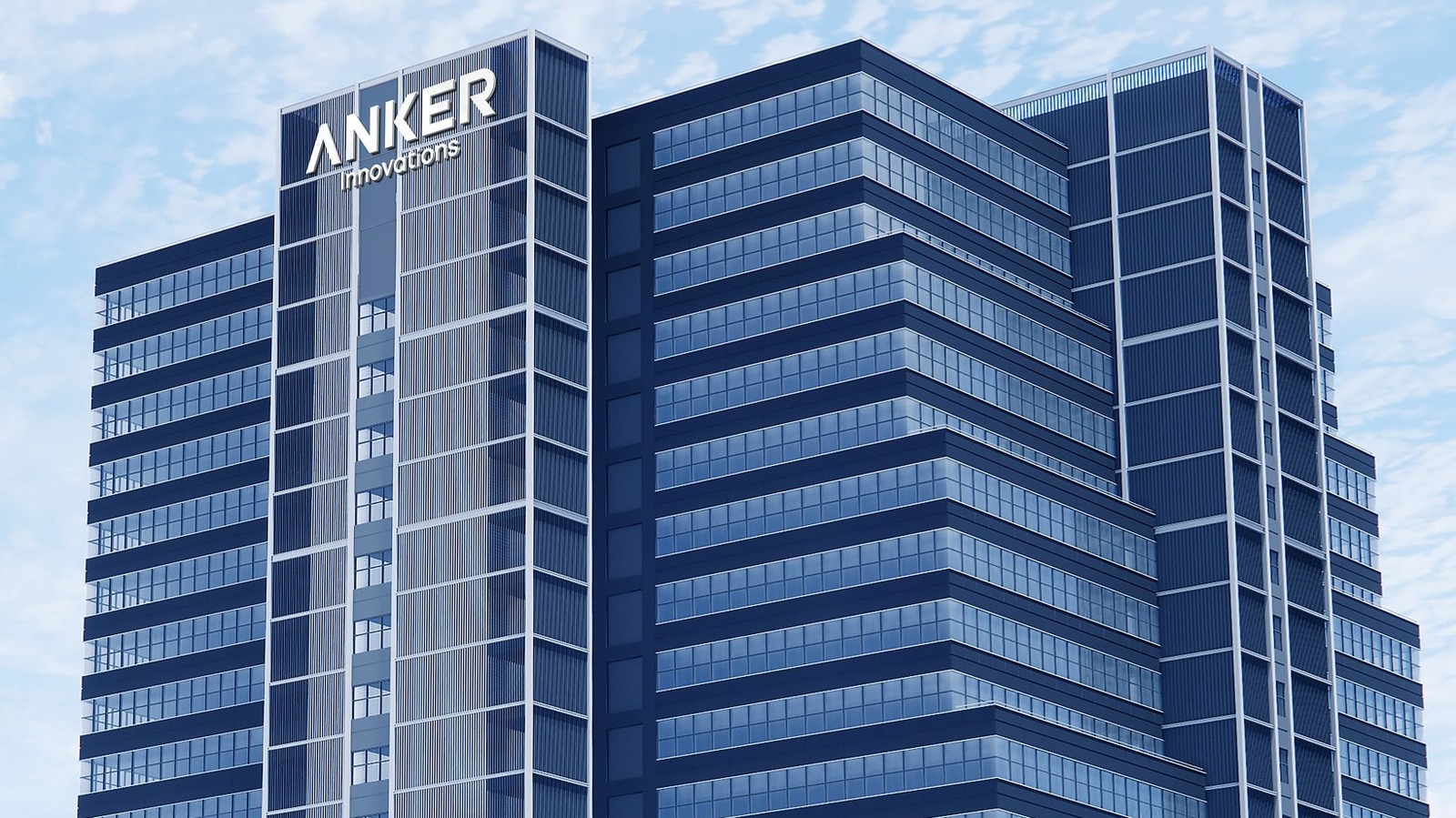
Anker has moved beyond the charging and power delivery categories, with a portfolio that also includes the SoundCore, Eufy, and Nebula brands, covering the audio, video, and smart home products. Although Anker has a huge presence in the North American market, it’s not an American company. Anker was founded in Shenzhen, Guangdong, China, and is now headquartered in Changsha, Hunan, China. Founder and Chairman Steven Yang is the largest shareholder, holding roughly 43.27% of the company’s shares, while Anker Innovations President Dongping Zhao is the second-largest shareholder with 10.86%.
Anker is headquartered in China, but has offices all over the world
Anker was founded in 2011 by ex-Google engineer Steven Yang. While the company is headquartered in China, it operates offices globally. Its U.S. office is based in Seattle, Washington, and its Canada office is located in Vancouver, British Columbia. Anker also has offices in Europe, the Middle East, and other parts of Asia. Anker’s biggest market is the United States, making it one of several popular brands in America that are based in China. According to market research by ECDB, 48% of Anker’s 2025 revenue came from the U.S.
Anker’s widely distributed footprint allows the company to operate in over 140 countries and regions, and serves over 200 million customers. The company has also spread its products out over several different categories and brands, although roughly half of its sales still come from charging and energy storage products, like its Gallium Nitride (GaN) chargers and portable power banks. As Anker moves into multiple device categories, home backup power has emerged as one of its fastest growing segments. The company has aggressively moved into retail chains like Lowe’s and Best Buy with its Solix brand of backup power products.
Anker’s PowerIQ technology was a significant point of growth for the company, and Anker was among the first to adopt GaN components into its chargers in 2018. While Anker has shifted sales away from Amazon and into other channels like its own store, Amazon still accounts for a large portion of its sales. According to MarketPulse, Anker still had $1.03 billion in sales on Amazon for 2021.
Is Anker an ethical company?
From a consumer standpoint, it’s hard to quantify or evaluate how well Anker (or any other company) practices its proclaimed values. Anker does have an anti-corruption policy that states the company believes in ethical and fair business practices and is in compliance with numerous anti-corruption laws. Anker also publishes annual sustainability reports in the form of its Environmental, Social, and Governance (ESG) Report. These reports disclose what Anker is doing to reach its socioeconomic and environmental goals.
Anker isn’t without controversy: the company’s Eufy subsidiary became embroiled in public backlash when it was discovered that its security cameras were storing data and video footage on Eufy servers. This was despite the fact that Eufy had stated that all data was stored locally. The data was also still accessible after it was supposed to have been deleted. This resulted in legal actions against Anker, as well as the company scrubbing many of its previous privacy claims from the Eufy website. It also lost a notable partnership with Linus Tech Tips, and How-To Geek stopped recommending its products. Anker has also been accused of tariff evasion and trade violations, with U.S. lawmaker John Moolenaar urging the Department of Commerce to investigate the company in 2025.
Despite this, Anker’s products are still well-received. Amazon customers almost unanimously love the Anker Nano chargers. Some of its other products have hundreds –- or even thousands –- of 5-star reviews, like the Anker 200W Six-Port Prime Charger or the SoundCore 2 Bluetooth Speaker.