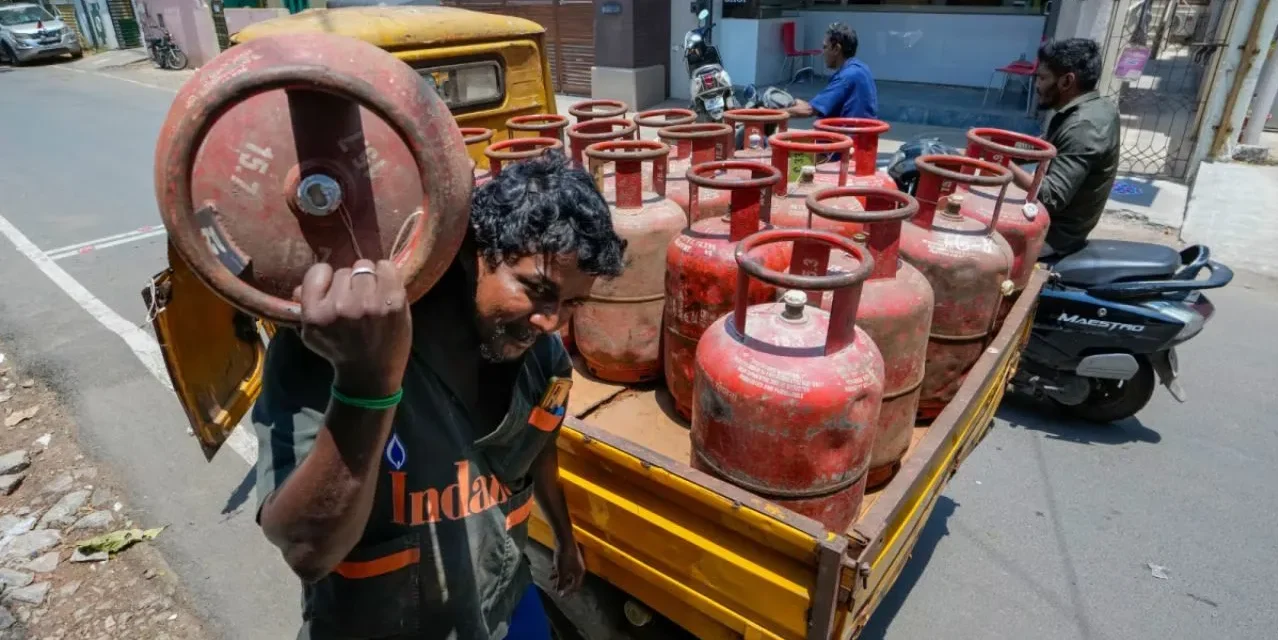
Tax on LPG cylinder claim: Amidst the ever-rising inflation of the past few months, news has come that could increase the difficulties of the people. In fact, now the government is planning to levy tax on every LPG cylinder. The money collected from this tax will be used for fuel storage scheme. This tax will be collected from the users of cooking gas LPG and natural gas. According to the report of news agency Reuters, the central government is planning to raise $42 billion. However, nothing has been said by the government on this matter yet.
According to reports, an additional tax will be imposed on LPG and natural gas (PNG-CNG), raising $42 billion (approximately Rs 3.99 lakh crore). The government is currently considering this proposal. This news comes at a time when the fuel crisis in India has deepened due to the ongoing conflict in the Middle East.
Tax will have to be paid on LPG gas
If the government approves this proposal, it will be the first time India’s strategic storage program will expand beyond crude oil to include LPG and LNG, or cooking gas. This means the central government now wants to allow India to store LPG and LNG, or cooking gas, in addition to crude oil, for which it could impose taxes.
How much tax on one cylinder?
According to reports, the Petroleum Ministry is considering imposing a tax of ₹1.29 per kilogram on LPG, which would increase the price of a domestic cooking gas cylinder by approximately ₹18. Based on current consumption levels, this tax is expected to generate approximately $460 million annually. Similarly, for natural gas, the ministry has proposed a fee of ₹1.43 per standard cubic meter, which could generate approximately $1 billion annually. Combining these two taxes could generate approximately $1.5 billion annually for gas storage infrastructure. However, it is not yet clear how the government will collect these taxes.
Why is tax needed?
The proposed strategic reserves program is expected to cost approximately $42 billion over the next decade. According to reports, more than half of the funding will be spent on building storage infrastructure, while the remaining funds will be used to build reserves. Currently, the central government has not officially stated anything about this plan. However, media reports have generated widespread discussion about it.